First they called it punk rock — now it's new wave and it's bursting the pop world apart Jan Iles reports
Riot rockers
Frenzied fans threw their inhibitions out of the exits last week at a big punk rock concert in London. Jan Iles was in the audience and this is her report...
By comparison, riotous teeny-bopper concerts are about as wild as Donald Duck cartoons. This was an X-certificate riot. By the end of the four-hour show, more than 200 seats were wrecked.
Punks with red, orange, jet black and peroxide-coloured hair, and wearing assorted leather, chains, razor blades and plastic macs, jumped up and down like human jack-in-the-boxes to the furious high speed music that cut through the senses like a knife.
A spiky-haired girl with cat-woman eye make-up trod on my corn while the punk next door accidentally socked me in the eye with his dancing elbow. The fans were pulling, pushing, tugging and colliding. The bouncers had difficulty restraining them.
The cluster of record company people looked flummoxed by it all — perhaps some of them wished they'd stayed at home and watched TV.
When headliners The Clash hit the stage you could have sliced the tension wide open with some punk's razor blade. Vocalist Joe Strummer spat out his songs about urban decay, unemployment and high flats. No mamby pamby boy-meets-girl stuff on their agenda. The punk rock music revolution has begun. It's for the young and by the young and if you are over 25 you might find the going a little tough.
It's a money-making machine
The cynics sniggered when punk first appeared seemingly from nowhere last summer. "It is just a fad — like miniskirts and skinhead crewcuts," they said. But punk did not just survive — it thrived.
What began as youth on the dole forming bands and writing songs about unemployment, anarchy and boredom, has turned into a money-making extravaganza called the new wave movement.
The band who popularised the craze in Britain were the Sex Pistols, the first to be signed to a major record company — EMI.
Axed
Their single, 'Anarchy In The UK', reached the lower half of the chart picking up sales figures of around 40,000. EMI later axed them over the group's indecent behaviour.
Other major record companies began signing punk outfits. CBS signed The Clash for a reputed £100,000. The group's debut album entered the top 20 in its first week.
Birth
The list goes on — Polydor have The Jam; United Artists have The Stranglers; Track Records have Johnny Thunders and the Heartbreakers; and Island have Eddie and the Hot Rods. Despite the initial contempt that accompanied its birth, new wave rock has now become big business in the music industry.
The Jam
Reckon The Jam are the best new wave band around. Just listen to their debut album 'In The City', and the single of the same name. Jam are Paul Weller, 18, guitarist, vocalist and composer; Bruce Foxton, 22, bassist; and drummer Rick Buckler, 22.
Musically and visually they are pure early sixties mod. They wear mohair suits, have cropped hair and talk with cockney accents. Paul Weller, the group's unofficial chief spokesman, said: "We play seventies rock and roll. There's a lot of sixties influences, but we're not trying to revive anything. Anyway we are too young to remember the mods of '65."
He writes all the group's material and his songs are compassionate as well as tough. "I've been writing since I was 14. I get my inspiration from the environment, the papers, things I see around me. We have our philosophy but we don't preach to people. We are primarily about rock and roll. We get people dancing. We sing about love of youth, love of dancing, drinking or getting pilled-up."
The Stranglers
The most successful — The Stranglers — at least, in terms of album sales. They have just started a UK tour, taking their music and its influence to the people who want it. The Stranglers' album, 'IV Rattus Norvegicus', has already reached number four in the British charts. The album title relates in Latin to... the common rat.
In the main, The Stranglers deal with such tasty subjects as female promiscuity, the working class and dole queues. Their last single, called 'London Lady', uncovered early infiltrators within the new wave sect.
"It's all about the ladies who go to Dingwalls in London dressed up in new wave gear,"Dave Greenfield tells me.
Although the four Stranglers — Dave plus Hugh Cornwell, Jean-Jacques Burnel and Jet Black — play high speed and aggressive music, they are not aiming for violence from their fans. The Stranglers tour takes in Glasgow City Hall on June 22. They have a new album out in September and their new single is called 'Peaches' / 'Go Buddy Go'.
Dadomo, Giovanni. "The Front Line: On the Road with The Clash." SOUNDS, no. May 14, 1977, pp. 14-16
The Front Line: On the Road with The Clash
— Giovanni Dadomo's tour diary captures The Clash's explosive 1977 Scotland shows, from Aberdeen Students Union to Edinburgh Playhouse, guitar malfunctions
— Backstage tensions with Joe Strummer threatening violence over press leaks, while Mick Jones plays through a septic finger injury during Career Opportunities
— Toots Hibbert's Pressure Drop and Strummer's guitar-smashing rage during Police and Thieves
— Annette Weatherman's photos of the band's chaotic energy, including Paul Simonon playing slot machines pre-show and Topper Headon cementing his place as "a great little drummer"
— Contrasts The Slits' leopard-print comeback, Subway Sect's nervous debut, and Buzzcocks' evolution from "rough as a bear's arse"
— Captures punk's communal spirit when The Jam's bassist Bruce Foxton loans his Rickenbacker to save Simonon's failed equipment mid-set.
- Dadomo's closing manifesto: "I just wanna set fire to the bloody typewriter and dance to my favorite band" encapsulates the Clash's transcendent live power
Cain, Barry. "We ask you, do these men look like degenerates?" Record Mirror, no. July 22, 1977, pp. 6-7
We ask you, do these men look like degenerates?
— Barry Cain's incendiary interview with The Clash captures the band's defiant stance amid controversy over their cancelled Birmingham Rag Market gig, branded "degenerates" by authorities
— New tracks Complete Control, Clash City Rockers, White Man in Hammersmith Palais, and The Prisoner while dismissing political pigeonholing: "We are not the new leaders"
— Joe Strummer and Nicky Headon's three-day jail stint over a Birmingham hotel key theft, with brutal prison conditions described
— the CBS feud over the forced Remote Control single release: "They had their way — they f----d it up"
— Features scathing takes on imitator bands, The Pistols' "thick" criticisms, and The Jam's "conservative nonsense" during their joint tour
Barry Cain, Record Mirror: MARK P (SNIFFIN GLUE FANZINE) 2 July 1977
Going for A P
... Mark P of course
Going for A P ... Mark P of course
So we're in this boozer off Oxford Street, Mark P and me. The jukebox's playing 'A Star Is Born'. It's 11.30am — definitely not the right time for Cointreau. Mark's talking about his band Alternative TV and it's when he starts mentioning Frank Zappa and Can influences my mind begins to wander.
I get to thinking about blind alleys, dust-covered promises, the blank fruition of desolation row, riot-infested minds stunned into submission by mediocrity etc. In other words, this guy is depressing me. Now it ain't his fault. He seems sincere enough. It's just that he makes me realise time is running out for a number of things — juvenescence, clarity, improvisation. He obviously doesn't mean to. But when you start getting sentimental about events of only a few months back something's wrong somewhere.
I mean get a load of this: "I used to really believe the kids would change something but they never will. They're naive, they can't see the truth. Outside London especially they're mostly limited to reading the gutter press. And I don't think you can ever break that media system. International Times tried it and failed. Time Out tried it and now it's a conservative magazine. It's just no use having alternatives."
Unity
See what I mean? But wait, there's more. "Sniffin' Glue will never take over anything. The Clash can't go on forever. I mean, what a contradiction CBS demanding the release of 'Remote Control' as a single when that record is all about such manipulation. There's just no unity anymore. How can I possibly relate to kids in Bradford who put safety pins through their ears? And how can they relate to me with the Zappa and Can influences? And if that's the case there's just no scene left. And I'm happy with that. I've lost the high I used to get back in September and October. We meant something then, we knew who our audience was. People trusted us. But now I can't get enthusiastic about the scene. I like The Clash now in the same way as I've liked any band over the last 10 years. This is not the be all and end all. There will be other scenes. Like if my band don't relate to the punks I'm sorry, I apologise, but I'm never gonna change. If they're expecting Mark P to destroy, clamour for anarchy, trip up all the MPs then they're gonna be disappointed. I'm not into that at all."
Coming from a geezer who has made his name something of a legend in certain circles which, though perhaps not totally dedicated to that kind of positivism, certainly lent themselves to such sentiments is, well, incredulous. But the last few months seem to have inculcated a less vibrant attitude in the 20-year-old's cropped head.
Maybe it's his newly formed association with Miles Copeland and Nick Jones, the demon duo of Oxford Street, in their Step Forward record venture. "It was a natural progression to be involved with making records. It got to be so frustrating seeing bands I really liked and yet not being able to buy their records simply because they had no record contracts. Nick and I started talking about the possibilities of a label and it just happened."
Mark was directly responsible for signing the first, and as yet only, bands for Step Forward — The Cortinas, Chelsea, Models. "I simply wanted to put out records I liked. See, I didn't like writing about bands. That got to be a high horse level. I just didn't think I had the right to say if a band was good or bad. In fact, I've just written my last piece for Sniffin' Glue."
The Sniffin' Glue office is next door to the Step Forward office. It has no electricity so a cable is fed out of the window along a ledge and into the SG office. Neat.
And now he's taken that 'natural progression' one more step forward by forming a band. "I've had an idea for a band since last September. In fact I actually had one — The New Beatles — a kind of anti-legend, but that never got past the rehearsal stage. So now I'm in Alternative TV. I can't play guitar, so I play by a series of dots. I don't particularly want to learn how to play either. The concentration it would take to learn would spoil on-stage thought. I like things to be hard. I'm into Zappa and Can and jazz. I don't want to write songs for the people, I ain't a writer for the kids. But that doesn't mean I don't want people to be interested in us. I just want to get on stage and say something. The only way I can do anything now is through music. If 10 kids say they really liked what the band played and it helped them change the whole aspect of their attitudes then I'll be happy."
The band is Alex Fergusson lead guitar, Tyrone Thomas bass, John Towe drums (not a permanent member) and Mark guitar and vocals. To date they've played four gigs and they're already headlining. "We did this really long slow number down the Marquee last week 'Alternatives To NATO' which has me reading a speech from an anarchist magazine. And it got a great reaction. I'm convinced if you wanna change anything you've got to do it through music and music alone. I ain't a good enough writer to do it through writing."
Anarchy
His ideas of getting to the people are to say the least ambitious. "I'm not interested in singles. I want to put out an album right away. It's no use coming out with all the anarchy bit and throwing it in their faces. They'll take no notice. Woo them with music. I want to go straight into the big venues and not piss around with the pub and small club circuit. That's a complete waste of time. I wanna play the Empire Pool. I've never cared about getting a tight band. Alternative TV ain't tight and that's why it works. If I want to do an instrumental break when I feel like it I will and it's up to the others to follow me."
Maybe a slight contradiction from the opening gambit but he knows what he wants. Can't make my mind up if he'll get it though. Mark was a "how do you want it" merchant in a bank for two years before cutting out to start Sniffin' Glue. "In the summer when it was really hot you couldn't even loosen your tie. Problems with the job started mounting and I started hiding them. Two months after I left they found drawers full of problems that I had stashed away."
He lived in a Deptford council flat which though maybe not quite the pits ain't exactly above the ground either. "I never have old friends. I'm not one for the gathering of the clans. I was never involved in the gang thing. You play safe when you start relying on people around you. See, when most people leave school their brains ain't developed. They'll go and work in a factory and the most frightening thing is a geezer will go there because his mate did. He's basing his whole career on something just 'cos his mate did. So then you get to thinking that the audience you're reaching are kids satisfied with their lot. That's why you can't say anarchy to them. There's no way I'm gonna get kids to leave the bank, but I can give them music."
Johnny: "We need a spokesman for the whole scene. Johnny Rotten was but he's slagged everyone off so much he ain't anymore. And there's no way I'm a spokesman. But we do need someone."
New wave / save / fave / rave? Delete where necessary. Barry Cain
Parsons, Tony. "The Clash: Thinking Man's Yobs." NME, 2 Apr. 1977, pp. 22-23. Republished 7 October 1989, 3 pages, Photos by Adrian Boot.
The Clash: Thinking Man's Yobs
Stens Guns in Knightsbridge
— Raw, unfiltered profile of The Clash during their explosive early days, penned by Tony Parsons with photos by Chalkie Davies.
— Joe Strummer’s defiant leadership, Mick Jones’ emotional intensity, and Paul Simonon’s charm. Highlights their DIY ethos, from self-made battle fatigues to rehearsals in a rat-infested British Rail warehouse.
— Clashes with Teds, students, and authorities during the aborted Anarchy Tour, their CBS signing, studio battles, and ambition to transform Rehearsal Rehearsals into a rebel hub. Declares 1977 as their year.
Originaly published 2nd April 1977 in the NME as "Thinking Mans Yobs". Republished 7 October 1989, 3 pages, Photos by Adrian Boot.
The Clash meet Tony Parsons
Stens Guns in Knightsbridge
— Raw, unfiltered profile of The Clash during their explosive early days, penned by Tony Parsons with photos by Chalkie Davies.
— Joe Strummer’s defiant leadership, Mick Jones’ emotional intensity, and Paul Simonon’s charm. Highlights their DIY ethos, from self-made battle fatigues to rehearsals in a rat-infested British Rail warehouse.
— Clashes with Teds, students, and authorities during the aborted Anarchy Tour, their CBS signing, studio battles, and ambition to transform Rehearsal Rehearsals into a rebel hub. Declares 1977 as their year.
Newsdesk... Newsdesk... News Editor... David Brown... 01-607 6411
There's a riot on the road
New wave takes to the road in May with the first ever major tour of Britain by The Clash (left) and five other bands. Since the ill-fated 'Anarchy In The UK' tour squashed due to public reactions to the Sex Pistols TV appearance, promoters have been cautious to attempt a 'punk' package, but now a 27-date 'White Riot' tour has been fixed up using the bands The Jam, The Buzzcocks, Subway Sect, The Slits and The Prefects as support.
Five bands will appear at London's Rainbow on May 9, all tickets priced £2.20.
Dates are:Guildford Civic Hall, May 1; Chester Rascals, 2; Birmingham Barbarellas, 3; Swindon Affair, 4; Liverpool Erics, 5; Aberdeen University, 6; Edinburgh Playhouse, 7; Manchester Electric Circus, 8; London Rainbow, 9; Kidderminster Town Hall, 10; Nottingham Palais, 12; Leicester Polytechnic, 13; Plymouth Fiesta, 15; Swansea University, 16; Leeds Polytechnic, 17; Chelmsford, 18; Middlesbrough Rock Garden, 19; Newcastle University, 20; St Albans City Hall, 21; Maidenhead Skindles, 22; Stafford Top of the World, 23; Cardiff Top Rank, 24; Brighton Polytechnic, 25; Bristol Colston Hall, 26; West Runton Pavilion, 27; Canterbury Odeon, 28; Dunstable California Ballroom, 30.
A five-date warm-up tour in Europe precedes the UK dates. Nicky Headon is to play drums with The Clash, joining guitarist Mick Jones, guitarist Joe Strummer and bassist Paul Simonon.
Also undertaking a major British tour are The Vibrators, who recently switched labels from RAK to CBS. Their dates so far are: London Nashville, April 29; Southampton University, 30; London Marquee, May 1; Tolworth Toby Jug, 2; Twickenham Winning Post, 4; Croydon Red Deer, 5; Brighton Embassy, 6; Hastings Pavilion, 7; Manchester The Oaks, 10; London Royal College of Art, 13; Dudley JBs, 14; Birmingham Barbarellas, 17; Wolverhampton Lafayette, 20; Newport Roundabout, 25; London South Bank Polytechnic, 27; Darlington Incognito, June 1; Middlesbrough Rock Garden, 3; Manchester Electric Circus, 4; Barrow Maxims, 5; Edinburgh Tiffanys, 6; Liverpool Erics, 10. Further dates are to be announced.
A label up your nose
A new wave label is being set up by the organisers of the fanzine Sniffin' Glue. First signings to the Step Forward label are The Cortinas and Chelsea, who are …
Daily Mirror - Tuesday 20 December 1977 - pg10, 11
The Punks Mr Fix It
[Punks pecking order] ... The Jam were seen riding round in a Rolls- Royce, so that disposed of them. After these more famous bands comes the Irish, Brixton axis, places where it is good to have come from. At least with Brixton or - Ireland as a background there is less chance of being considered a "poseur," or fake, the worst crime in the book.
IN the pecking order of punk there is a definite hierarchy. After the Pistols come The Clash and The Stranglers, two groups who have been variously banned or not allowed to play—part of a punk pedigree.
But The Clash seem to have neglected their humble origins lately and were rumoured to have cane lied gigs in Ireland to go away to Jamaica: very " non punk."
Page 10 Daily Mirror, Tuesday, December 20, 1977
The punks' Mr Fix-it
by Gloria Stewart
Day two: the truth about Britain's most notorious bands
Partners:Malcolm McLaren and Vivienne Westwood. Picture: Bill Kennedy
For the past year every move the Sex Pistols have made seems to have caused an uproar. For the man behind Britain's top punk rock band it has been twelve months of almost non-stop controversy. Here we examine how he put them where they are now.
Without 29-year-old Malcolm McLaren there would be no Sex Pistols. It was Malcolm who found the band members and moulded them into a dynamic, abrasive unit. True, they didn't take a lot of finding — they used to hang out at his shop in London's King's Road. But it was McLaren who channelled their music into what the Blank Generation needed, a generation on the dole without much recognisable future.
"Punk means believing in yourself and your own abilities. Don't think the punk doesn't care. He cares a lot. And he'll kick like hell to get it all changed. Punk is the gross enemy of apathy. The Sex Pistols created a spark of life and energy which has now turned into a forest fire. The everyday lives of the street kids were poverty-stricken garbage — financially and spiritually. Punk action then turns into an outright frontal attack on the system."
System "Don't forget this was a generation brought up on distant pop stars who sang about sex and love from their tax havens. When they went to gigs they turned up in big limousines. Under the old system bands couldn't make out without £15,000 worth of equipment, which inevitably made gigs expensive. The punk wants to be in touch with the band, not standing miles away with yards of bouncers in between. So gigs are small and cheap. That's why the record companies have been having palpitations lately. Long-established stars are frightened. We constitute a basic challenge to the whole way the record business is organised. After the advent of the Sex Pistols some 200 bands have been inspired to try their hands, regardless of whether they play in tune or not. Without having what the street kids needed and wanted, we would have been nothing."
Having established the fundamentals, McLaren started wheeling and dealing. Business meetings on behalf of the band occupy almost every waking minute of his life. First he got a recording contract from EMI. "We couldn't believe our luck," said McLaren. "It was not to last long. Then came our confrontation with Bill Grundy on Thames TV. EMI died a thousand deaths and, finally, pulled out after two and a half months. The band and I wanted an interview with Sir John Reed, the chairman. We were in Holland at the time. The message came back: No interview. No reasons. Just tell them they can have the money. That was £50,000."EMI refute this, saying they mutually agreed to terminate the contract.
Scrap "Our next recording company was A and M. That was even shorter lived — seven days in all,"McLaren recalled. "We seem to have been fired by A and M after a fracas at the Speakeasy in Margaret Street. Sid Vicious and the Sex Pistols got into a scrap with Bob Harris from BBC's Old Grey Whistle Test."Derek Green of A and M records said: "The Sex Pistols were the quickest success I ever had. But I changed my mind. I did not want to be involved in what they did outside their music."
"This time we left with £75,000. For months I couldn't even get through the door of any record company. Finally Virgin took us in. While all this was going on we could get no gigs in Britain whatsoever. That was why we decided that, if we couldn't perform to live audiences, at least we'd get the power of the band on film. We brought in American director Russ Meyer. Warners put up £200,000 pre-production. And the UK end of Twentieth Century-Fox wrote saying they were very interested indeed. But, at the eleventh hour, Grace Kelly and Alan Ladd Jr., the major shareholders of this part of the company, decided not to proceed. The Russ Meyer script didn't really work out so we are now proceeding with Peter Walker, an English director."
On tour McLaren continues with the hard work. We'd be dining and the cry would go up: "Paris for Mr. McLaren. Los Angeles for Mr. McLaren." Off he would lope in his black leather trousers, long aquamarine coat and fifties-style creepers. Beneath the tousled mop of red hair his brain would be ticking away. Whether he was seeing to the lighting for the group or having an intense sales conversation with a Dutch record company man, he would be working like mad. TV men, photographers, the promoters, the crowd: they were all important. No one's ideas were discarded.
At home in London, as well as running the Sex Pistols, he contributes ideas to Seditionaries, the punk centre for London, a shop run by McLaren's lady, Vivienne Westwood. And meanwhile he is preparing a tour of America.
"Now I've got a purpose in life"
Disciples:Jean Mahoney and Doug Stow. Picture: Peter Stone
In the pecking order of punk there is a definite hierarchy. After the Pistols come The Clash and The Stranglers, two groups who have been variously banned or not allowed to play — part of a punk pedigree. But The Clash seem to have neglected their humble origins lately and were rumoured to have cancelled gigs in Ireland to go away to Jamaica: very "non punk."
The Jam were seen riding round in a Rolls-Royce, so that disposed of them. After these more famous bands comes the Irish–Brixton axis, places where it is good to have come from. At least with Brixton or Ireland as a background there is less chance of being considered a "poseur," or fake, the worst crime in the book.
I had a closer look at two more bands: X-Ray Spex and Radiators from Space.
Power X-Ray's lead singer, Poly Styrene, is a diminutive girl with a silver brace around her teeth. Her band has strength and power. Poly has successfully bridged the gap between black and white. She is white, but has a black father. Poly sets out almost deliberately to be the very opposite of the traditional pop star sex symbol. She wears a man's jacket, winkle-pickers and vividly unattractive bright pinks and greens. Her lyrics, like the Pistols, are full of jabs at our society — "My mind is like a plastic bag. I never knew what I wanted to do when I left school. They always used to say work hard at school and you'll get a good job. But all the jobs were the same — just boring. Then I started getting a band together. That gave me a purpose in life."
Poly is the only girl singer I have heard among punk bands whose voice is strong enough to soar above the massive noise and keep its character. Another interesting band with plenty to say about society is Radiators from Space. Their 20-year-old lead singer, Phil Chevron, who sports a silver tooth in the front of his mouth, said: "Our theme is: Re-evaluate your whole life. Don't follow leaders. Think for yourself. You must find your personal solution. In a way, society has died. It is very difficult to know what's wrong. We take an aggressive stance — it is quite the reverse of the hippie world of the sixties with Love and Peace. We are hard, tough and aggressive, because we think that is the only way to effect any change. Everyone outside punk thinks pogoing [the leaping up and down punk dance] is dangerous. People are just enjoying themselves."
With their record "TV Tube Hearts", Radiators from Space attack TV and the way it stops the younger generation from thinking for itself. That goes down well with the crowd. And perhaps explains why few punk bands choose to go on Top of the Pops, considered by punk groups to be an artificial substitute for music.
Bovver in black leather
In London's King's Road one afternoon I spoke to three punks from Erith. All were wearing silver-studded black leather jackets, trousers with zips up the back, and chains. All three said they were under constant police surveillance whenever they went out in their punk gear.
Jean Mahoney told me: "If I'm out with them (the two boys) we are always getting pulled by the police. If we're in a car it has to be searched. It's just our clothes. The other day a copper told me my dog collar with studs on was an offensive weapon."
Nineteen-year-old Jean is an office worker, but she doesn't wear her gear to work. Doug Stow, a 19-year-old printing worker, said: "I got interested in punk because it was outrageous, it shocked people. It makes you think — something I never got taught at school. The fights get started by the Teds. The National Front have got well into them and have set the Teds on to us. Don't think just because you might see a punk wearing a swastika he supports Hitler. He's probably wearing it for no reason at all. The Teds all hang out at the main line stations late at night, waiting for any punks to show up. Or they go down to our gigs just to smash the place up. The black geezers are all right. Got nuffin' against them. Punk's really good for people. After a gig you are so exhausted you just want to go straight home. Those Teds don't half slam into the punk girls sometimes. One girl got put through a plate glass window in Oxford Street. I'm interested in the words of the songs. They really get into your head."
Coventry Evening Telegraph - Tuesday 13 September 1977, PDF
Punk Rules OK / The Song of the anti-hero / Baggy to the knees
Lengthy piece about punk clothes, mentions Tiffany's ban, Rainbow riot and Lanchester non payment.
Coventry Evening Telegraph, Tuesday, September 13, 1977
Punk rules ok
The song of the anti-hero
Punk rock hits Coventry tonight when The Adverts launch the first of a series of concerts featuring the best known new wave groups at Tiffany's.
But what exactly is this outrageous phenomenon? John Palmer went to Barbarella's, a leading punk venue in Birmingham to find out.
Punk rock is depressing, negative, destructive, anti-culture and at arms with society.
The fashions are an attempt to shock, the music is an effort to assault and sometimes to insult the audience, and the mood is not of independence but of anti-social arrogance.
Punk's first rebellious discords were heard about 18 months ago in London, and, as with rock 'n' roll in the 50s and the beat boom of the 60s, it is linked to a naïve belief that the music will change the world.
But this time around there are no heroes like Bill Haley and Mick Jagger. This time there are anti-heroes, insisting that they will reject the trappings of stardom and will remain opposed to the big-business aspects of the record industry.
The groups have unattractive and often threatening names: The Clash, The Damned, The Boomtown Rats, Generation X. And the artists have adopted sarcastic pseudonyms: Rat Scabies, Johnny Rotten, Laurie Driver and Billy Idol.
The songs reflect the atmosphere of depression, with titles like Bored Teenagers, Pretty Vacant, Right to Work and Remote Control.
Originally, punk rockers began to wear clothes from the ragbag and jewellery from the dustbin as a way of expressing contempt for people who had money enough to buy more traditional attire.
At Barbarella's, the boys were wearing either mohair-style jumpers or slashed and pinned up tee-shirts, and perhaps a vandalised jacket.
Baggy to the knees
The trousers look like the bottom half of those old demob suits, baggy to the knees, narrow at the ankles and too short to hide worn-out plimsolls or plastic beach shoes.
Chains, safety pins and paper clips provide the decoration and many of the boys wear a studded dog collar or a lock and chain around the neck. Crumpled ties, the older the better, with the tight knot at half-mast on the chest, are part of the uniform.
Girls have more options when it comes to fashion because almost anything goes.
See-through tops, tight trousers, harem pants, short skirts with black tights or split skirts showing black stocking tops and suspender belts are all acceptable.
But it's not in the least erotic, and nor is it supposed to be. It's more of an attempt to abuse the body, and the hairstyles emphasise that by their quirkiness. Partings come at odd angles, and, while one side may be permed normally, the other is deliberately outrageous — there could even be a mini ponytail coming out somewhere.
Otherwise the hair is like the boys', short, twisted in spikes and possibly dyed blonde. Also like the boys, the girls may be hiding behind a cheap pair of plastic sunglasses. And black is the predominant colour worn by both sexes.
You can see that, as far as punk is concerned, bad taste is good taste.
Barbarella's guests at the weekend were Generation X, a four-piece group with a spiky-headed blond youth called Billy Idol singing.
Punks don't walk proudly, they slouch along dejectedly with their heads down. When Generation X slouched on stage, they were greeted with an enthusiastic bout of spitting, which is regarded as a sign of appreciation.
For 30 minutes or so, they strummed at high speed through about a dozen numbers, although, if they hadn't stopped after each one, a non-fan would have been hard-pressed to spot the difference.
The music sounded like the whining drone of a lawnmower struggling in the long grass, and the vocals, seemingly shouted with little regard for the rhythm, were inaudible. The volume was crushing.
Punks even dance anti-socially. They do the pogo, which is easy to pick up — you just jump up and down on the spot.
In fact, the essence of the whole punk movement is that it's easy to become a part of it, and you don't need any qualifications.
Joe Strummer of The Clash explains: "When we started, other people realised that they could do it, 'cause it wasn't anything difficult."
The Clash, who are due at Tiffany's on November 8, have had their share of bad publicity in the past year.
A concert at the Rainbow in London ended when fans ripped up the first few rows of seats. They were banned from Coventry Tiffany's a few months ago because of fears of violence. And they weren't paid for a show at Lanchester Polytechnic after an emergency meeting of the students' union during the show decided that the group were fascist.
But Strummer thinks that punk is sometimes misunderstood.
"The music and the words are aggressive, but that don't necessarily mean that it's violent. We let off steam when we play, and a lot of people let off steam when they see us — that short-circuits violence.
I don't particularly like violence. I don't want to get my face kicked in and I don't want to punch anyone. I can use my mouth better than my fists."
What significance does he see in his songs? "I just relate to things as I see them for me and my mates. The music is fast and exciting — at least I hope it is — and in the heat of the moment it just exists, and that's enough.
I've got a terrible pronunciation and we play so loud that I don't think people can hear what I'm singing anyway."
Cheaper to put on
And what has punk done for a venue like Barbarella's? Manager John Tulley enthuses: "It's the biggest thing since Bill Haley and has done more for live music than The Beatles.
We have converted two of our clubs to punk now, and there are more bands, more promoters and more venues.
The violence that there is takes place on stage, and the kids get off on that — but there again there used to be mods and rockers a few years ago."
And the punk audience is increasing all the time. "We had The Boomtown Rats at Barbarella's for two nights and they sold the place out — and who are they?
Punk rock groups are cheaper to put on, and, when they get big, they don't ask for the £3,000 or £4,000 a night that some of the heavy rock bands want."
How are Tiffany's preparing for the punk invasion? A ban on punk was lifted a month ago, and then the manager, Aubrey Marsden, said: "The only thing the company draws the line at are striptease shows."
Remembering The Clash's 'White Riot' tour with The Jam and The Buzzcocks
Joe Taysom, Fri 1 May 2020, Far Out Magazine
Remembering The Clash's 'White Riot' tour with The Jam and The Buzzcocks
Joe Strummer once directed a bizarre gangster punk-noir film starring The Clash
(Credit: John Joe Coffey)
43 years ago today, The Clash kicked off their White Riot tour in emphatic style at the Roxy in London where they were joined by The Jam and The Buzzcocks on support duties, making it one of the greatest tours in the history of British music with three iconic bands all sharing the same bill on a tour that brought punk to the provinces.
The tour was a historic moment in punk history as it took the punk movement to areas that were uncharted territory. After it kicked off on May 1st, other provincial places the trio of bands would pass through on the run of shows would include Swansea, Chester, Stafford and Swindon to name just a handful.
The White Riot tour was a landmark moment in which rebellious adolescents across Britain would realise that punk was their reckoning.
The tour marked the beginning of their time with CBS, less than a month after the release of the debut album, The Clash. It also saw the integration of new band member, Topper Headon, on the drums following Terry Grimes’ departure.
“The only band that matters,”CBS employee, Gary Lucas, once said of The Clash. This statement came shortly after the band had signed a relatively lucrative deal with the “big-time” record company and, in the eyes of many, had “sold out”. The editor of the ultimate punk fanzine, Sniffin’ Glue, reacted to the news of the time, writing: “Punk died the day The Clash signed for CBS.”
Punk didn't die at all, however, it was just getting started and The Clash were keen to make sure that it was alive and well all over Britain rather than just in London. The tour was notorious for a whole host of reasons; another one would be the in-fighting that went on between the bands which would lead to The Jam being fired from their support slot at some point during the run.
Former Clash tech Barry “Baker” Auguste spoke about the wildness that ensued on the White Riot tour to MOJO back in 2017, revealing: “We're going out on this huge tour, and we can't put the [protective] covers on the equipment because the paint isn't dry. We get to the venue and the speakers are damaged and have to be repaired, all the grilles have to be screwed back on… It was complete chaos before it even started.”
He then explained why The Jam suddenly vanished from the tour: “The Jam left because they thought they should be headlining the show,” reckons Auguste. “[Clash bassist] Paul [Simonon] was constantly taking the piss out of them. We all thought they were a mockery. Their dad [manager John Weller] would come into the dressing room and start bossing everyone around. In the end, he said they wanted more money. But Joe [Strummer] in particular felt they weren't right for the tour. Joe and Paul [Weller] later became good friends, but then there was a lot of animosity.”
Check out this footage below from when The Clash took over Brighton on the tour that would change punk forever.
Caroline Coon goes on tour with Clash, Subway Sect, Buzzcocks and the Slits.
Ari UP, 15-year-old lead singer of the Slits, is sprawled in the familiar angularity of a G-Plan armchair. She looks about as comfortable as it's possible to be in the pseudo-anodyne atmo- sphere of a bedroom in Cardiff's Post House Hotel. Temporarily, that is. She and the other three members of the band — Viv Albertine (guitar), Tessa (bass) and Palmolive (drums) — have been on the road for six days. But they've checked in: and out of half as many more hotels, ...
White Riot on the Road
Clash's Joe Strummer (right) with roadie Rat Rodent.
Caroline Coon goes on tour with Clash, Subway Sect, Buzzcocks and The Slits.
Ari Up, 15-year-old lead singer of The Slits, is sprawled in the familiar angularity of a G-Plan armchair. She looks about as comfortable as it's possible to be in the pseudo-anodyne atmosphere of a bedroom in Cardiff's Post House Hotel.
Temporarily, that is. She and the other three members of the band Viv Albertine (guitar), Tessa (bass) and Palmolive (drums) have been on the road for six days. But they've checked in and out of half as many more hotels.
The Slits deport themselves disconcertingly like lofty viragos, storming through life with the lusty abandon of stagehands at the Folies Bergère. Their earthy arrogance and striking mode of attire — an organised mess of dressed-up undress — has thrown a number of hotel proprietors the length and breadth of the UK into barely-controlled fits of apoplexy.
The day before, they were ousted from a hotel in Birmingham after a three minute warning. And at any moment the hotel room calm could be shattered by yet another "get packed, we're leaving immediately" order from Tour Headquarters.
By now the hotel evacuation procedure is merely routine. Damp T-shirts, dirty socks and tins of hair spray will be scooped back into overnight bags. There will be an amble to the lift. A sedate ride down to the lobby, probably with a dour hotel porter escort. Perishing glares will chill the marrow of those behind the reception desk, and then everyone will saunter, with studied indifference, out of the hotel and onto the tour coach.
The trusty vehicle, a kind of hermetically-sealed refuge from the hostile world, will be waiting with its engine running to shoot off to Destination X (with any luck a more accommodating hotel) as soon as all are aboard.
All is some number. Usually the coach party is 21. Often it's more, for this is no ordinary tour. It's The Clash's first headlining, country-wide "White Riot" bash. With a hit single and a big album, The Clash could do very nicely with only one support band on the road with them.
A year ago, however, when they had just formed, one of their avowed intents was to help young bands who, like themselves, had to struggle for rehearsal space and places to play. Their manager, Bernard Rhodes, always ready with a spiel of political rhetoric, is now actually putting his idealism into practice.
With loyal tour promoter Dave "Corky" Cork, he has become the benign, if harassed, ringmaster of a mobile school for aspiring rock stars. He booked the Buzzcocks, the Subway Sect and The Slits for most of the 40-date tour. The Clash are paying, if not all, then the bulk of these bands' expenses.
The Buzzcocks, who make their own way to the gigs, are accomplished and professional musicians. Their great EP, "Spiral Scratch", released on their own label, has already sold over 7,000 copies. They have a following already.
But before the tour the Subway Sect had performed only five times, and their collective on-stage persona has stymied critics into describing them as "abstract."
The Slits performed three times before the tour and they expect people to dismiss their music as "dreadful." At the moment they could not care less. They know what they want and they are far more interested in doing it than talking about it, however severe the criticism.
That both these bands are unashamedly beginners, in every sense of the word, is one of the reasons why, on the "White Riot" tour anyway, the pioneering spirit of the new wave is alive and kicking.
On the tour, The Clash seem to relish their gaffer status. At least they get the pick of the seats on the coach. With them is their guitar roadie, Rob, and general effects person Rat Rodent. The Slits are touring with their "acting manager," ex-Roxy deejay and Rasta, Don Letts, and his friend, Leo. Sturdy Baker is roadie for the Subway Sect. Lighting man Micky Treadwell doubles as the bouncer. Micky Foote, The Clash's producer, is along as sound mixer. And just to keep things jumping, various journalists, from the Sunday Times to local fanzines, come and go as friendly ladies mount the coach at one town and take their leave at another.
It's quite a junket! The coach driver, a hefty gentleman aptly named Norman, has his routine down pat, too. He has perfected an expression of one on a journey ever closer to hell. Every morning, with a face like grim death, he swears to Corky that it's all finally too much for him. The Slits are the last straw. He can't, he protests, possibly drive the coach one more yard with them on board. They'll have to travel behind in a van. Every morning, a little extra cash exchanges hands before Norman feels calm enough to proceed.
Much to everyone's surprise, The Slits cause more consternation than The Clash, the Subway Sect and the Buzzcocks combined. It's what The Slits represent, even at their least provocative (just minding their own business) which gets up people's noses. By Cardiff, The Slits are subdued. There are no more in-transit high spirits. If driver Norman sees Ari even move in her seat (and this is no exaggeration, such is the man's ire) he promises to quit.
And since experience has shown that a mere glimpse of Ari could mean the expulsion of everyone to another hotel, her lobby appearances have been cut to the minimum. On the occasions when she has to be there, like on the way to a sound check, Don Letts has orders to keep her sitting down. Standing up, she obviously presents a challenge to the very foundations of decency and order, not to mention natural biological law. Viv, Tessa, and Palmolive look moody and capable of stitching up troublemakers if the need arises. But, in their tight trousers, shirts, ties and black leather jackets, they are often mistaken for men.
Ari is all girl, even though she flagrantly disregards anything remotely feminine. She is blatantly sexy, although such is her impact, that many straight men told me they thought she was "ugly" — a fact that pleases Ari immensely. An alternative to her outfit of Jubilee Knickers worn OVER shiny wet-look trousers is a crutch-high mini skirt which also reveals an expanse of underwear printed with rosebuds.
She teases her hair continuously, and when the omnipresent comb is not in her hand, it's tucked ever-ready in her tangled mane. She has fine teenage skin and, standing with her long bare legs coquettishly akimbo, she exudes the raunchy innocence of a futuristic mutation of Medusa and Lolita. Women mutter that she should comb her hair. If only they knew.
Commercial travellers, the usual hotel guests, halt bug-eyed in their tracks. But if she looks at men at all (other than her close circle of musician friends) it's from behind an expression of unequivocal contempt. Which is probably half the trouble.
Ari Up and The Slits are highly defined examples of an ideal type which is becoming more attractive to women all the time. What they represent is a revolutionary and basic shift of female ego from one which is biologically defined to one which is made strong by an assertive mainstream role in society.
Thus they are far more "threatening" than the male musicians they are touring with. At their most outrageous, the antics of male rock stars are merely traditional expressions of male aggression and delinquency. The Slits, however, without giving up their capacity to be warm, emotional people, are in recognition for fighting dependence and in recognition for their ideas and what they do. They are driving a coach and various guitars straight through a cornerstone of society — the concept of the family and female domesticity.
Not, I hasten to add, that The Slits themselves will have anything to do with the Feminist Question. Despite the band's name, they will only countenance a journalistic approach to them as people.
Palmolive: "We're too busy thinking about what we want to do to bother about that. If you keep talking about chauvinism, it slows you down."
Viv, a cool bombshell, continues: "Girls should hang around with people who don't give them aggro about what they want to do. If they're idiots, they're idiots. To me that's obvious. But you do tend to forget that you're in a minority when you're mixing with people, like our friends, who don't think in a negative way about us or what we do. Girls do come up to us more and more and say they think we're great — even though we are not technically very good yet. Then they start asking us what we think about men and women. We have to say that we simply don't want to know about that s—. We just don't think about it. Then we ask them to talk to us as people and steer the conversation onto music. We're not playing in a rock and roll band in a calculated way. It just comes naturally. I just don't understand why a great number more women don't do it. I find it quite confusing there aren't many more women in rock bands."
Ari Up has her own idea. "They just never try," she says. "They just leave it to others. Well, the fact..."
Cain, Barry. "A storm is coming: The Clash on punk's rise and political rebellion." Record Mirror, 9 April 1977, pp. 11
The Storm is Coming
— The Clash's breakthrough moment as White Riot jumps 60 chart places and their debut album gains momentum, violent backlash against the band, including bricks thrown through windows by those who "can't identify with what we play", Strummer's manifesto declares war on media: "They want to stamp us out...we want to persecute them off the earth", 3-week album recording contrasted with with ELP's 2-year process, mocking progressive rock excess
— Joe Strummer delivers apocalyptic visions of impending government control: "I see army conscription returning, identity cards, numbers", Mick Jones discusses the band's working-class roots and rejection of "love-song syndrome" rock, citing Phil Ochs as political inspiration
Rockers on the Road. THANKS TO ANNE FOR HER ….??…..
Punk tours are now almost legendary for only half happenings. The ‘Anarchy’ tour played only 3 or 4 dates out of 20 odd all due to massive punk paranoia while the ‘White Riot’ tour didn’t suffer quite as much, but hotels had got word that all punks were dirty.
The name Keith Moon evokes a hotel room. Everyone laughs and says “Ha ha, look at old Keith he’s a savage” but it’s a completely different thing if punks do the same. Hardly any wrecking of rooms took place on this tour. Nicky Headon did shoot an air gun in one room, but on the whole there was no more trouble than on a Gary Glitter tour.
The only people responsible for trouble were excitable hotel managers (and management men) who brought out special rules for punk bands. Richard Hell and his Voidoids were amazed by the stupidity of so-called English rules. Lucky enough the more rational people on the tour calmed things down.
The Clash themselves were so frustrated that anything less than 4 star was a hole. Just about everywhere where the...
For various stupid reasons The Voidoids didn’t suffer quite so much and as a result on most dates were in different hotels, which bugged both parties.
The tour itself was great, even better than the ‘White Riot’ one. When The Clash are on stage they are unstoppable; they leave any rival bands (including The Pistols) standing. When Joe Strummer asked me what I thought the difference between this tour and the last tour was, I had to say it was more professional, not the kind of professionalism that makes Yes or ELP a bore, but in a way that makes all those cynical arseholes who say “Oh punk is gone for the mind but they can’t play their instruments” eat their words.
Not only were they more professional in their music, but also in their handling of the audience and the continual spitting, a point which was very sore with Richard Hell. A simple statement from Joe Strummer: “I don’t want you tossing your gob at me, toss it on the ceiling or the bloke next to your best, not me.” That immediately commanded respect from the audience.
In CambridgeMick Jones called the morons spitting at him “wankers” which upset them: “We only spit at you cos we like you.” Mick replied, “Anyone who spits at me is a wanker.”
The Lous, surprisingly enough, didn’t suffer as much spit as Richard Hell. Surprisingly because (a) they are French and (b) they are girls. CBS in Paris have just signed them up and put them on this tour to get them a proper taste of the English version. In France they hate us, but over here they went down just great. They have a very individual guitar sound and the tunes are the type of...
——
Nevertheless, naked truth itself can move these things, it can stir desire of the soul, yet it has no strike; it drives away sin, and that one drives away sensation. Always Epicurus holds this, in order to advance proof. For by nature expecting it in motion, it will draw small things to itself and remain steady.
Nevertheless, naked truth itself can move these things, it can stir desire of the soul, yet it has no strike; it drives away sin, and that one drives away sensation. Always Epicurus holds this, in order to advance proof. For by nature expecting it in motion, it will draw small things to itself and remain.
———
I never got fed up once, there’s no face to look at. Each time they hit the stage the crowd exploded and each time they hit the stage they blasted into “London’s Burning.” The new songs were even better than the old. “Clash City Rockers” will probably be the next single and will also become a stage fave.
“Clang, Clang Go The Jail Guitar Doors” has a very catchy chorus which is away from the football-terrace type chant associated with the band. “The Prisoner” is the band’s own dedication to the TV programme. It has a great guitar solo with the riff of the Prisoner theme.
But for me, the best number The Clash have ever written is the reggae-ish “White Man in Hammersmith Palais.”
— Kris Needs delivers a landmark profile of The Clash.
— Declares The Clash the most exciting group of the new wave, more important than Eddie & The Hot Rods or The Damned.
— First gig recalled: Tiddenfoot Leisure Centre, Leighton Buzzard, with an explosive White Riot.
— Profiles members Joe Strummer, Mick Jones, Paul Simonon, and drummer Terry Chimes; notes rehearsal base in Camden Town under manager Bernard Rhodes.
— Song inspirations: Notting Hill Riots (White Riot), vice queen Janie Jones (Janie Jones), London’s Burning on the Westway, dystopian 1977.
— History covered from London S.S. through The Heartdrops, to Joe quitting the 101ers.
— Tiddenfoot Leisure Centre (first out-of-London gig 9 October 1976); 100 Club Punk Festival (20 Sept 1976); Screen on the Green (29 Aug 1976); ICA gigs (2nd and 23rd Oct 1976); RCA (5 Nov 1976); Roxy (1 Jan 1977); Anarchy Tour with Sex Pistols, Damned, Heartbreakers (Dec 1976); Harlesden Colosseum (11 Mar 1977).
— On the “Anarchy” tour: cancelled dates after the Sex Pistols–Bill Grundy scandal, leaving the band frustrated but politically hardened.
— Focus on the Harlesden Colosseum gig (March 1977): The Slits debut, Subway Sect revival, new-look Buzzcocks, capped by a ferocious Clash set.
— Recording insights: sessions with Guy Stevens, later replaced by Micky Foote. Songs include White Riot, 1977, Garage Land, and radical reggae cover Police & Thieves. — Notes the CBS contract, six-figure deal, and accusations of “selling out,” countered by insistence on artistic control. — Concludes that the debut LP will be “the most exciting album in years” and an all-time classic.
Silverton, Peter. Greatness from Garageland. Trouser Press, February 1978.
Greatness from Garageland
Text only. Scans wanted ****
– Reflection on The Clash at the height of their early fame, Peter Silverton charts the band’s rise from raw punk contenders to Britain’s greatest rock ‘n’ roll hope. Combining personal anecdotes, critical analysis, and cultural commentary, Silverton explores The Clash’s music, politics, image, and lasting significance within the punk movement and beyond.
– The Rainbow (9 May 1977), Silverton’s open declaration of admiration, placing The Clash in a lineage alongside Chuck Berry and The Rolling Stones.
– Profiles of the band members, their backgrounds, personalities, and roles within The Clash’s dynamic, debunking the myth of their formation and recounting the gritty reality behind the band’s origins.
– Clash vs. The Pistolsand key early gigs, critical reactions, and how The Clash forged a distinct identity separate from the Sex Pistols.
Greatness from Garageland
Peter Silverton, Trouser Press, February 1978
UNANNOUNCED, TO SAY the least, a kid in boots, suspenders and short-cropped hair clambers through the photographers' pit and up onto the stage of London's Rainbow Theatre. Benignly ignored by band, stage crew and security alike, he wanders around the stage a little drunkenly, uncertain quite what to do now that he's made it up onto the hallowed, sacrosanct boards and is not making quite the impression he thought. Decision flickers across his face, lit by the giant spots, and he grabs hold of the sing-er's mike and prepares to join in on the harmonies. When the singer wants his mike back, the kid's frozen to the stand in fear-drenched exhilaration so the singer has to shout the lines over the kid's shoulder while the kid pumps in the response lines on perfect cue.
The encore over, the band leaves the stage and the kid's stuck there in front of two and a half thousand people and unsure what to do next. With the merest jerk of his head the bass player motions the kid to join the band backstage and everyone goes home happy.
Sounds like some fantasy of what rock 'n' roll should be about or at least a case of a cunning audience plant, doesn't it? It wasn't. It was The Clash. And it happened just that way at the first of their three nights at the Rainbow in December.
That's the thing about The Clash; they can break rules you hadn't realised existed till they trashed 'em. That's why, in a year, without any kind of Springsteen-like hype – except from zealot journalists like myself – they've gone from empty college and club halls to three nights at a major London venue. Like the Pistols, they're so special that they've created not only their own style but also their own rule structure. Only the most carping would say that The Clash are like anybody or anything else.
Because of events like the one just described, The Clash command an awesome respect, even adulatory deification from their fans. Some of them really do seem to expect The Clash to slip 'em the meaning of life in a three-minute rock 'n' roll song. Mind you, full-grown rock writers have been known to make the same mistake. And to think, all that achieved with only two national tours of Britain and but one album and three singles (in total 17 songs, 19 tracks) in general circulation.
And I still don't think The Clash realise themselves what kind of position they're in. It's as if they're (very understandably) scared of facing up to the fact of that worship and its implications.
Here's another little scene which might help explain what I'm getting at. A few days before I sat down to tap this through my crappy little Smith-Corona portable I found myself at a gig, competing with Clash meistersinger Joe Strummer for the bartender's attention. (Incidentally, I won.)
Having known Strummer for almost two years, I wasn't too surprised when, after exchanging the usual pleasantries, he turned on me a little drunkenly and demanded to know who my favourite English band was. More than a little embarrassed, I told him:
“Your lot.”
Nah, come on, he replied, “Tell me who you really think's the best.”
“The Clash,” my voice getting louder. “Honest!”
Joe didn't believe. “I bet you'll tell the Hot Rods the same thing tomorrow.”
So, here in cold type, let's set the matter straight with an open letter.
Dear Joe, The Clash are not only the best band in Britain. They're the best band in the world. (I think that for a magnitude of reasons I'll explain in good time.) For me, you're the latest in a straight three-act lineage: Chuck Berry, The Stones, The Clash. No one else comes near. The Beatles may have written better songs but... The Pistols may have been a bigger force of change but... Fercrissakes, if I didn't believe all this stuff, you don't think you'd catch me spieling out all these cascades of yeeugh-making praise, do you now? There's a whole lot more becoming things for an adult to do, you know.
Yours, Pete
P.S. But I still don't believe that you're the saint, let alone godhead that some of your more impressionable fans crack you up to be. I know you're just as big a head-case as the rest of us.
Good. That out of the way, I can move on to telling you good and patient – you must be if you've got this far – readers just how and why The Clash have come to occupy such a prominent place in my – and a lot of other people's – affections.
The Clash at core are three people. Mick Jones on lead guitar, vocals and Keef lookalikes. He was in the London S.S., about whom the myths outweigh the facts at least tenfold. Paul Simonon plays bass, smiles a lot, lopes around like a grossly underfed gorilla on a vitamin B-and-methedrine cure for malnutrition and catches the fancy of more women than the rest of the band put together – Patti Smith, for example. Joe Strummer sings in a manner that some find so unmusical as to be repulsive (you find those kind of philistines everywhere) and others reckon is compulsive and entrancing. Joe was the leading light in the “world-famed”101'ers and still plays the same tortured, demonic rhythm guitar that was the highlight of that band.
And then there's the fourth man, Nicky “Topper” Headon, the drummer. He gets left out of the central three because he's the last in a long line of skin-beaters with The Clash – Terry Chimes (a.k.a. Tory Crimes) plays on the album – and, although Nicky's occupied the stool longer and deservedly so than anyone else, he's still relatively unimportant in the overall image of the band. But who knows, a year from now, he might be as important as Ringo was to the Fabs.
How did they come together? Well, not to put too fine a point on it, the line they usually hand out to gullible journalists is a heap of shit. They claim that Paul and Mick were trotting down Portobello Road one balmy Saturday, already intent on forming their own band, when they chanced upon Joe Strummer and, knowing him from the still-in-existence-at-this-point 101'ers, asked him to be their lead singer. After a couple of days to think it over, he junked the 101'ers and threw in his lot with Mick and Paul. That's the fantasy. The reality, as usual, is both more complex and much less romantic.
To explain for the benefit of future historians of the social mores of the seventies, I must backtrack to the first time I encountered Mr. Strummer.
I'd been writing for this rag for a bit and I'd decided I wanted to do a short piece on what it was really like for a struggling band in London, supposed Mecca of rock 'n' roll. On the recommendation of a friend who'd known Joe since schooldays, I went down to a truly scummy college benefit to check out the 101'ers.
At this point (two years ago) I was just emerging from a five-year period where I was so disgusted by the rock 'n' roll scene that I spent all day in bed listening to Chuck Berry and reading Trotsky. I'd come to like quite a few of the current pub rock bands but however much I enjoyed them, I knew in my heart of hearts, there was something lacking. And, although, if pressed, I'd say it had something to do with lack of stage presence, it wasn't till I saw Joe that night that I realised just what was lacking – full-blooded desperation to become a star and communicate with your audience and the sense to realise that not only is that a far from easy task but that, if you don't find your own way of doing it, you might as well junk the idea right there and then.
The 101'ers were an immensely loveable but generally pretty ramshackle bunch who'd rip through Chuck Berry and R&B numbers with not a trace of genuflection at the altar of the greats. What they – or rather what Joe took – was theirs/his.
I became so enamoured with the 101'ers that what had started out as a short article ended up as a veritable thesis which Trouser Press has on file (and I hope they don't dig it out, even if it is the definitive work on the subject). The day I mailed the piece, the band broke up. The rest of the 101'ers dropped into the limbo of obscurity but Joe, with much flourish, hair cutting and clothes altering, hooked up with Paul and Mick.
That something of the kind had been in the offing I'd suspected since I'd been with Joe watching the Pistols (who were at this time supporting the 101'ers). As someone else put it, he saw the light and the Sex Pistols simultaneously.
Meanwhile Mick Jones, Brian James (later of The Damned) and Tony James (now in Generation X) had been sorting out their chops in a basement under the name of the London S.S. and the tutelage of future Clash manager Bernard Rhodes, a close pal of Sex Pistols manager Malcolm McLaren. The London S.S., unable to locate a suitable drummer, never actually played a gig but, according to the few who've heard them, their tapes were very impressive.
When Brian James walked off/was pushed off to form The Damned, the rest of London S.S. faced up to facts, chucked in the towel and went their separate ways.
This is when Mick joined forces with Paul – who'd never even touched a bass before ("I used to be an art designer till I discovered the Clash") – and Keith Levine, who only stayed long enough to do a few early gigs and cop a co-credit for ‘What's My Name’ on the album. He was a great guitarist but… well, just check out ‘Deny’.
Masterminded by their hustler-manager with tertiary verbal diarrhea, Bernard Rhodes, the three of them persuaded Strummer over a period of time that he was exactly the vocalist they needed. When Joe was finally convinced, the four of them moved into an enormous (but very cheap) rehearsal studio of their own and began to audition drummers. Getting the name was easy enough. After an initial flirtation with Weak Heart Drops (after a Big Youth song), they plumped for the challenge of The Clash. But getting a drummer wasn't so easy.
They searched with an unusual but understandable and probably correct attitude toward drummers. To wit, drummers can't drum because they all suffer from a Billy Cobham complex and want to play as much as an egocentric lead guitarist. Therefore, drummers have to be taught to drum. And drummers, being by and large nutters, don't take too kindly to such condescension. Also, at this time, while the rest of the band were outwardly convinced they'd be an unqualified success, under the surface they were stone scared that they couldn't live up to even their own belief in themselves. The tensions in the Clash camp (late summer '76) were running so high that just sitting around the rehearsal studio could be an exceedingly uncomfortable experience.
But, after rejecting various drummers who were more in tune with the band's commitment but couldn't really hack out the relentless trip-trap bottom line, they settled on Terry Chimes, who didn't give a flying one about the politics (in the widest sense) of The Clash but made up for it by being one of the best drummers this side of Jerry Nolan.
Anyway, that's how they'd shaped up to the point of their early gigs, so that's enough of this hagiography. That's not nearly as important as whyThe Clash are the CLASH.
Scene One: Bernie Rhodes holds Clash preview for the press in the studio, subtly paralleling Paris schmutter previews. Giovanni Dadomo of Sounds is suitably impressed and reports that The Clash are the first band to come along that look like they could really scare the Pistols.
Scene Two:
The reaction sets in. When The Clash support the Pistols at a London cinema gig, Charles Shaar Murray says that they're a garage band who ought to get back in the garage and leave the car motor running. (This prompts them to write ‘Garageland’.)
Scene Three:
The sides settled, every Clash gig becomes an event. When Patti Smith comes over, she sees The Clash at the Institute of Contemporary Arts and is so knocked out with them that she jumps up and "jams." And some kid in the audience does a mock-up of biting off someone's ear (with the aid of a tomato ketchup capsule) and the picture gets in the weekly music press. By the time they play the Royal College of Art (Arty lot, aren't they? Still, what do you expect? They all went to art college and wear some of the flashest clothes imaginable), emotions are running way too high. They play a set under the rubric "A Night Of Treason." (It was November 5th, the night that honours the burning of Guy Fawkes, the bloke who tried to blow up the Houses of Parliament.)
Some of the audience, when not lobbing fireworks around, take an extreme dislike to The Clash and start bunging bottles at the stage. The rest of the audience is split between Clash fans who already think their band can do no wrong and the uncommitted whose prevailing attitude is "Well, they are playing violent music and if you play violent, well you know what they say about what you sow..."
The band are certain how they feel about playing in a rain of bottles. Strummer lurches off stage and tries to sort out those responsible… personally.
The Clash style has been set. It’s a straight case of being ruthlessly certain about how you feel and what you want to do and making sure that no one gets in your way. Like the man said, "We ain't looking for trouble but if someone starts it, it ain't gonna be us that's gonna be on the losing side."
Remember this is back in '76 when punk was still seen overwhelmingly as being POLITICAL. More than anyone else it was The Clash that everyone held responsible for putting down a party line. Now they're all pretty much retreated from that position (except The Clash, they just smile Highway 61 smiles) and say aw, we're really only into having fun, maaan. But then, you've no idea what a relief it was to have songs about something else than falling in love with some acne-infested adolescent or what a drag it is to be slogging our guts out "on the road" and staying in all these faceless hotels (when most kids in England have never even stayed in a hotel) or pathetic dirges about let's have a little more rock 'n' roll.
I know rock 'n' roll is supposed to be about the banalities of the pubescent dream but it had pretty much got to the stage where the average rock 'n' roll song was indistinguishable from moon/June bilge. If The Clash have done nothing else, they've given a big help to kicking out all that garbage (of course, many others have been working to the same end).
Strummer certainly didn't come from any poverty-stricken background (on the other hand, he never really pretended to) but his songs were like a well-aimed boot plonked straight into the guts of an overfed and complacent music business.
And Mick Jones was no slouch either.
‘Career Opportunities’, for example:
They offered me the office They offered me the shop They said I'd better take anything they'd got Do you wanna make tea at the BBC Do you, do you really wanna be a cop Career opportunities The ones that never knock Every job they offer you's to keep you out the dock Career opportunities The ones that never knock.
Okay, so it ain't gonna cop him a poetry prize (who wants 'em?) but it displays both a savage understanding of the demands for immediacy in a rock 'n' roll song and a large helping of witty comment on what it's like to be given the choice of one shitty job or another shitty job. Of course, The Clash never thought they could really change things. They're only (only!) a rock 'n' roll band, not a political party. But, if you're gonna sing about something, you might as well sing about something that doesn't usually make it onto pop singles.
Unfortunately, while they handled it, lesser talents came along and decided that they'd have to write ‘political’ songs and, as a matter of course, mostly came up with insulting simplicities like Chelsea's ‘Right To Work’.
And then, even more important, there was the music. Even early on (and especially after Small Faces addict Glen Matlock got the boot) the Pistols were very fond of heavy metal drones. I don't think The Clash even listened to HM. Joe only cared for ‘50s rockers (especially bluesman Clarence "Gatemouth" Brown, believe it or not) and reggae. Jones was deeply into Mott, which shows in The Clash's attitude toward their fans both in their songs and their stage demeanour. And Paul Simonon was into football (listen to the chant on ‘Janie Jones’) and painting (look at the clothes, stage backdrops and all their visual presentation).
By the time they'd done the Anarchy Tour with the Pistols, The Clash were in an unrivalled second position. They began to get the kind of press eulogies and fan worship that'd turn anybody's head. How could anybody fail to react to them?
Onstage, Strummer is so obviously a natural star, forcing his body and Telecaster to ever greater heights of pain/pleasure, grabbing the mic and screaming lines like he really does care.
Mick Jones bopping around like a younger Keef (yeah, that comparison again) doing a military two-step and sending out shards of steely guitar licks.
And Paul, lumbering around looking looser and more relaxed but thumping his bass while indulging in perverse, arcane calisthenics.
And the clothes. Obviously paramilitary in origin – zips and slogans featured very heavily – but whoever heard of an army splashing paint all over their tunics?
All this combines to make sure The Clash, even at their worst, are never mere music. I am absolutely convinced that it’s not only me that feels that they’re the ‘70s answer to the Stones. If asked, Clash fans will say they love 'em so much because “They're good to dance to” or “I fancy Mick Jones” or “I just like 'em, that's all.” If that is all, why do they shout out for ‘White Riot’ all the time at gigs? It’s not one of The Clash's best songs, but it is the one that most represents where they’re coming from, what they stand for and, by extension, what particular fantasy they're enacting for their audience. If the kids just wanted to dance or screw, they could go to a disco/home to bed. They want and get more but their lack of articulacy prevents them explaining what. Where success and even the music are subordinate to the stance – they’re saying not we play rock 'n' roll but we are rock 'n' roll.
If Chuck Berry represents for me an idealised adolescence I never had, and the Stones were an adolescence that I lived through once removed because, like so many kids, I was too busy studying, The Clash are as good an excuse as any for me to live out a perfect adolescence ten years late. Hell, why else be a rock 'n' roll writer – there's more to it than freebie albums, you know.
Which is also why – just like the Stones – while The Clash will fire imaginations, they'll never become a grandiosely successful band. Some reckon they won’t make it in the States at all. I don't agree with that. Judging by the recent Rainbow shows, they’ve got enough classic big stage rock 'n' roll choreography worked out to handle any auditorium. And their newer songs, like ‘City of the Dead’ and the as-yet-unissued ‘White Man In Hammersmith Palais’ are played at a pace that even ears used to the Eagles can handle.
Also, by slowing matters down a trifle, they seem to have upped the energy level – too much speed becomes nothing but a fast train blur. They learned their lesson on the first English tour. The set started out at 45 minutes. By the end of the tour it was down to 29 minutes and that included all the album plus ‘1977’, ‘Capital Radio’ (only available on a limited edition giveaway – which is a pity because it's one of their best songs), their truly awful version of Toots and the Maytals’ sublime ‘Pressure Drop’, and ‘London's Burning’ – twice. It gave their roadies something to boast about but if you wanted to keep up with it, you had to snort at least 2 grams of amphetamine.
This drop in speed/rise in intensity is obviously partly a result of their smoking a lot more dope and listening to a lot of very spliffed-out rasta roots reggae. They realised you ain’t gotta run at full throttle to give out the necessary power.
Nonetheless, The Clash have come in for a lot of criticism. Ignoring the early jeers about unmusicality, the most hurtful has been that they’re a kind of punk Bay City Rollers, programmed to do just what their manager tells them to do. Quite simply, that’s like saying that the Stones were only Oldham’s puppets. Of course, Bernie being some kind of weird conceptual artist lams in a fair share of the ideas but, at the last resort, it’s Mick, Paul, Joe and Topper that cut the cake on stage and record.
Anyway, I reckon that carping like that is just more proof of The Clash’s importance. Nobody gets into the same kind of polarisations about, say, Slaughter and the Dogs or 999. People only get into heavy-duty arguments about bands that really matter.
Look. If you already like The Clash, you’ll like 'em even more live (if they play a good show – which admittedly, they don’t do as often as they should). If you hate The Clash, you’ll either learn the error of your ways when you realise what great little pop songs they write or continue to hate 'em. The choice is yours.
All I can say is that any band that can bring a relatively cynical scribbler like myself to gush like a besotted fan, has got to be one of the most special things to have ever happened.
"Flood Page, Mike. 'A trashy white rock 'n' roll band dealing with oppression.' Album Tracking, no. May 1977, 1977, pp. 14-15."
ALBUM TRACKING MAY 1977 - THE CLASH FEATURE
— Mike Flood Page profiles The Clash at their explosive 1977 peak, capturing punk's generational revolt against rock establishment complacency, Joe Strummer, Mick Jones, and Paul Simonon detail their confrontational ethos: "We're dealing with oppression" through raw tracks like "1977" and "White Riot", Jones declares "we're a trashy white rock band"
— Reveals chaotic recording of debut album after rejecting CBS producer who demanded proper pronunciation, eventually self-producing with Mickie Foote, Notting Hill Carnival riot inspiration for "White Riot"
— Punk's "amphetamine-fast" energy with Fleetwood Mac and Eagles' polished sound, The Clash as 'heirs' to Eddie Cochran and The Who, predicts punk's brief lifespan ("maybe just two years") while asserting its necessity to revitalize stagnant rock scene
— Visual aesthetic: army fatigues, paint-splattered shoes, and "a brick through the window" attitude
— In-depth interview with The Clash conducted in a Camden Town pub by Annette Weathehman and Vermilion Sands, exploring their style, politics, and confrontations during the turbulent summer of punk.
— Joe Strummer, Mick Jones, and Paul Simonon discuss gigs in Birmingham (described as chaotic) and Sweden (praised for its intensity).
— Rejection of labels, calling themselves “a-political,” though acknowledging songs about dole life carry layered meanings, clashes with Teddy Boys and street violence are described, with Strummer insisting survival often required fighting.
— Ripped T-shirts, spray-painted slogans, leather jackets, and Op Art designs by Bridget Riley.
— Comment on other punk groups: admiring the Sex Pistols but deriding The Damned as “Comedy Horror Rock.”
Silverton, Peter. Greatness from Garageland. Trouser Press, February 1978.
Greatness from Garageland
Text only. Scans wanted ****
– Reflection on The Clash at the height of their early fame, Peter Silverton charts the band’s rise from raw punk contenders to Britain’s greatest rock ‘n’ roll hope. Combining personal anecdotes, critical analysis, and cultural commentary, Silverton explores The Clash’s music, politics, image, and lasting significance within the punk movement and beyond.
– The Rainbow (9 May 1977), Silverton’s open declaration of admiration, placing The Clash in a lineage alongside Chuck Berry and The Rolling Stones.
– Profiles of the band members, their backgrounds, personalities, and roles within The Clash’s dynamic, debunking the myth of their formation and recounting the gritty reality behind the band’s origins.
– Clash vs. The Pistolsand key early gigs, critical reactions, and how The Clash forged a distinct identity separate from the Sex Pistols.
Greatness from Garageland
Peter Silverton, Trouser Press, February 1978
UNANNOUNCED, TO SAY the least, a kid in boots, suspenders and short-cropped hair clambers through the photographers' pit and up onto the stage of London's Rainbow Theatre. Benignly ignored by band, stage crew and security alike, he wanders around the stage a little drunkenly, uncertain quite what to do now that he's made it up onto the hallowed, sacrosanct boards and is not making quite the impression he thought. Decision flickers across his face, lit by the giant spots, and he grabs hold of the sing-er's mike and prepares to join in on the harmonies. When the singer wants his mike back, the kid's frozen to the stand in fear-drenched exhilaration so the singer has to shout the lines over the kid's shoulder while the kid pumps in the response lines on perfect cue.
The encore over, the band leaves the stage and the kid's stuck there in front of two and a half thousand people and unsure what to do next. With the merest jerk of his head the bass player motions the kid to join the band backstage and everyone goes home happy.
Sounds like some fantasy of what rock 'n' roll should be about or at least a case of a cunning audience plant, doesn't it? It wasn't. It was The Clash. And it happened just that way at the first of their three nights at the Rainbow in December.
That's the thing about The Clash; they can break rules you hadn't realised existed till they trashed 'em. That's why, in a year, without any kind of Springsteen-like hype – except from zealot journalists like myself – they've gone from empty college and club halls to three nights at a major London venue. Like the Pistols, they're so special that they've created not only their own style but also their own rule structure. Only the most carping would say that The Clash are like anybody or anything else.
Because of events like the one just described, The Clash command an awesome respect, even adulatory deification from their fans. Some of them really do seem to expect The Clash to slip 'em the meaning of life in a three-minute rock 'n' roll song. Mind you, full-grown rock writers have been known to make the same mistake. And to think, all that achieved with only two national tours of Britain and but one album and three singles (in total 17 songs, 19 tracks) in general circulation.
And I still don't think The Clash realise themselves what kind of position they're in. It's as if they're (very understandably) scared of facing up to the fact of that worship and its implications.
Here's another little scene which might help explain what I'm getting at. A few days before I sat down to tap this through my crappy little Smith-Corona portable I found myself at a gig, competing with Clash meistersinger Joe Strummer for the bartender's attention. (Incidentally, I won.)
Having known Strummer for almost two years, I wasn't too surprised when, after exchanging the usual pleasantries, he turned on me a little drunkenly and demanded to know who my favourite English band was. More than a little embarrassed, I told him:
“Your lot.”
Nah, come on, he replied, “Tell me who you really think's the best.”
“The Clash,” my voice getting louder. “Honest!”
Joe didn't believe. “I bet you'll tell the Hot Rods the same thing tomorrow.”
So, here in cold type, let's set the matter straight with an open letter.
Dear Joe, The Clash are not only the best band in Britain. They're the best band in the world. (I think that for a magnitude of reasons I'll explain in good time.) For me, you're the latest in a straight three-act lineage: Chuck Berry, The Stones, The Clash. No one else comes near. The Beatles may have written better songs but... The Pistols may have been a bigger force of change but... Fercrissakes, if I didn't believe all this stuff, you don't think you'd catch me spieling out all these cascades of yeeugh-making praise, do you now? There's a whole lot more becoming things for an adult to do, you know.
Yours, Pete
P.S. But I still don't believe that you're the saint, let alone godhead that some of your more impressionable fans crack you up to be. I know you're just as big a head-case as the rest of us.
Good. That out of the way, I can move on to telling you good and patient – you must be if you've got this far – readers just how and why The Clash have come to occupy such a prominent place in my – and a lot of other people's – affections.
The Clash at core are three people. Mick Jones on lead guitar, vocals and Keef lookalikes. He was in the London S.S., about whom the myths outweigh the facts at least tenfold. Paul Simonon plays bass, smiles a lot, lopes around like a grossly underfed gorilla on a vitamin B-and-methedrine cure for malnutrition and catches the fancy of more women than the rest of the band put together – Patti Smith, for example. Joe Strummer sings in a manner that some find so unmusical as to be repulsive (you find those kind of philistines everywhere) and others reckon is compulsive and entrancing. Joe was the leading light in the “world-famed”101'ers and still plays the same tortured, demonic rhythm guitar that was the highlight of that band.
And then there's the fourth man, Nicky “Topper” Headon, the drummer. He gets left out of the central three because he's the last in a long line of skin-beaters with The Clash – Terry Chimes (a.k.a. Tory Crimes) plays on the album – and, although Nicky's occupied the stool longer and deservedly so than anyone else, he's still relatively unimportant in the overall image of the band. But who knows, a year from now, he might be as important as Ringo was to the Fabs.
How did they come together? Well, not to put too fine a point on it, the line they usually hand out to gullible journalists is a heap of shit. They claim that Paul and Mick were trotting down Portobello Road one balmy Saturday, already intent on forming their own band, when they chanced upon Joe Strummer and, knowing him from the still-in-existence-at-this-point 101'ers, asked him to be their lead singer. After a couple of days to think it over, he junked the 101'ers and threw in his lot with Mick and Paul. That's the fantasy. The reality, as usual, is both more complex and much less romantic.
To explain for the benefit of future historians of the social mores of the seventies, I must backtrack to the first time I encountered Mr. Strummer.
I'd been writing for this rag for a bit and I'd decided I wanted to do a short piece on what it was really like for a struggling band in London, supposed Mecca of rock 'n' roll. On the recommendation of a friend who'd known Joe since schooldays, I went down to a truly scummy college benefit to check out the 101'ers.
At this point (two years ago) I was just emerging from a five-year period where I was so disgusted by the rock 'n' roll scene that I spent all day in bed listening to Chuck Berry and reading Trotsky. I'd come to like quite a few of the current pub rock bands but however much I enjoyed them, I knew in my heart of hearts, there was something lacking. And, although, if pressed, I'd say it had something to do with lack of stage presence, it wasn't till I saw Joe that night that I realised just what was lacking – full-blooded desperation to become a star and communicate with your audience and the sense to realise that not only is that a far from easy task but that, if you don't find your own way of doing it, you might as well junk the idea right there and then.
The 101'ers were an immensely loveable but generally pretty ramshackle bunch who'd rip through Chuck Berry and R&B numbers with not a trace of genuflection at the altar of the greats. What they – or rather what Joe took – was theirs/his.
I became so enamoured with the 101'ers that what had started out as a short article ended up as a veritable thesis which Trouser Press has on file (and I hope they don't dig it out, even if it is the definitive work on the subject). The day I mailed the piece, the band broke up. The rest of the 101'ers dropped into the limbo of obscurity but Joe, with much flourish, hair cutting and clothes altering, hooked up with Paul and Mick.
That something of the kind had been in the offing I'd suspected since I'd been with Joe watching the Pistols (who were at this time supporting the 101'ers). As someone else put it, he saw the light and the Sex Pistols simultaneously.
Meanwhile Mick Jones, Brian James (later of The Damned) and Tony James (now in Generation X) had been sorting out their chops in a basement under the name of the London S.S. and the tutelage of future Clash manager Bernard Rhodes, a close pal of Sex Pistols manager Malcolm McLaren. The London S.S., unable to locate a suitable drummer, never actually played a gig but, according to the few who've heard them, their tapes were very impressive.
When Brian James walked off/was pushed off to form The Damned, the rest of London S.S. faced up to facts, chucked in the towel and went their separate ways.
This is when Mick joined forces with Paul – who'd never even touched a bass before ("I used to be an art designer till I discovered the Clash") – and Keith Levine, who only stayed long enough to do a few early gigs and cop a co-credit for ‘What's My Name’ on the album. He was a great guitarist but… well, just check out ‘Deny’.
Masterminded by their hustler-manager with tertiary verbal diarrhea, Bernard Rhodes, the three of them persuaded Strummer over a period of time that he was exactly the vocalist they needed. When Joe was finally convinced, the four of them moved into an enormous (but very cheap) rehearsal studio of their own and began to audition drummers. Getting the name was easy enough. After an initial flirtation with Weak Heart Drops (after a Big Youth song), they plumped for the challenge of The Clash. But getting a drummer wasn't so easy.
They searched with an unusual but understandable and probably correct attitude toward drummers. To wit, drummers can't drum because they all suffer from a Billy Cobham complex and want to play as much as an egocentric lead guitarist. Therefore, drummers have to be taught to drum. And drummers, being by and large nutters, don't take too kindly to such condescension. Also, at this time, while the rest of the band were outwardly convinced they'd be an unqualified success, under the surface they were stone scared that they couldn't live up to even their own belief in themselves. The tensions in the Clash camp (late summer '76) were running so high that just sitting around the rehearsal studio could be an exceedingly uncomfortable experience.
But, after rejecting various drummers who were more in tune with the band's commitment but couldn't really hack out the relentless trip-trap bottom line, they settled on Terry Chimes, who didn't give a flying one about the politics (in the widest sense) of The Clash but made up for it by being one of the best drummers this side of Jerry Nolan.
Anyway, that's how they'd shaped up to the point of their early gigs, so that's enough of this hagiography. That's not nearly as important as whyThe Clash are the CLASH.
Scene One: Bernie Rhodes holds Clash preview for the press in the studio, subtly paralleling Paris schmutter previews. Giovanni Dadomo of Sounds is suitably impressed and reports that The Clash are the first band to come along that look like they could really scare the Pistols.
Scene Two:
The reaction sets in. When The Clash support the Pistols at a London cinema gig, Charles Shaar Murray says that they're a garage band who ought to get back in the garage and leave the car motor running. (This prompts them to write ‘Garageland’.)
Scene Three:
The sides settled, every Clash gig becomes an event. When Patti Smith comes over, she sees The Clash at the Institute of Contemporary Arts and is so knocked out with them that she jumps up and "jams." And some kid in the audience does a mock-up of biting off someone's ear (with the aid of a tomato ketchup capsule) and the picture gets in the weekly music press. By the time they play the Royal College of Art (Arty lot, aren't they? Still, what do you expect? They all went to art college and wear some of the flashest clothes imaginable), emotions are running way too high. They play a set under the rubric "A Night Of Treason." (It was November 5th, the night that honours the burning of Guy Fawkes, the bloke who tried to blow up the Houses of Parliament.)
Some of the audience, when not lobbing fireworks around, take an extreme dislike to The Clash and start bunging bottles at the stage. The rest of the audience is split between Clash fans who already think their band can do no wrong and the uncommitted whose prevailing attitude is "Well, they are playing violent music and if you play violent, well you know what they say about what you sow..."
The band are certain how they feel about playing in a rain of bottles. Strummer lurches off stage and tries to sort out those responsible… personally.
The Clash style has been set. It’s a straight case of being ruthlessly certain about how you feel and what you want to do and making sure that no one gets in your way. Like the man said, "We ain't looking for trouble but if someone starts it, it ain't gonna be us that's gonna be on the losing side."
Remember this is back in '76 when punk was still seen overwhelmingly as being POLITICAL. More than anyone else it was The Clash that everyone held responsible for putting down a party line. Now they're all pretty much retreated from that position (except The Clash, they just smile Highway 61 smiles) and say aw, we're really only into having fun, maaan. But then, you've no idea what a relief it was to have songs about something else than falling in love with some acne-infested adolescent or what a drag it is to be slogging our guts out "on the road" and staying in all these faceless hotels (when most kids in England have never even stayed in a hotel) or pathetic dirges about let's have a little more rock 'n' roll.
I know rock 'n' roll is supposed to be about the banalities of the pubescent dream but it had pretty much got to the stage where the average rock 'n' roll song was indistinguishable from moon/June bilge. If The Clash have done nothing else, they've given a big help to kicking out all that garbage (of course, many others have been working to the same end).
Strummer certainly didn't come from any poverty-stricken background (on the other hand, he never really pretended to) but his songs were like a well-aimed boot plonked straight into the guts of an overfed and complacent music business.
And Mick Jones was no slouch either.
‘Career Opportunities’, for example:
They offered me the office They offered me the shop They said I'd better take anything they'd got Do you wanna make tea at the BBC Do you, do you really wanna be a cop Career opportunities The ones that never knock Every job they offer you's to keep you out the dock Career opportunities The ones that never knock.
Okay, so it ain't gonna cop him a poetry prize (who wants 'em?) but it displays both a savage understanding of the demands for immediacy in a rock 'n' roll song and a large helping of witty comment on what it's like to be given the choice of one shitty job or another shitty job. Of course, The Clash never thought they could really change things. They're only (only!) a rock 'n' roll band, not a political party. But, if you're gonna sing about something, you might as well sing about something that doesn't usually make it onto pop singles.
Unfortunately, while they handled it, lesser talents came along and decided that they'd have to write ‘political’ songs and, as a matter of course, mostly came up with insulting simplicities like Chelsea's ‘Right To Work’.
And then, even more important, there was the music. Even early on (and especially after Small Faces addict Glen Matlock got the boot) the Pistols were very fond of heavy metal drones. I don't think The Clash even listened to HM. Joe only cared for ‘50s rockers (especially bluesman Clarence "Gatemouth" Brown, believe it or not) and reggae. Jones was deeply into Mott, which shows in The Clash's attitude toward their fans both in their songs and their stage demeanour. And Paul Simonon was into football (listen to the chant on ‘Janie Jones’) and painting (look at the clothes, stage backdrops and all their visual presentation).
By the time they'd done the Anarchy Tour with the Pistols, The Clash were in an unrivalled second position. They began to get the kind of press eulogies and fan worship that'd turn anybody's head. How could anybody fail to react to them?
Onstage, Strummer is so obviously a natural star, forcing his body and Telecaster to ever greater heights of pain/pleasure, grabbing the mic and screaming lines like he really does care.
Mick Jones bopping around like a younger Keef (yeah, that comparison again) doing a military two-step and sending out shards of steely guitar licks.
And Paul, lumbering around looking looser and more relaxed but thumping his bass while indulging in perverse, arcane calisthenics.
And the clothes. Obviously paramilitary in origin – zips and slogans featured very heavily – but whoever heard of an army splashing paint all over their tunics?
All this combines to make sure The Clash, even at their worst, are never mere music. I am absolutely convinced that it’s not only me that feels that they’re the ‘70s answer to the Stones. If asked, Clash fans will say they love 'em so much because “They're good to dance to” or “I fancy Mick Jones” or “I just like 'em, that's all.” If that is all, why do they shout out for ‘White Riot’ all the time at gigs? It’s not one of The Clash's best songs, but it is the one that most represents where they’re coming from, what they stand for and, by extension, what particular fantasy they're enacting for their audience. If the kids just wanted to dance or screw, they could go to a disco/home to bed. They want and get more but their lack of articulacy prevents them explaining what. Where success and even the music are subordinate to the stance – they’re saying not we play rock 'n' roll but we are rock 'n' roll.
If Chuck Berry represents for me an idealised adolescence I never had, and the Stones were an adolescence that I lived through once removed because, like so many kids, I was too busy studying, The Clash are as good an excuse as any for me to live out a perfect adolescence ten years late. Hell, why else be a rock 'n' roll writer – there's more to it than freebie albums, you know.
Which is also why – just like the Stones – while The Clash will fire imaginations, they'll never become a grandiosely successful band. Some reckon they won’t make it in the States at all. I don't agree with that. Judging by the recent Rainbow shows, they’ve got enough classic big stage rock 'n' roll choreography worked out to handle any auditorium. And their newer songs, like ‘City of the Dead’ and the as-yet-unissued ‘White Man In Hammersmith Palais’ are played at a pace that even ears used to the Eagles can handle.
Also, by slowing matters down a trifle, they seem to have upped the energy level – too much speed becomes nothing but a fast train blur. They learned their lesson on the first English tour. The set started out at 45 minutes. By the end of the tour it was down to 29 minutes and that included all the album plus ‘1977’, ‘Capital Radio’ (only available on a limited edition giveaway – which is a pity because it's one of their best songs), their truly awful version of Toots and the Maytals’ sublime ‘Pressure Drop’, and ‘London's Burning’ – twice. It gave their roadies something to boast about but if you wanted to keep up with it, you had to snort at least 2 grams of amphetamine.
This drop in speed/rise in intensity is obviously partly a result of their smoking a lot more dope and listening to a lot of very spliffed-out rasta roots reggae. They realised you ain’t gotta run at full throttle to give out the necessary power.
Nonetheless, The Clash have come in for a lot of criticism. Ignoring the early jeers about unmusicality, the most hurtful has been that they’re a kind of punk Bay City Rollers, programmed to do just what their manager tells them to do. Quite simply, that’s like saying that the Stones were only Oldham’s puppets. Of course, Bernie being some kind of weird conceptual artist lams in a fair share of the ideas but, at the last resort, it’s Mick, Paul, Joe and Topper that cut the cake on stage and record.
Anyway, I reckon that carping like that is just more proof of The Clash’s importance. Nobody gets into the same kind of polarisations about, say, Slaughter and the Dogs or 999. People only get into heavy-duty arguments about bands that really matter.
Look. If you already like The Clash, you’ll like 'em even more live (if they play a good show – which admittedly, they don’t do as often as they should). If you hate The Clash, you’ll either learn the error of your ways when you realise what great little pop songs they write or continue to hate 'em. The choice is yours.
All I can say is that any band that can bring a relatively cynical scribbler like myself to gush like a besotted fan, has got to be one of the most special things to have ever happened.
Roy Reed; Special to The New York Times, July 11, 1977, Page 2
New York Times: Punk Rock, Britain's. Latest Fad, Leaves Trail of Violence in Wake
LONDON, July 10—Punk rock, the socio‐musical phenomenon that is now spreading in the United States, seems to be in trouble in the land of its birth.
Brawls are reported weekly across Britain, sometimes between listeners and band members and sometimes between punk fans and other young people.
A predictable revulsion among older people is developing, and some people in authority are demanding a curb on the more rambunctious bands.
There are hints that some of the violence is exaggerated by publicists for record companies and bands to call attention to certain performers and thereby increase their commercial value.
‘God Save the Queen'
The best‐known of the English punk rock bands at the moment is the Sex Pistols. They are led by a 20‐year‐old man who assumes the name of Johnny Rotten —other punk rockers take names like Sid Vicious and Rat Scabies.
The Pistols recorded a song for Virgin Records called, "God Save the Queen." Not surprisingly, it expressed more contempt than admiration for the Queen. was released in time for the Silver Jubilee of Queen Elizabeth II and attracted little attention. Then BBC radio banned it from its programs and the record went to the top of the best‐seller list.
That was several weeks ago. The record has now dropped far down in the charts, but the Pistols are still the talk of London. Two of the band members, one of them Mr. Rotten, have been assaulted by street toughs with knives. The tabloid newspapers have reported the assaults prominently and Mr. Rotten, it is said, is in hiding to avoid further trouble.
The Pistols have not played a concert for several weeks because, they say, they cannot find a hall or a pub that will book them, considering their reputation for inspiring violence.
Ban on Appearances Sought
Some members of the Greater London Council, the city's main governing body, are trying to get the council to ban any further appearances here by the Pistols. The group's followers suggest that their heroes are about to become the victims of governmental oppression.
The publicity man for their record company says he supposes the Pistols will have to go abroad to live since England has become so inhospitable. Malcolm McLaren, the band's manager and one of the cleverest of the punk‐rock promoters, is reportedly ‘in Los Angeles, an important American center of rock music.
The maligned Mr. Rotten, who is said to be an intelligent young man from an Irish Catholic family, presumably will come out of hiding and return to work once his manager has found a suitable engagement.
Meanwhile, the violence here continues. The New Musical Express, a London weekly paper that follows the rock scene, reported this week that the casualty count had reached "a frightening new high" among punk‐rock bands, or new wave as they prefer to be called. It told of attacks on members of four bands in little more than a week.
Distorted Reporting Is Blamed
Some of the musicians are alarmed. Rob Geldoff, the singer for the Boom Town Rats, said after he was beaten up during a recent show in London: "It's totally against anything we're trying to say. It's so retrogressive. We don't want to be party to any facile fashion where it's hip to hit people."
A student was killed during a concert in Dublin recently. Some members of the band, the Radiators From Space, blamed it on distorted, provocative reporting of punk rock by press and television.
Punk followers sometimes wear bizarre clothing, such as ripped T‐shirts and slacks made of plastic garbage‐can liners. A few wear safety pins in their cheeks, noses and ears, as well as on their clothing. Some dye their hair bright colors. Most dress fairly unostentatiously, but the handful who do not have provided the young cult with its fashion image.
Some fashion designers are cashing in on the punk look with expensive "castoff" clothes. At a clothing shop owned by Mr. McLaren in Chelsea, a young customer browsed through the calculatedly ratty shirts and slacks the other day.1 When he thought no one was looking, he tapped a cigarette ash onto a leg of his clean trousers and smudged it with his finger.
Time of Trouble and Strife
Some see political content in punk rock. The fans, they say, are mostly unemployed working‐class youngsters looking for something to do.
"This is a time of trouble and strife in Britain," Hugh Cornwell of The Stranglers, one of the more successful groups, said recently. "That's why angry music is being produced here. People feel numbed and purposeless. That's what's behind urban music like ours."
Bernard Rhodes, the founder and now manager of a group called Clash, said, "There's no way Britain can take a turn for the better, and that's the information we're passing on, in everything we do—clothing, concert backdrops, attitudes.
"They're a million and a half people off work now. They're always going to be off work. They're kids who want to be truck drivers but they don't know how to drive. They don't just lack jobs, they lack skills. All they're fit for is rubbish jobs and they know it. They've got lot of things to give and nothing to give it to."
Associated Press The Sex Pistols, English punk rock group, during trip to Amsterdam. Front left: Johnny Rotten, Glen Matlock, Paul Cook and Steve Jones.
LE existe trois pôles essentiels qui connaissent une effervescence remarquable, la scène londonienne, la scène New Yorkaise, et. la scène ‘parisienne. Elles ont chucène leurs clubs, souvent sordäies, mais groupes et spectateurs créent l'environment a leur volonté, selon la qualité du show. ...
LA NOUVELLE VAGUE
There exist three essential poles which are experiencing remarkable effervescence: the London scene, the New York scene, and the Paris scene. Each has its clubs, often sordid, but groups and spectators create the environment at their will, according to the quality of the show.
London.The Sex Pistols are without doubt at the origin of the punk movement. Moreover, more than any other, the London scene deserves the term since its groups claim it. The Pistols are the most insolent and arrogant group there is. They are the instigators of scandals from which England seems unwilling to recover. They undermine the institutions of their country with an ease and a talent that is almost embarrassing. The characters are stars who mock the star-system. They are unassailable, invincible, escape all traditions. The recent declarations of their leader, Johnny Rotten, announcing the dissolution of the group, demand to be confirmed...
Generation X, Rich Kids, Vibrators, Buzzcocks, Siouxsie and the Banshees, XTC, Eddie and the Hot Rods, Pirates, Elvis Costello, Nick Lowe, Dave Edmunds, Boomtown Rats, whether foreign or not to the movement, have already left their mark on history.
New York.The Ramones record LPs in which each track taken separately could justify a single. Overcharged rock songs that rarely exceed two and a half minutes, simplistic melodies and lyrics even more so: fun at high speed, energy in its raw state. They have reinvented the love song in their own way.
Television stretches its compositions within which the soloists handle metallic sounds. The space is broadened, the songs are remarkably constructed, the energy always tamed, the lyricism carefully crafted. Former Television musician Richard Hell practices a raw and vital rock. The electricity is tortured, slashing at the compositions insistently. Without doubt the American singer who comes closest to the spirit of the English scene, he also claims to have been the first to wear safety pins.
She is nicknamed, rightly or wrongly, the high priestess or the great poetess of rock. Patti Smith draws inspiration from French poetry; she has a powerful and solemn voice. The mood is dark, depressing.
Talking Heads irritate at first by the outdated use of their instruments and end up seducing with the originality of their melodies, which lend themselves to all situations. Mink DeVille play traditional rock tinged with blues and rhythm’n’blues. The singer is extremely gifted, his timbre is coloured, the compositions defy time. Dictators, Blondie, Tom Petty, Jonathan Richman, are as many revelations offering rock precious and indispensable records.
…. (missing text) confirmed...
The career of The Clash is less flamboyant. The musicians do not play the personality card. Their LPs reveal careful and very dense compositions. They have, notably, found a clever link between the energy and authenticity of reggae and that of rock. The lyrics call for riot and categorically refuse the idols of the past. Lee Perry, former producer of Bob Marley, is working with them on their next record.
The musicians of The Jam draw inspiration from the eccentricity of The Who at their beginnings, a brutal rock that does not deny the influence of rhythm’n’blues. The songwriting is inspired and reveals rich melodies.
The Stranglers are perhaps the new wave group that enjoys the best commercial success after The Pistols. They try with success the game of concept albums. The mood is somewhat morbid, the lyrics without appeal. The rat is one of their heroes. The musicians are often disappointing on stage.
The Damned play a "super-powerful" rock, the goal being to provide extreme pleasure in a minimum of time. Play loud and destroy the illusions, make the electricity crackle and conduct its discharges.
The Heartbreakers come from the United States, they play rock for rock’s sake with the required spirit. The lyrics tell of the adolescent universe, the rhythms are mean and do not tolerate cuddly thoughts.
The Tom Robinson Band rediscovers the quality of the "hits" of the 1960s. Acidulated melodies, rhythms of music linked to those of the words. They advocate homosexuality, fight against all forms of fascism and want to be the defenders of minorities.
Ian Dury is the most odious character to have appeared on a stage for a long time. He is vulgar, ugly, bawdy; his music is rich and classy.
Graham Parker possesses a monumental voice. The husky and supple timbre highlights compositions full of feeling that do not refuse the influence of rhythm’n’blues. An enchanting magic.
Paris.Asphalt Jungle is the instigator of the punk movement in France. The musicians are the very example of a group capable of conveying a new energy. The imagery is carefully crafted and each month sees them progress.
Starshooter proposes a violent rock and compositions devoid of interest. The lyrics wield a biting, derisive humour, and the characters are colourful.
Trust is making its debut, and its approach is still shaky, but it has a powerful singer who has not finished making himself heard.
Metal Urbain, Stinky Toys, Lou’s, Marie et les Garçons, 1984, are the hopes of a new momentum in France. Some lack quality, but all reveal a determination in their actions which offers new horizons.
"THE CLASH (CBS)." 48 THRILLS, no. 4, May 1977, pp. 7 pages.
48 THRILLS, #4 The Clash (CBS)
— Extensive review of The Clash's self-titled debut album, entering the charts at number 12, an 'essential record' that will show up inferior punk and new wave cash-ins
— Includes a live review from the White Riot Tour stop at Guildford Civic Hall on 1st May 1977
— Includes review of NME free 7" single, Capital Radio
PDF3best, complete PDF1Omega Auctions, good resolution, misssing edges & misses a page PDF21pp, poor & incomplete PDF4 misses 2nd page of Guildford review PDF5poor, misses 2nd page of Guildford review
New Pose fanzine (issue #4)
"Shosub, Sarah. "The Clash." MoreOn fanzine, issue #3, early 1977, pp. 3 pages,
The Clash: Interview
— Sarah Shosub for MoreOn fanzine, issue no. 3, early 1977 interview Joe Strummer, Mick Jones, and Paul Simonon discussing their recent signing with CBS Records.
— The band defends the deal, with Strummer calling the label "a tool" and Jones recounting how they handed CBS a self-produced single to avoid outside interference, they quote a CBS executive's phrase "commercial limitation on radical behaviour" with sarcastic amusement.
— References a problematic gig at the Roxy Club, Covent Garden on 1 January 1977 where the sound was "really shitty."
— Discusses their ongoing search for a permanent drummer, mentioning Terry Chimes recorded four songs with them but wasn't a full member.
S.S.Won't the record deal inevitably change your attitudes in certain directions?
Mick Jones: Things do change.
Paul Simonon: Wait and see.Joe Strummer: Record companies are a tool, they make records so we go to them. The Buzzcocks doing it themselves have still formed their own tool: We've just signed to a big one, but it's still basically the same thing.
S.S.Surely it's not? CBS is a big-time organisation. Won't they make demands on you which are contrary to what you're meant to be about now?
M.J.No. The other night we went down to the studios and laid some tracks down ourselves. After two days CBS told us it was time we stopped arsing around and that we'd have to start working with a producer and all that. We handed them what we'd done and said here's the single and B-side OK?. They said O.K.
Joe Strummer: So we ain't got no problems.
M.J.: You know business men think they're gonna be boring but they're not, they're funny. I don't mean they tell us jokes, but they have a special way of saying things.
S.S.: Like what was it?
J.S.: (reading from the little yellow match box book) Write this down commercial limitation on radical behaviour that's what he said to us commercial limitation on radical behaviour.
P.S.Was that before or after he said he felt sick?
S.S.What did you mean when you said about ignorance being the most dangerous thing?
P.S.Urdur ur ur.
S.S.For all your political aspirations aren't you just indulging yourselves being rock and roll musicians?
J.S.What do you reckon I should do. Chuck a few bombs round and get put away for five years?
P.S.If you ask me throwing bombs about is a dodgy business,
J.S.It seems like years ago since we played. I feel like we haven't been playing for years. Like we've been missing for years. I feel like an old recluse.
S.S.What about the gig at the Roxy on January 1st?
J.S.It's a shame, we set up the gear really good and when the audience were all there it sounded really shitty.
S.S.What about a drummer?
M.J.: Having no drummer makes things a bit difficult. It's a tight situation imagine interviewing 200 drummers and every one of them thinking he's Billy Cobham. (Mick demonstrates how they do this)
J.S.Heavy, heavy. Then we say no, like this. (Mick demonstrates, a kinda boom-crash, boom-boom crash). Then they say gotcha and off they go again. Terry Chimes drums for us. We've been in the studio and we've done 4 songs with him.
S.S.Why isn't he actually in the group?
J.S.You ask Terry. Tell me what he says the answer to. Then you tell 'cause I'd like.
S.S.What about creativity? You've said a lot about it in interviews, aren't you a bit disappointed that the fans and some other groups that are about are not really being creative for themselves?
M.J.: It's good everyone's starting groups. There's really loads of them. People interpret it in their own way maybe lots of them choose an easy way, like a pack of safety pins.
S.S.What about actual musical standards. Don't you think that any of the groups are taking the easy way?
M.J.: Maybe that's the sound, like bit monotonous and tuneless, maybe that's the sound.
M.J.: We don't sound like that, hopefully but maybe the kids want it like that. There are a couple of strong groups, the others are on a different scale.
Gun Rubber (issue #4) YEAR: 1977 CREATED BY: Bert Vinyl, Ronnie Clocks and various contributors LOCATION: Sheffield SIZE: A4
Gun Rubber (issue #4) The Clash's first album review
Joe interviewed, bits about the new album and the 101ers
As well as having a predictable dig at the mainstream music press, the authors also slag off Jonh Ingham's London's Burning fanzine while (sort of) reviewing The Clash's first album.
Gun Rubber (issue #4) YEAR: 1977 CREATED BY: Bert Vinyl, Ronnie Clocks and various contributors LOCATION: Sheffield SIZE: A4
The Clash's first album review
ARE CLASH HEROES!
“..Make change?? Who do you think we are? Generation X! You can’t change people, only provide an atmosphere for change. That’s what we’re about.”
“..Caroline Coon is doing an article on me for Melody Maker next week. I’m quakin’ in me boots. I know she’s gonna come out with a load of rubbish.”
When they started out revolutionary, they’re marble pounds worth out and nab this scene.
Before going straight into the review of the new CLASH album here are extracts from an interview I did with Joe Strummer at the Pistols concert. It was written on the back of a cig packet so it might be a bit scrappy.
“There’s hardly ever any violence at our concerts, and when there is it’s caused by the bleedin’ students. At the R.C.A. they were throwing glasses at us.”
“...I hate the condescending attitude that people like Caroline Coon (Editor’s note: Miss bad trip 1969), and John Ingham take to the music. All this poor boy born in a tower block rubbish.”
“A lot of the fanzines go overboard saying everybody is wonderful. That’s bad. Because if people like Sham 69 had been slagged off they would be better now. Yeah, I can remember them shining on about the Right to Work. Right to Work? I don’t want it! I want the right to lay around and play in a band. All that pseudo-left-wing stuff is a load of bollocks. People ring us up asking us to play in Right to Work benefits. More jobs in factories and car works! I don’t want it!”
“I can remember when we played in Sheffield and the P.A. was live, so I said to the audience: ‘Well the P.A. is live, so if I touch the guitar and the mike at the same time I will die before your very eyes.’ And you know what? They all burst out laughing. They thought I was joking. So everything else I said that night they laughed at. The next time the 101’ers played in Sheffield people turned up thinking we were a comedy act.”
(On hearing that Virgin Records were too scared to stock Gun Rubber)
“Amazing, innit? I can remember they were coming on as the long-haired purveyors of progressive music and now each branch is protected by hundreds of bits of electronic equipment. So if you nick an LP they nip you. The thing that’s very worrying is how can you stop going exactly the same way.”
“London’s Burning is Clash rap in paper. It’s a load of wank because it says absolutely nothing and costs 40p. It really pisses me off because people see it and think we’ve got something to do with it. We haven’t, because if we had it would tell you something and cost 10p.”
THE CLASH first album — CBS Records — £2.89 (Revolution Records)
The Clash are Mick Jones (guitar/vocals), Joe Strummer (guitar/vocals), Paul Simonon (bass/vocals).
The Clash are not a hoax.
The Clash write good songs.
The Clash have just released a great new album.
If you can’t afford to buy it, borrow it from someone.
— RONNIE CLOCKS
Links
tumblr.com/stillunusual/ This was the fourth of seven issues of Gun Rubber that the authors produced in 1977, before shifting their focus to making music
punk77.co.uk The Gun Rubber was started in Sheffield in January 1977 by Paul Bower (AKA Bert Vinyl) and Adi Newton (AKA Ronnie Clocks) and ran for seven issues till the end of 1977.
Featuring: Live gig review of The Clash at the St Albans 21st May 1977 and at Chelmsford 29th May 1977 and a review of Remote Control 7" single.
…. the Rainbow concert when I suddenly realised that St Albans wasn't too far from my humble abode, so I poured some life into my antique veteran Honda 70 and trundled off to the City Hall to be met with the biggest crowd I squeezed in, and this is what happened ...
First, The Jam had — er left the tour. Instead we had that loveable quintet, The Slits. When I’d recovered my breath after seeing them, I pressed forward to have a close look and list my mind was transferred back in time to the Roundhouse last May when the wondrous Patti Smith creature rendered me speechless for a month. The Slits outlook, raw loss and basic with no pretence or being geniuses. Terrific.
And they were even better at Chelmsford when more people saw them. NO bar as a distraction.
Buzzcocks and The Sect both turned in fine performances again and gained plenty of new fans especially the Buzzcocks who don’t Eem to miss Howard Devoto at all.
The Clash surpassed their Rainbow performance at St Albans and Chelmsford. A least at these I could get right to the front of the stage. The lineup seemed a bit pissed off at St Albans though it didn’t really show on the music. Joe then leapt off the stage to lay into some hippy who’d kept shouting that he’d sold out. Chelmsford was better, but conditions were shitty. No drinks was a real crush.
There were even groups of Teds outside ad at the station. As some of you know to some cost The Clash did “Pressure Drop” at St Albans and it basically sounded amazing. But we didn’t get it at “…at Chelmsford, tho Joe made a great speech: ‘I hear they’re to bar us ’ere tonight. Well, the Tory chairman of the council is down ’ere — checking things out. Well, what I say to ’im, sir, is a great big “Fuck you!”’” “Deny” is fast becoming one of my favourites and it was great to see Joe pumping at this arm with an imaginary syringe as he shouted “Baby, I seen your arm.”
He seemed really angry and Mick was just blindly flailing as his guitar, crashing out power chords and lightening solos. He sang really well too on “Protex Blue” and even yelled out “Johnny Johnny” at the end if you missed ‘em you be sorry.
... AND IT'S ACTUALLY AVAILABLE!
The Clash
I aint gonna review a single the group didn't even want released. Who needs Remote Control, Mr. Oberstrin? I heard you say on radio one that you think the clash are "A marvellous group" as long as they're in your clutches eh?
But I will review London's burning Live
I cant think of a better way to spend the nite than srong the clash live. This is almost as good – the sound's the same, and you just know Joe's going mad, cos he misses out bits of lines while he's running round the stage and mick's solo s just listen and add your own expletives! Once you've heard this or seen the group live you know just how committed the clash are
Brixton Academy 8 March 1984
ST. PAUL, MN - MAY 15
Other 1984 photos
Sacramento Oct 22 1982
Oct 13 1982 Shea
Oct 12 1982 Shea
San Francisco, Jun 22 1982
Hamburg, Germany May 12 1981
San Francisco, Mar 02 1980
Los Angeles, April 27 1980
Notre Dame Hall Jul 06 1979
New York Sep 20 1979
Southall Jul 14 1979
San Francisco, Feb 09 1979
San FranciscoFeb 08 1979
Berkeley, Feb 02 1979
Toronto, Feb 20 1979
RAR Apr 30 1978
Roxy Oct 25 1978
Rainbow May 9 1977
Us May 28 1983
Sep 11, 2013: THE CLASH (REUNION) - Paris France 2 IMAGES
Mar 16, 1984: THE CLASH - Out of Control UK Tour - Academy Brixton London 19 IMAGES
Jul 10, 1982: THE CLASH - Casbah Club UK Tour - Brixton Fair Deal London 16 IMAGES
1982: THE CLASH - Photosession in San Francisco CA USA 2 IMAGES
Jul 25, 1981: JOE STRUMMER - At an event at the Wimpy Bar Piccadilly Circus London 33 IMAGES
Jun 16, 1980: THE CLASH - Hammersmith Palais London 13 IMAGES
Feb 17, 1980: THE CLASH - Lyceum Ballroom London 8 IMAGES
Jul 06, 1979: THE CLASH - Notre Dame Hall London 54 IMAGES
Jan 03, 1979: THE CLASH - Lyceum Ballroom London 19 IMAGES
Dec 1978: THE CLASH - Lyceum Ballroom London 34 IMAGES
Jul 24, 1978: THE CLASH - Music Machine London 48 IMAGES Aug 05, 1977: THE CLASH - Mont-de-Marsan Punk Rock Festival France 33 IMAGES
1977: THE CLASH - London 18 IMAGES
Joe Strummer And there are two Joe Strummer sites, official and unnoffical here
Clash City Collectors - excellent
Facebook Page - for Clash Collectors to share unusual & interesting items like..Vinyl. Badges, Posters, etc anything by the Clash. Search Clash City Collectors & enter search in search box. Place, venue, etc
Clash on Parole- excellent Facebook page - The only page that matters Search Clash on Parole & enter search in the search box. Place, venue, etc
Clash City Snappers Anything to do with The Clash. Photos inspired by lyrics, song titles, music, artwork, members, attitude, rhetoric,haunts,locations etc, of the greatest and coolest rock 'n' roll band ever.Tributes to Joe especially wanted. Pictures of graffitti, murals, music collections, memorabilia all welcome. No limit to postings. Don't wait to be invited, just join and upload. Search Flickr / Clash City Snappers Search Flickr / 'The Clash'
Search Flickr / 'The Clash' ticket
I saw The Clash at Bonds - excellent Facebook page - The Clash played a series of 17 concerts at Bond's Casino in New York City in May and June of 1981 in support of their album Sandinista!. Due to their wide publicity, the concerts became an important moment in the history of the Clash. Search I Saw The Clash at Bonds & enter search in red box. Place, venue, etc
Loving the Clash Facebook page - The only Clash page that is totally dedicated to the last gang in town. Search Loving The Clash & enter search in the search box. Place, venue, etc
Blackmarketclash.co.uk Facebook page - Our very own Facebook page. Search Blackmarketclash.co.uk & enter search in red box. Place, venue, etc
Search all of Twitter Search Enter as below - Twitter All of these words eg Bonds and in this exact phrase, enter 'The Clash'


/SOUNDS%201977%2005%2014.html/SOUNDS%201977%2005%2014_files%20copy/SOUNDS%201977%2005%2014-13_500h.jpg)
/SOUNDS%201977%2005%2014.html/SOUNDS%201977%2005%2014_files%20copy/SOUNDS%201977%2005%2014-14_500h.jpg)
/SOUNDS%201977%2005%2014.html/SOUNDS%201977%2005%2014_files%20copy/SOUNDS%201977%2005%2014-15_500h.jpg)
/SOUNDS%201977%2005%2014.html/SOUNDS%201977%2005%2014_files%20copy/SOUNDS%201977%2005%2014-16_500h.jpg)
/RECORD%20MIRROR%201977%2007%2022.html/RECORD%20MIRROR%201977%2007%2022_files%20copy/RECORD%20MIRROR%201977%2007%2022-3_500h.jpg)
/RECORD%20MIRROR%201977%2007%2022.html/RECORD%20MIRROR%201977%2007%2022_files%20copy/RECORD%20MIRROR%201977%2007%2022-4_500h.jpg)
/RECORD%20MIRROR%201977%2007%2022.html/RECORD%20MIRROR%201977%2007%2022_files%20copy/RECORD%20MIRROR%201977%2007%2022-5_500h.jpg)


/NME%201989%2010%2029%20Republished%20from%20NME%201977%2004%2002.html/NME%201989%2010%2029%20Republished%20from%20NME%201977%2004%2002_files%20copy/0_500h.jpg)
/NME%201989%2010%2029%20Republished%20from%20NME%201977%2004%2002.html/NME%201989%2010%2029%20Republished%20from%20NME%201977%2004%2002_files%20copy/1_500h.jpg)
/NME%201989%2010%2029%20Republished%20from%20NME%201977%2004%2002.html/NME%201989%2010%2029%20Republished%20from%20NME%201977%2004%2002_files%20copy/2_500h.jpg)
/NME%201989%2010%2029%20Republished%20from%20NME%201977%2004%2002.html/NME%201989%2010%2029%20Republished%20from%20NME%201977%2004%2002_files%20copy/3_500h.jpg)


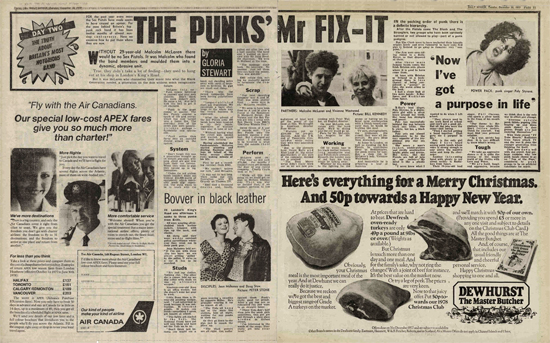

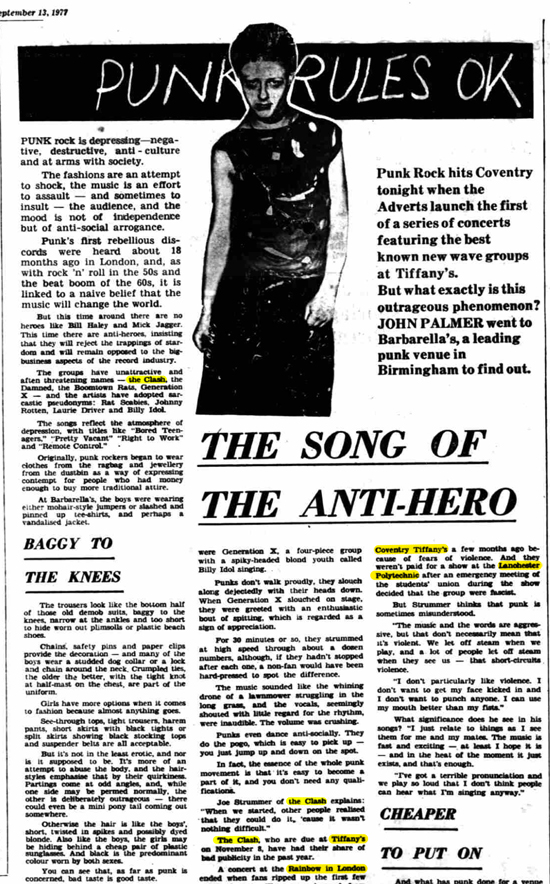


/RECORD%20MIRROR%201977%2004%2009.html/RECORD%20MIRROR%201977%2004%2009_files%20copy/RECORD%20MIRROR%201977%2004%2009-2_500h.jpg)
/RECORD%20MIRROR%201977%2004%2009.html/RECORD%20MIRROR%201977%2004%2009_files%20copy/RECORD%20MIRROR%201977%2004%2009-3_500h.jpg)
/77%2004%2009%20Record%20Mirror%20WR%20SINGLE%20A%20STORM%20IS%20COMING.jpg)


%20Best/ZIG-ZAG%201977%2004.html/ZIG-ZAG%201977%2004_files%20copy/0_500h.jpg)
%20Best/ZIG-ZAG%201977%2004.html/ZIG-ZAG%201977%2004_files%20copy/1_500h.jpg)
%20Best/ZIG-ZAG%201977%2004.html/ZIG-ZAG%201977%2004_files%20copy/2_500h.jpg)
%20Best/ZIG-ZAG%201977%2004.html/ZIG-ZAG%201977%2004_files%20copy/3_500h.jpg)


%20ALBUM%20TRCKING%20MAGGIO%201977/05%20ALBUM%20TRCKING%20MAGGIO%201977.html/05%20ALBUM%20TRCKING%20MAGGIO%201977_files%20copy/05%20ALBUM%20TRCKING%20MAGGIO%201977-1_500h.jpg)
%20ALBUM%20TRCKING%20MAGGIO%201977/05%20ALBUM%20TRCKING%20MAGGIO%201977.html/05%20ALBUM%20TRCKING%20MAGGIO%201977_files%20copy/05%20ALBUM%20TRCKING%20MAGGIO%201977-2_500h.jpg)
%20ALBUM%20TRCKING%20MAGGIO%201977/05%20ALBUM%20TRCKING%20MAGGIO%201977.html/05%20ALBUM%20TRCKING%20MAGGIO%201977_files%20copy/05%20ALBUM%20TRCKING%20MAGGIO%201977-6_500h.jpg)


%20HQ%20Complete/48%20THRILLS%201977%20No.4_files%20copy/1_500h.jpg)
%20HQ%20Complete/48%20THRILLS%201977%20No.4_files%20copy/2_500h.jpg)
%20HQ%20Complete/48%20THRILLS%201977%20No.4_files%20copy/3_500h.jpg)
%20HQ%20Complete/48%20THRILLS%201977%20No.4_files%20copy/4_500h.jpg)
%20HQ%20Complete/48%20THRILLS%201977%20No.4_files%20copy/5_500h.jpg)
%20HQ%20Complete/48%20THRILLS%201977%20No.4_files%20copy/6_500h.jpg)
%20HQ%20Complete/48%20THRILLS%201977%20No.4_files%20copy/7_500h.jpg)
%201977/21281479894_5483d4e205_o.jpg)
/1977/_Gigs/1977%2001%2001%20-%20Roxy%20Club%20Covent%20Garden%20London/1977%2000%2000%20Moreon%20Fanzine%20No3%20Early%201977%20Roxy%20CBS/1977%2000%2000%20Moreon%20Fanzine%20No3%20Early%201977%20Roxy%20CBS.html/1977%2000%2000%20Moreon%20Fanzine%20No3%20Early%201977%20Roxy%20CBS_files/1977%2000%2000%20Moreon%20Fanzine%20No3%20Early%201977%20Roxy%20CBS-1.jpg)
.html/1977%2000%2000%20Moreon%20Fanzine%20No3%20Early%201977%20Roxy%20CBS_files/1.jpg)
.html/1977%2000%2000%20Moreon%20Fanzine%20No3%20Early%201977%20Roxy%20CBS_files/2.jpg)
.html/1977%2000%2000%20Moreon%20Fanzine%20No3%20Early%201977%20Roxy%20CBS_files/0.jpg)
/(2)/1.jpg)
/(2)/2.jpg)











 The Official Clash
  Clash City Snappers

