The Clash's first gig supporting the
The Sex Pistols.
updated 16 Dec 2017 - overhaul & new links updated 24 Jan 2020 - added 3 new articles
updated July 2021 - added poster
updated August 2022 added new article
updated Sept 2022 - makeover, added a lot, added original letter to SOUNDS
updated December 2022- added promotors daughter comments and offical FB link updated Sept 2025 added comments adn FB post
If you know of any recording, please email us at
All comments, information, scans or enquiries welcome.
BBC Radio London interview, 2003
A wide ranging BBC Radio London radio interview with Paul and Mick in 2003. At 33mins they talk about the Black Swan gig.
Gary Crowley interviews Mick Jones and Paul Simon from The Clash on BBC London 94.9. They discuss the band's origins, including their first gig in Sheffield and the influence of Joe Strummer. They reflect on the recording of "London Calling" and the impact of producer Guy Stevens. The conversation covers the band's diverse musical influences, their political activism, and the challenges of touring. They also touch on the band's induction into the Rock and Roll Hall of Fame and their ongoing legacy. The discussion includes anecdotes about early performances, the band's dynamic, and their evolving sound.
Gary Crowley 3:17 --- Gary Crowley on BBC London, 94.9. I can't tell you how much I've been looking forward to this. But first of all, let me say thank you to Tom Watt for the past few hours. Sport returns tomorrow afternoon here on BBC London 94.9 between four and six, with all the news from Arsenal vs Charlton, plus the rest of the day’s sport as well. But that was The Clash. That was London Calling from 1979 and we’re saluting one of the all-time great London bands for the next two hours. And keeping me company, I'm extremely pleased to say, are Mick Jones and Paul Simonon. Welcome to both of you. How you doing?
Mick Jones Paul Simonon 3:50 --- All right, great. We're fine. Yeah, good.
We kicked off there with London Calling, one of the great sort of London songs. I just wondered if there was any sort of memories that kind of sort of spring to mind, perhaps about the writing of that, or maybe the recording as well.
Paul Simonon 4:04 --- Well, I was gonna say, I remember distinctly when we made the video, that after the video, one of our guys, Johnny Green, he chucked all our equipment in the Thames.
Gary Crowley 4:18 --- Because the video was filmed down on the Thames. Was it on a pontoon or a jet—
Mick Jones 4:22 --- Festival Pier, or Battersea Park. It was originally built in for the Festival of Britain.
Gary Crowley 4:29 --- Back in the 50s?
Mick Jones 4:30 --- Yeah, I think it was where the Queen arrived—erm, got off here, right?
Gary Crowley 4:37 --- Because that, of course, was directed—the video—by Don Letts, yeah?
Paul Simonon 4:42 --- That's it. Who actually just got a Grammy for his Westway to the World documentary.
Speaker 1 4:48 --- Really? Yeah, excellent, excellent. Well, let's talk a little bit about, you know, what's been happening. I mean, the last time that I saw you two guys was a couple of weeks ago, at the NME Brat Awards, where The Clash were honored with the Godlike Genius Award. I mean, I just sort of wondered what that kind of sort of meant—
Paul Simonon 5:06 --- I thought it was Sodlike Genius, and I was thinking, “God, well, people have had to put up with a sod like me.”
Mick Jones 5:13 --- Boblike Genius.
Gary Crowley 5:17 --- But seriously, what did that sort of mean to you? I mean, you sort of spoke about, you know, the NME, Mick, and what that sort of, you know, meant—
Mick Jones 5:23 --- Specifically picked on the writers when I was, like, really young, you know. I mean, when the writers—it was a very exciting time before punk. That was what I really was saying, you know? I mean, because when I was very young, used to, like, go on Wednesday afternoon, because we knew that it came out on Wednesday before it was officially out on Thursday. But everybody used to read it on Wednesday, yeah. It's just the way we used to, like, kind of like, take it all in, you know? It was a big moment, wasn't it? Exactly. You know, and a brochure, yeah—
Paul Simonon 5:58 --- You was very full of praise. And I thought you did it so you wouldn't get a bed with you in your life.
Mick Jones 6:03 --- You know, there's always nothing wrong with greasing away.
Gary Crowley 6:10 --- But the funny thing was, was that, you know, Mick kind of sort of name-checked a lot of these sort of favorite writers. And I think one of them was, of course, who I think you mentioned, was Charles Shaar Murray, yes? Well, go on, Paul. You pick up the story there, just for those who don't know.
Paul Simonon 6:23 --- Mick was praising them in the NME, and I just sort of—hang on a minute, what? Yeah, well, it was like, “But wasn’t it Charles Shaar Murray that said that garage band called The Clash should be returned to the garage with the engines left running?” Anyway, just to remind them that, you know, we haven’t forgotten.
Mick Jones 6:44 --- You know, there’s a lot of writers I didn’t mention, but I really feel that I should have done, in the way it’s been, like, received since, you know? I mean, I didn’t mention Tony and Julie—really important part of it as well. But I was, like, actually trying to talk about the bit before, when all the young guns came in, yeah? Because—
Gary Crowley 7:04 --- Of course, Tony did that interview that was given away with the NME Free Record—Listen EP, I think it was?
Mick Jones 7:14 --- Yeah, we all went into a photo booth at King’s Cross Station and did a line of speed, and then we went round the Circle Line, just like jabbering for life.
Paul Simonon 7:23 --- Well, I seem to recall both of you were doing the jabbering.
Mick Jones 7:29 --- I hate the both of you. That’s what I remember.
Gary Crowley 7:33 --- Well, of course, I mean, you know, a couple of weeks—in fact, a couple of days, I should say—prior to Christmas, that saw the passing of your friend and fellow band member, Joe Strummer. I mean, I can’t begin to imagine what you’ve all been going through—you know, the Clash family. How have you sort of been bearing up? I mean, has it kind of sunk in?
Paul Simonon 7:54 --- I mean, the thing is, is that, you know, emotionally, it’s like somebody really getting hold of your heart and giving it a good squeeze. It’s like—really, the reality is—we’ve just had to get on with it, you know. And that’s how life is. You just got to pick up the pieces and keep going.
Mick Jones 8:12 --- You know, it’s like—it’s a case of carrying on. And I don’t really know, I don’t think there’s words to describe probably how we’re feeling. We’re just trying to deal with it.
Gary Crowley 8:22 --- Can you tell me what influence he was on both of you as well? I know that’s a difficult question—you went through so much together—but can you sort of—
Paul Simonon 8:34 --- I’d say passion, really. You know, Joe was the sort of person who would get really passionate about an idea and would go follow that route like a million miles per hour. And then somebody would say, “Hey, but what about this?” and he’d go, “Yes, you’re right,” and then go a million miles in that direction. So I think we were fortunate, really, because as a team, we all complemented each other in various ways.
Mick Jones 9:02 --- I remember that we were in Glasgow once, and we were very particular that everybody should be able to come to our shows. We were playing a student show, and we were saying to people, “Yeah, no, it’s all right, you can come.” And then we found out that it was only for students, only in Glasgow. And then Joe, just at that point, said—got on the back of this mate’s motorbike and said, “Come on, we’re going down there, right?” And he went down there and said, “Look, if you’re not going to let everybody come in, we’re not going to do the show.”
Paul Simonon 9:34 --- Didn’t he go in as marking up that he wasn’t a student? He went in to sort of pretend he was a Peter or something. And they wouldn’t give in—
Gary Crowley 9:42 --- I remember—
Mick Jones 9:42 --- “All right, well, the show’s off then.”
Gary Crowley 9:46 --- Well, I remember—I mean, just to let the listener know—the first time that I met you guys was through Joe. I used to go to school just off Edgeware Road, to a school called Rutherford School, and, you know, fired by punk, we turned our school magazine into a fanzine.
Cut a long story short, I remember being on a school lunch break and seeing Joe leave the Metropolitan Café on Edgeware Road, which I think was a favourite port of call of his. I couldn’t believe it—chucked the chips on the floor, went running over: “We’re doing this fanzine, would love to interview you.” And he said, “Well, come down to rehearsals the following day.”
And of course, the word got round school like wildfire. It was just going to be me and a guy who was going to take the pictures, but I think about half a dozen of us turned up. And I’ll always remember Rodent, your roadie, being there when we arrived—because I don’t think you guys had arrived by that time—and what did he say? He said, “What’s this, an effing school trip?” You know, we sort of didn’t take much notice, and we hung around and we did that interview.
And then I remember Joe said—because I think you guys were playing the old Finsbury Park Rainbow for the second time then—and he got about five of us in. We were just hanging around by the stage door, and then you guys pulled up and got us all in and everything. So... but I want to talk a little bit more about that and about your relationship with your fans, because I think it was so unique. It was so, so special.
Let’s play a track though—and I think, Mick, maybe you might be able to tell us a little bit about the kind of influence that you and Joe had on each other, as far as the songwriting was concerned. Because I’m going to play “I’m So Bored with the USA”, but it didn’t start life like that, did it?
Mick Jones 11:38 --- Well, I don’t know about that, but it was a kind of generic song at that point, you know? It’s I’m So Bored with You, and Joe kind of misheard and thought it was I’m So Bored with U.S.A., and that’s great, you know? And so it was like that little bit—it wasn’t very much—it was only an “S” and an “A”, but it made all the difference.
Gary Crowley 14:21 --- BBC London 94.9, it’s a Clash special. We’re celebrating the release of this new best-of, The Essential Clash, which is released Monday week. And Mick Jones and Paul Simonon from the band are my very special guests.
From the band’s debut album from all those years ago in 1977, that was “I’m So Bored with the USA.” Before we talk about the recording of that album as well, just for people perhaps who are listening to this who don’t know the story—can you remind us how this all sort of started? I mean, you two knew each other before you knew Joe, didn’t you?
Paul Simonon 14:52 --- That’s right. Well, the story is that Mick was at this art college in Hammersmith, and I was at an art college in—not Neal Gate, and we sort of met by mistake, really. Because this friend of mine was a drummer, and he said, “Oh, I’m going down to this rehearsal—do you want to come along to back me up?”
So I turned up with him, and when I arrived in the room, there was Mick, Tony James, Brian James, and Bernie Rhodes, and my mate tried out for the drums. And for some unknown reason, they said to me, “Are you a singer?” I said, “No, I’ve just come to back my mate up.” So they sort of said, “Well, do you want to try some singing?” And I gave it a go, but I was so unfamiliar with the songs that they wanted me to sing—
Gary Crowley 15:34 --- Jonathan Richman’s “Roadrunner.”
Paul Simonon 15:35 --- And, well, I’d never heard of that.
Gary Crowley 15:37 --- They asked you to—
Paul Simonon 15:38 --- If it was a reggae track, I would have said, “Yeah, I know that one. I’ll have a go, play,” you know? But unfortunately, not. And the result was, I was never asked back. And then I ran into Mick in a pub in Ladbroke Grove, Portobello Road, with Steve Jones and Glen Matlock. And I don’t know—we just started hanging out together, really.
Mick Jones 16:01 --- I remember Steve was, like, he’s having a drink, right? And he was pinned against the bar as well at the time.
Gary Crowley 16:09 --- Lovely. I mean, I understand that you two kind of met each other, and you were kind of—I mean, I think the band that you initially were in was a band called London SS for a while?
Paul Simonon 16:19 --- Yeah—Mick, yeah. I wasn’t in the band.
Gary Crowley 16:21 --- Oh, you weren’t?
Paul Simonon 16:21 --- No, I just turned up with my mate. But history books apparently say, you know, that I was in London SS—right? You know I wasn’t.
Gary Crowley 16:30 --- Right, well, I understand that the Lister Grove Dole Office loomed large as far as Joe coming into—
Mick Jones 16:38 --- The months from Paul and I were together—
Paul Simonon 16:41 --- We were working together. We’d been trying out people and drummers and all sorts of stuff. And then when we—
Mick Jones 16:46 --- He looked so good, you see, that it didn’t matter... at that time. You’ve got to imagine—it was like, really, people didn’t look like that.
Paul Simonon 16:54 --- You know, they still don’t.
Gary Crowley 16:59 --- So how did Joe come into the frame there, Mick? And I mentioned the Lister Grove—I mean, you guys had already seen the 101ers?
Mick Jones 17:05 --- We’d—yeah, I’d seen them many times. You know, they used to play across the road in the pub across the road from my flat—the Windsor Castle sometimes. But we’d been all over to see them.
Paul Simonon 17:16 --- Yeah, we remember the Red Cow. We saw them play there, and that was a strange affair because it was like a large barn, and there was Joe on stage—
Mick Jones 17:26 --- Well, it’s the Red Cow, that’s why.
Paul Simonon 17:30 --- And there’s, like, dogs roaming around the stage. There’s hippies. And it was like—they were sort of one of the top pub rock groups of the time. And we thought—well, we were really impressed by Joe and his performance. And we were looking for a singer.
And we had discussions with Bernie, and Bernie spoke to Joe, and Joe was aware of us because we ran into each other on Golborne Road, and as you say, the Dole Office in Lister Grove. And Bernie said to Joe, “I’m forming this new group that’s going to rival the Sex Pistols—are you in?” And Joe said, “Oh, I need to think about it.” So Bernie said, “Well, I’ll give you 48 hours to think about it.”
And then after 24 hours, Bernie phoned Joe up and said, “Forget about the other 24 hours. Tell me now.” And Joe said, “I’m in.” Then brought him round to Davis Road in Shepherd’s Bush to meet us. And that’s when we started rehearsing—and that’s when Joe realised I’d never played before.
Mick Jones 18:26 --- As you were saying, previously to that we’d seen each other in the dole office a few weeks before that or something. That’s it—he was in the queue over there, and we were in the queue over here, and we were sort of like looking at him, but we were sort of in awe. He thought we wanted to turn him over. He thought he was gonna have trouble.
Paul Simonon 18:50 --- Well, didn’t he say in the documentary that he thought, “Well, I’ll hit you first, and then leg it”?
Mick Jones 18:54 --- I get a lot of people hitting me and that.
Gary Crowley 18:57 --- Well, he thought, didn’t he—Mr. Weedy, the two?
Mick Jones 19:02 --- Well, yeah, it was fairly true. You know, there’s a bit more.
Paul Simonon 19:05 --- I’m quite a good runner. I wouldn’t have caught him anyway.
Gary Crowley 19:08 --- I mean, you mentioned Bernie, and I’m about to play “Complete Control”, which is going to take us up to news and travel. Can you kind of sum up for me what his influence was on the band? Because it was more than just another manager.
Paul Simonon 19:25 --- Was, yeah. Bernie—I mean, was first of all very important to the whole punk scene. For example, he’s the one who got John Rotten in the Pistols and did it—
Gary Crowley 19:34 --- I didn’t know that.
Paul Simonon 19:35 --- Yeah, he worked with Malcolm, and you know, essentially Bernie had this sort of vision, and we were part of that vision. I mean, before we even played a note, we used to have sort of political discussions, and it was sort of like boot camp, really.
Mick Jones 19:52 --- Also, we weren’t allowed to rehearse until we’d painted the studio. We had to paint the studio first before we could even play a note.
Gary Crowley 20:00 --- This is the studios over in town—Rehearsal Rehearsals—which had a very, very impressive mural from... from you could self there—
Paul Simonon 20:08 --- Yeah, I had... But just to add to the story—it’s great, because we had to do so much painting, it did partly arrive with the... because when we first—because Bernie said, “You’ve got to get a look together, Paul,” and because that was my department—the art side of things, as well as trying to learn how to play bass—and so the paint dripping on clothes did sort of inspire a moment: “Oh well, this is a bit like Jackson Pollock.”
And it all led on from there. So we had the paint-splattered clothes. But to give credit where it’s due—Glenn Matlock actually did start off that thing himself. But the thing is, when I looked at it, they looked like Laura Ashley trousers then. So I took it to stage further and gave it a bit of meat to it. And anyway, it became our look in the beginning.
Gary Crowley 20:55 --- Well, let’s play “Complete Control”. And that’s a title that was inspired by something Bernie actually said.
Mick Jones 21:01 --- Yeah, Bernie always wanted complete control, you know.
Paul Simonon 21:04 --- We just started laughing, really. We just laughed.
Mick Jones 21:08 --- But there you go. Let’s hear it.
Gary Crowley 27:47 --- BBC London 94.9, it’s a Clash special. I hope you’re enjoying the music and also the chat. Mick Jones and Paul Simonon are my very special guests. And getting us under starter’s orders for the second half of the first half of the programme—The Clash single from 1978: “White Man in Hammersmith Palais.”
Any memories about the recording, or perhaps the writing of that one, boys? Because, you know, very sort of different-sounding single for its time, wasn’t it? Kind of saw you guys changing gear a little bit.
Mick Jones 28:16 --- I think we knew we’d done something when we did it.
Paul Simonon 28:19 --- Yeah, it had a sort of poetic lilt to it. That sort... I know it’s a real—you know, in fact, I think it’s like a girl called Palmolive, who was the drummer with The Slits—she said, “Oh, I like that song because it’s got that sad note in it.” And I don’t know, it does have that sort of emotive quality. Probably it’s a minor chord, which is probably from your camp, could possibly be—
Gary Crowley 28:43 --- Over to you, I mean... But the actual inspiration for the lyrics, though, came from a late-night sort of reggae dance that went on...
Mick Jones 28:54 --- Yeah.
Paul Simonon 28:55 --- Don Letts took Joe to... with Leo Williams, to Hammersmith Palais to check out some sounds. And pretty much it’s sort of—it’s Joe’s experience of that, plus many other angles. But yeah, it’s about his experience of going there.
Gary Crowley 29:15 --- Well, let’s talk about the music and everything that went into the melting pot—the heated melting pot that was The Clash as well. Because, you know, I mean, it was reggae, it was punk... I mean, Joe was sort of bringing his love of R&B as well. I mean, as far as the inspiration for the band—what kind of bands, what kind of records are we talking about that inspired you lot to want to do this?
Mick Jones 29:38 --- Well, I mean, quite diverse—very diverse, really. We brought different things to the table. You could go from as far from Anthony Newley to Billy Fury, to Big Youth, to Lee “Scratch” Perry, to—you know, exactly. One of the people at our soundcheck would play Bo Diddley, Pop Goes the Weasel—that I didn’t know, right? Anthony...
MIck Jones: "We played our first gig at the Black Swan in Sheffield. We went in the back of a removal truck with the gear piled up next to us. We all sat in the back. It had a gate on the back, and it was open like an old army truck, and we put someone’s shoes on a string and put the m out the back and they bounced along! And the gear was going like this [waves his hand about, laughing] it was quite hairy!" (The night that punk went overground- July 4th 1976)
Supporting the Sex Pistols, it was a nervous experience. Years later Paul Simonon remembered the sense of untested nerves: “That was the first time we played in public… and I’d only just started learning the bass. I painted my frets on because I didn’t even know where the notes were.” (BBC Radio London, 2003). The venue, nicknamed the Mucky Duck, was packed with punks and curious onlookers, the band slotted as support to the Sex Pistols, with the Buzzcocks also on the bill.
For Mick Jones, it was a night of throwing themselves in at the deep end: “We were still rough, still getting it together, but it felt urgent, like it mattered. We’d been waiting for this moment, and even if it was messy, the energy carried it.” (BBC Radio London, 2003). Simonon added that the early aesthetic was born as much out of circumstance as design: “We weren’t even allowed to rehearse until we’d painted the rehearsal studio. The paint dripped all over our clothes, and suddenly we had this look… it was like Jackson Pollock by accident.”
Whilst Pistols dominated the headlines, Sheffield gave The Clash their first shot of adrenaline. Their sound was raw, but the force of Joe Strummer’s voice and Jones’ "jagged guitar" was a start. “It was like boot camp,” Simonon recalled Bernie Rhodes’ directing the bands approach before they were ever let on stage. “Political discussions, an attitude, a look all before we’d even played a note.” At Sheffield, attitude finally met the noise. As Jones later said, “It was only the first step, but we knew we were off and running.” From a smoky room in Bank Street, with no recordings and only fragments of memory, the legend of The Clash began.
The same night as the Clash's debut up in Sheffield, the Ramones played the Roundhouse in Camden, and nearby Dingwall's the following night ("The night that punk went overground July 4th 1976") providing inspiration to numerous UK punk bands including The Clash, and where the Clash, amongst oter UK punk bands were in attendance. "At Dingwalls the next night, members of Clash-de-camp joined members of the Pistols to check out The Ramones. “In England we were treated like stars,” recalled drummer Tommy Ramone (ne Erdelyi). “It was very exciting—meeting the up-and- coming English punk bands that came to our soundcheck.” (Stealing All Transmissions)
From those handful of people who were there, they recall a ragged but determined ten-song set that revealed just how new the band was. Rabies (From the Dogs of Love) and Ooh, Baby, Ooh (It’s Not Over) were brought straight across from Joe Strummer’s old group the 101ers.
Pressure Drop a Toots & the Maytals cover, Junco Partner (an old R&B standard later revisited on Sandinista!), Too Much Monkey Business (Chuck Berry) and I Can’t Control Myself (The Troggs) were covers that reflected the band’s still-forming repertoire.
Keys to Your Heart, written by Joe for the 101ers but retained in early Clash sets, and 1-2 Crush on You, a rough Jones-led rocker, gave hints of where their own writing might head.
Only Protex Blue, a spiky Simonon/Jones number about condom machines, Junco Partner and Pressure Drop would survive into the classic Clash catalogue.
Joe Strummer looked back fondly on the night: “It was great. We made a few screw-ups. That was the first time Simmo was on stage and so forth. We actually managed to play the tunes. It was highly entertaining.” (Uncut, February 2003, quoted in Joe Strummer and the Legend of The Clash) .
Mick Jones remembered the chaos of simply getting there: “We played our first gig at the Black Swan in Sheffield. We went in the back of a removal truck with the gear piled up next to us. We all sat in the back. It had a gate on the back, and it was open like an old army truck. We put someone’s shoes on a string and put them out the back and they bounced along! And the gear was going like this [waves his hand about, laughing] – it was quite hairy!” (John Robb, Punk Rock: An Oral History) . He described the performance itself as tentative but full of possibility: “Very often people got it completely wrong. But in a way you couldn’t get it wrong, it wasn’t formed. We were just starting to find out what it could be.” .
The Black Swan, later nicknamed the Mucky Duck and eventually transformed into the Boardwalk, was a pub backroom that had long served the Sheffield pub rock circuit, hosting the likes of Brinsley Schwarz, Ducks Deluxe and Dr Feelgood. Entrance for the night was 90p, with the booking arranged by Malcolm McLaren telling the promoter the support would be the 101ers.
Micky Foote recalled: “We filled in. We didn’t tell the geezer till the last minute that Joe Strummer was coming up with his new band.” (Passion Is a Fashion, Pat Gilbert, page 96).
As one account put it, “There was probably only a handful of people present, although some eyewitnesses reported a sizeable crowd in the sweltering venue in the middle of the 1976 summer heatwave.” (Sheffield Star, 4 July 2016).
Whatever the numbers, the booking cemented Sheffield’s place in punk history as the night The Clash first walked on stage.
Well covered by the major books and many other sources
The Clash's debut gig is well covered by the major books and many other sources on the Clash.
Paul and Mick also gave an interview to BBC Radio London reflecting on the first time they played on stage as The Clash.
A poster (poor quality) and a number of retrospectives have been written incluing memories from Clash fans who went to Black Swan that night.
Tickets, Posters
POSTER - SEX PISTOLS / THE CLASH,
BLACK SWAN, SHEFFIELD
The Black Swan, a legendary music venue in Sheffield, has a rich history dating back to the late 1970s. It was a pivotal hub for the city's burgeoning punk rock movement and hosted iconic performances, including The Clash's first-ever gig, where they shared a bill with the Sex Pistols and Buzzcocks.
The venue later transformed into The Mucky Duck and then The Boardwalk, continuing to champion alternative music and hosting a diverse array of emerging acts, including local bands like Arctic Monkeys and Reverend & The Makers.
The Black Swan's significance in nurturing Sheffield's vibrant alternative music scene is well-documented, and its evolution into The Boardwalk further solidified its place in the city's musical heritage.
from wiki --- The Boardwalk was a bar/nightclub based on the corner of Snig Hill and Bank Street, Sheffield, South Yorkshire, England. The venue played host to many up-and-coming home-grown bands, as well as smaller touring bands and cover acts. In November 2010, the landlord of the venue voluntarily placed the owning company into administration and closed the site indefinitely. Despite an official statement in December of the same year claiming three potential parties to be interested in operating the venue, [1] this did not materialise and the Boardwalk remained closed.
The Boardwalk held an important place in Sheffield's music scene since the 1960s, when it was known as the Black Swan (and later by its local nickname, the Mucky Duck). It played host to a number of high-profile bands including AC/DC and Genesis, with The Clash playing their first ever gig at the venue on a bill that also included Sex Pistols and Buzzcocks.
In its later years, the music venue had helped facilitate the rise of local bands such as Arctic Monkeys, Tomato Plant, Bromheads Jacket, Milburn, Bring Me the Horizon, and Little Man Tate, [2] with the former naming their first demo Beneath the Boardwalk.
Downstairs - (Under The Boardwalk), was called the Old Brewery Tap, Dive Bar, and the Merry England Bar at different periods of time.
From 'A real music lover, Sheffield' including Buster fans plus comments about The Clash and Sex Pistols gig.
Last night I went to see the Sex Pistols and the Clash (formerly the 101’ers) for the first time. I was very, very disappointed. Both bands were crap. It’s enough to turn you on to Demis Roussos.
There is currently far too much publicity being given to pub bands by the music press. The Clash were just a cacophonous barrage of noise. The bass guitarist had no idea how to play the instrument and even had to get another band member to tune it for him. They attempted to play early ’60s R&B and failed dismally. Dr. Feelgood are not one of my favourite bands, but I know they could have wiped the floor with the Clash.
The Sex Pistols, despite having the weirdest bunch of followers in the audience (and what a set of freaks they were), were even worse. John Rotten really lived up to his name—I’ve heard Mickey Mouse sing better. The rest of the band were average musicians, but all the material sounded exactly the same.
At the end, Rotten stayed on stage and shouted at the audience. One of his comments summed it all up:
“We were great, and you know it. We must have been—we're from London, and any band from London is great.”
"Dadomo, Giovanni. "The Clash." Sounds, 21 Aug. 1976, pp. 1 page, 825 words."
Watch out Pistols,Clash are coming
The first band to come along who’ll really frighten the Sex Pistols
— Famous ecstatic, visceral breakthrough article on The Clash by Giovanni Dadomo for Sounds, 21 August 1976.
— A first-look review of The Clash's debut private performance at a rehearsal room in Chalk Farm, London, describes the band's explosive 40-minute set as being "hit by a runaway fire engine" with "gut-curdling power", the band's striking visual aesthetic: cropped hair, paint-spattered clothing, and a look that combines mod flash with punk menace.
— Joe Strummer's transition from the 101'ers and declares the band "the first to really frighten the Sex Pistols."
"The Clash, who travel to the gig in a furniture removal truck with an open rear end, find themselves playing to around fifty punters, including a mere smattering of punks. The band dressed in black and white combinations of distressed suits, skinny ties and charity shop shirts, splattered with pink paint that had splashed when they were decorating Rehearsals and spraying their amps. "We were just starting to find out what it could be," said Mick.
Pistols fanatic Mick Anyon interviews television engineer Lindsay Smith, a young punk of 25 years old at the time, regarding his memory of one Sunday evening in the summer of 76.
SEX PISTOLS AT THE BLACK SWAN, SHEFFIELD
4th July 1976, Exclusive God Save The Sex Pistols Interview February 2011
Pistols fanatic Mick Anyon interviews television engineer Lindsay Smith, a young punk of 25 years old at the time, regarding his memory of one Sunday evening in the summer of ’76.
Back in 1976 the pub/rock venue was known as the Black Swan (aka The Mucky Duck) and on the 4th July that year it hosted a couple of bands who north of Watford were relatively unknown to the masses, although one of them was beginning to have an impact.
PHOTO: Lindsay Smith (left) and Mick Anyon
Mick: Do you recall what you were doing that day and what possessed you to see this band?
Lindsay: It was just a normal Sunday and I had seen the advert in The Star (local press) that said that the band was appearing at the Black Swan and I decided to check them out. They hadn’t toured and it was nice to see they were up this way. Normally bands like that would be booked by enthusiasts.
What kind of reception did they receive that evening?
A pretty muted reception ‘cos there were very few people there. I would’ve said there were maybe forty people there and that includes the bands entourage, ya’ know, people that came with the band.
I’d read that there were some Teds there.
I can’t recall that there were some Teds. There were mainly just music fans, people that I’d seen around town. There were a few people that’d obviously come up with the band, ya’ know ‘cos we could hear a few London accents around. This guy who was stood next to me admired my t-shirt ‘cos I’d got an Iggy and the Stooges t-shirt. That was Glen Matlock because I asked him who the band was that was playing as I walked in and that was The Clash. That’s a bit murky because I hadn’t heard of The Clash at the time but heard about them later. Apparently the Pistols brought them with them so inadvertently I saw The Clash’s first gig but I’d gone to see the Pistols. I’m not sure whether the first single was out at that point. I wasn’t familiar with all the music but I knew what they sounded like. The album wasn’t out but they played quite a few tunes that later were on the album. They were everything I thought they would be.
What was the dress code of people in the audience?
There were no punks at the time. By that time I’d had my hair cut. A little bit short and chopped up hair. People had jeans and what have you... there were still a few long hairs around. They’d just gone to see what all the fuss was about.
Curious?
Yeah. It wasn’t a very ambient place, the Black Swan. Plastic chairs, carpet, a bit like a room where you’d have a wedding reception. But, you know, the band still played great. Johnny Rotten was in fine voice, berating the audience to get a bit louder.
Can I take you back a bit. Where about were you living at the time?
I would still be living at home in Eckington (near Sheffield). I used to see as much live music as I could.
Was it just you and your girlfriend went down that evening?
Well, I’d got a girlfriend at the time so I could hardly go down on my own as we went out on a Sunday. So I said we’ll go and see a band tonight so we went down, and after we came back to Mosborough (Sheffield village), back to The Vine which was my local at the time. I got a bit of a hard time from my mates ‘cos they’d heard that I’d gone to see the Sex Pistols. As a matter of fact I recall saying to them you probably wouldn’t have liked them but this time next year everybody will be talking about them. I could just tell they were gonna be the next big thing. I’ve had that feeling several times but I wasn’t surprised that they achieved chart success.
Can you remember what songs they played that evening?
No Fun and I think they played Pretty Vacant. Pretty sure they played Anarchy In The UK. You’ve got to remember that the songs that were on the album I wasn’t familiar with. It was a typical punk gig. I think at gigs later than that, they were more raucous and it drew a lot more attention. I’m an electric guitarist and I like Steve Jones’ style of playing.
Were there any mistakes made that evening?
I remember them stopping halfway through and Johnny Rotten having a rant about Patti Smith, I don’t know why. Yeah, there were no great dramas. It went off without a hitch. It ended not too soon after ten o’clock. They must’ve only been on stage less than an hour. Quite an unusual gig because it was just a small back room, but I saw one or two bands there.
Did the band mix with the audience before or after the gig?
There were a couple of them stood around. I did recognise Glen Matlock as I said he’d commented on my t-shirt. John Lydon wasn’t out there and I didn’t see Steve Jones. They had a few people come up them but I didn’t recognise anybody ‘cos I wasn’t familiar with the punk scene.
Was there any particular moment that stood out that evening?
No, I just thought it was great. As I say, they played a few songs that I recognised later on. I would say that really listening to the album later, I think they played most of the songs that were on it.
What was the sound quality like?
Great sound quality, because it’s a small room, carpets. They played well and they looked good. Pretty much a breath of fresh air really.
Can you remember what they wore?
John, I think he’d got a netted jumper on. Paul Cook used to wear a t-shirt didn’t he? Glen Matlock looked pretty much standard. He never looked much of a punk guy did he? I think Steve Jones had white jeans on and I remember admiring his guitar.
Do you still have the original ticket stub?
No I don’t. It was a raffle ticket type and as I recall it was 50 pence.
An epiphany at a Sex Pistols gig led to the formation of the most enduring of punk bands. Here, in an extract from a new book, The Clash reveal how they started in a London squat.
Joe: The line-up for the first gig was Terry Chimes on drums, Paul Simonon, Mick Jones, myself and Keith Levene, so we had a three-guitar set-up at that time.
Mick: I don't think we had been rehearsing that long before the first gig.
Joe: The first gig we ever played was at what we used to call the Mucky Duck (actually called the Black Swan) in Sheffield. We had a song we did called "Listen", which had a bassline that went up in a scale and then down a note to start, and Paul was so nervous that he just kept going up the scale, and we all fell over laughing 'cos we didn't know when to come in.
Paul: The day The Clash started really was when we played the Mucky Duck with the Pistols, which was great. It was the first time that I had ever played on stage. The night before it felt frightening but once we were on the way there then I began larking about.
I tied one of Keith's shoes to a piece of string and hung it out of the back of the van – the door had to be open anyway so we could breathe.
So there we were sitting with all the amps and luggage with a plimsoll bouncing around behind us and all the cars behind us slowing down to avoid it. But the moment that we walked out on stage it was like I was in my own living room. I felt really comfortable. Things went wrong during the evening, and Mick had to come over and tune my guitar, but it didn't bother me. I just wanted to jump around, but Mick wanted it to be in tune.
Joe: The first gig we ever played was at what we used to call the Mucky Duck (actually called the Black Swan) in Sheffield. We had a song we did called "Listen", which had a bassline that went up in a scale and then down a note to start, and Paul was so nervous that he just kept going up the scale, and we all fell over laughing ‘cos we didn't know when to come in.
AUTHENTIC, BRITISH, SUBCULTURE INSPIRED
THE BLACK SWAN- Legendary Punk Pub
Posted on 31/08/2018 by PR Intern
The Black Swan, Snig Hill: This pub can be seen where the people are standing. It was disrespectfully known as "The Mucky Duck" by Sheffielders. It survived in place until recent times, latterly moving to the corner of Bank Street before finally giving up the ghost. Notice on the right the old "Grand" theatre. The date around 1918.
THE BLACK SWAN Legendary Punk Pub
The Black Swan pub. If you’re familiar with British pubs you know it’s a pretty common name for some pretty standard pubs. If you are familiar to Sheffield you may know it under its nickname, the Mucky Duck. If you are young and familiar to Sheffield, you may not it as one of its more contemporary names: the Boardwalk, Compleat Anger, Fuel and Twist. But if you are familiar with the OG Punk scene, you know that the Black Swan pub in Sheffield is one of the most legendary Punk venues to have existed.
The Black Swan is most famous for being the venue of The Clash’s first show. On the 4th July 1976 they supported the Sex Pistols, and the gig has since made its way into the history books. That day saw a blistering heat wave, and reports are conflicting, but it’s generally accepted that only a handful of fellow Punks actually turned up to the show- with the majority of the room not being Punks at all. Hard to believe, but that was the reality of Punk in it’s summer premiere. Technical Prog Rock and flower power Hippies were at a mainstream apex.
Though the performance was stricken with the usual tuning f*** ups you might expect from band hitting the stage for the first time- Paul Simonon had never even performed live before- the members were struck with a sense of familiarity and comfort. In other words, its sounds like they finally discovered who they were and what they were meant to do. Joe and Paul describe the show in a later interview with the Guardian in 2008:
Joe: The first gig we ever played was at what we used to call the Mucky Duck (actually called the Black Swan) in Sheffield. We had a song we did called “Listen”, which had a bassline that went up in a scale and then down a note to start, and Paul was so nervous that he just kept going up the scale, and we all fell over laughing ‘cos we didn’t know when to come in.
Paul: The day The Clash started really was when we played the Mucky Duck with the Pistols, which was great.
It was the first time that I had ever played on stage. The night before it felt frightening but once we were on the way there then I began larking about. I tied one of Keith’s shoes to a piece of string and hung it out of the back of the van – the door had to be open anyway so we could breathe. So there we were sitting with all the amps and luggage with a plimsoll bouncing around behind us and all the cars behind us slowing down to avoid it. But the moment that we walked out on stage it was like I was in my own living room. I felt really comfortable. Things went wrong during the evening, and Mick had to come over and tune my guitar, but it didn’t bother me. I just wanted to jump around, but Mick wanted it to be in tune.
The following day, it seems they impressed. Sounds magazine described the band:
...the first band to come along who’ll really frighten the Sex Pistols...what hits first is the gut- curdling power of them. It’s like the gleaming and totally unstoppable bastard son of the Pistols and the Ramones with the firepower of Status Quo. I think a hell of a lot of people are going to be knocked out by them. Exciting isn’t the word for it.
But it certainly didn’t stop there for the Black Swan/Boardwalk.
A regular barfly in later years was Jarvis Cocker, who went on to found seminal Brit Pop band Pulp. They played the Black Swan a number of times. This was also the spot that Human League was formed, when Phil Oakey recruited Susan and Joanne, which you can read more about HERE in a past post of ours. Then even more recently, an ex-employee of the venue started his own band, and wrote an EP called ‘Beneath the Boardwalk’. They turned out to the Arctic Monkeys, and played a number of their early shows at the same history laden venue on top of Snig Hill.
To end, rumour has it that the Black Swan might be resurrected from the Punk crypt. The venue has been listed as up for sale since 2016, and locals are more than little pleased at the idea of having this legendary venue re-open its doors once again.
Today in history the Clash play their first full live gig
The first live gig The Clash ever played had its predictable rough patches, but their enthusiasm and commitment were there from the start, as were their unique musical and visual aesthetics. The Clash was instantly distinguishable from the group that inspired them, by virtue of their sincere political bent.
Published July 4, 2018
Today in History: The Clash play their first live gig
Formed as the first shots of the punk revolution were being fired, The Clash played their first live gig at The Black Swan in Sheffield, as an opening act for The Sex Pistols on this day in 1976.
While America celebrated the bicentennial anniversary of its independence from Britain, the UK was in the midst of another revolution, this one staged on its very own shores. One eyewitness was singer/guitarist Joe Strummer, then the front-man of a popular pub-rock band called the 101ers.
Before a gig at a London club called the Nashville Room in April 1976, he watched as that evening’s opening act took the stage: “Five seconds into their first song, I just knew we were like yesterday’s papers. I mean, we were over.” The group was The Sex Pistols, and their effect on Strummer was life-altering.
Within weeks, he’d accepted an invitation from guitarist Mick Jones and bassist Paul Simonon to leave the 101ers and join their as-yet-unnamed and drummer-less new band. Together, the three of them would form the core of a group their fans would call, with all sincerity, The Only Band That Matters, that would eventually culminate in The Clash.
The first live gig The Clash ever played had its predictable rough patches, but their enthusiasm and commitment were there from the start, as were their unique musical and visual aesthetics. The Clash was instantly distinguishable from the group that inspired them, by virtue of their sincere political bent.
While The Sex Pistols sneered and preached anarchy, there was always a barely disguised element of hucksterism to their social agenda. The Clash, on the other hand, quickly established themselves as the zealous and decidedly unsoft advocates of leftist causes like racial justice.
As U2 guitarist The Edge later wrote of The Clash, “This wasn’t just entertainment. It was a life-and-death thing. They made it possible for us to take our band seriously… It was the call to wake up, get wise, get angry, get political and get noisy about it.”
It took some months following their debut gig for The Clash to work out the kinks and find the drummer, Topper Headon, who would complete their definitive lineup. Even 25 years later, Joe Strummer could still quote nearly verbatim one of their early reviews: “The Clash are one of those garage bands who should be swiftly returned to the garage, with the doors locked and with the motor left running.”
Do you perhaps have more information pertaining to this story? Email us at northsider@caxton.co.za(remember to include your contact details) or phone us on 011 955 1130.
For free daily local news on the West Rand, also visit our sister newspaper websites
Fresh hope for famous Sheffield music venue where The Clash played first gig
The future of a famous Sheffield music venue where The Clash played their first ever gig is looking up after a 'let' sign appeared outside.
The Boardwalk has been advertised for rent since summer 2016 but the new sign only recently appeared outside the building on Snig Hill in the city centre.
A spokesman for the letting agent Christie & Co said tenants had been found for the property, which has been split into two premises, but the deals were still being finalised and leases had not been signed at this stage.
Four decades ago today The Clash rocked, if not the casbah of their later hit, a Sheffield venue at an iconic gig. The band's Black Swan live debut, supporting The Sex Pistols, is documented as the night punk moved overground amid a blistering heat wave.
"4th July: The Clash played their debut gig supporting the Sex Pistols at Sheffield’s Black Swan pub. The Black Swan was a regular venue on the pub rock scene with the likes of Brinsley Schwarz, Ducks Deluxe and the ubiquitous Dr Feelgood playing there. There was probably only a handful of people present, although some eyewitnesses reported a sizeable crowd in the sweltering venue in the middle of the 1976 summer heatwave.
The Clash singer-songwriter-guitarist Mick Jones recalls: "We played our first gig at the Black Swan in Sheffield. We went in the back of a removal truck with the gear piled up next to us. We all sat in the back. It had a gate on the back. It was open like an old army truck. We put someone’s shoes on a string and put them out the back and they bounced along! And the gear was going like this [waves his hand about, laughing] and it was quite hairy! "It was the back room of a pub. There were 50 people there, a couple of punks, It was interesting. Wherever you went you would see a couple of them in the early times. Then you would see them getting more all the time. They would tell their friends. It was a big thing.
"Very often people got it completely wrong. But in a way you couldn’t get it wrong. It wasn’t formed. We were just starting to find out what it could be. You didn’t think about it too much really. When you are young you think about it after in the post-match analysis! By the time everyone had sussed it, it was already over.
"We were dressed in black and white. A couple of us had ties on, black and white shirts with suity bits. It was punky style. Not good suits, a bit ripped. Kind of tight suits, slightly different. We were dressed fairly straight and well-behaved in a way. Maybe a rip here and a little splash of colour there. A couple of pin-type things, not safety pins. The look was still formulating.
The Clash and Sex Pistols bring punk rock to Sheffield at legendary gig. Four decades ago today The Clash rocked, if not the casbah of their later hit, a Sheffield venue at an iconic gig. The band's Black Swan live debut on this day in 1976, supporting The Sex Pistols, is documented as the night punk moved overground amid a blistering heat wave.
Covers the first few months of The Clash from London SS to 101'ers to the first few gigs of the Clash and includes references to the gig at the Black Swan.
During this June 1976 rehearsal period, the as-yet unnamed outfit’s initial drummer was Paul Buck (later in 999 as Pablo Labritaine), who had been at school with Strummer. He left after two or three practices and Terry Chimes was once-again tapped. The line-up settled on Chimes, Levene, Jones, Simonon and Strummer. Finding a name was difficult – amongst those in the running were The Psychotic Negatives and The Heartdrops or Weak Heartdrops (from a Big Youth record). Simonon came up with The Clash.
A debut show was booked for 4 July, supporting Sex Pistols sat Sheffield’s Black Swan – on the same day The Ramones debuted in the UK at The Roundhouse. The Sheffield billing was “ex 101’ers.” It was deliberate that, Pistols aside, London’s punk élite would not have a chance to pronounce on the worthiness of the band.
Despite there being no sonic evidence for the Sheffield debut, a little is known about what was played. The band opened with an instrumental titled “Listen” and, according to Pat Gilbert's 2005 book Passion is a Fashion, also played “Protex Blue” and Mick Jones’ Sixties-style beatster “1-2 Crush on You.” The set additionally included 101’ers staples “Keys to Your Heart,” “Junco Partner” and “Too Much Monkey Business” along with a Who cover and The Troggs' “I Can’t Control Myself” (also covered by the early Buzzcocks). A 101’ers hangover clouded proceedings.
Music Reissues Weekly:
Keith Levene and The Clash Honouring the pivotal UK punk band’s short-stay early guitarist
by Kieron Tyler
Sunday, 27 August 2023
The latter-day Keith Levene, with The Clash a long way back in the rear-view mirror Forty-seven years ago this week, a new band called The Clash were seen by a paying audience in London for the first time. On Sunday 29 August 1976 they played Islington’s Screen on the Green cinema, billed between Manchester’s Buzzcocks – their earliest London show – and rising luminaries Sex Pistols. Doors opened at midnight. The anniversary needs marking.
At this point, The Clash had three guitarists. They were a five-piece band rather than the four-piece which became familiar. The guitarist who left a few weeks after the Screen on the Green outing was Keith Levene. Along with fellow guitarist Mick Jones and bassist Paul Simonon, he was a co-founder. Former 101’ers frontman and rhythm guitarist Joe Strummer was next on board, assuming the same role in the new band. The drummer they settled on by the Screen on the Green booking was Terry Chimes.
Sex Pistols Screen on the Green
When The Clash played the 100 Club a month later on 20 September – at what became known as the “Punk Festival” – Levene was out and they were the band which – despite some drummer wobbles – signed to CBS on 26 January 1977. What came next for The Clash is well known. Easily lost though is the story of what came first.
Remarkably, and despite his short stay in the band, there is an aural evidence of the formative, Levene-era Clash. The band played in front of audiences five times with him in the line-up – the last three appearances were recorded. The surviving audio from before and after Levene’s departure makes it possible to dig into his importance to the band and impact on their sound – and how The Clash changed after the departure of one of their co-creators.
Keith Levene, who died on 11 November 2022 at age 65, was a significant figure in British punk and what came in its wake. An accomplished, self-taught guitarist his pre-punk adventures included working as roadie for Yes in 1972 and 1973. After leaving The Clash, he spent some of late 1976 in a band named Flowers of Romance with, amongst other in-crowd punks, Sid Vicious and a pre-Slits Viv Albertine. They never played live. In late 1977, he was in a short-lived band named Drunk & Disorderly with Rat Scabies, who had just left The Damned – they played live twice supporting The Clash at London’s Rainbow. Then, from May 1978, Levene became integral to John Lydon’s post-Pistols band Public Image Ltd, who he left in 1983. Following this, his path was erratic. He was the only person to play with members of all three of The Clash, The Damned and Sex Pistols. Becoming a member of The Clash was the opening shot.
An examination of the set lists from Levene’s stay in The Clash makes it obvious this was different to what CBS signed in early 1977. Songs were played live which were never recorded: “Deadly Serious” (also known as “Going to the Disco”), “How Can I Understand the Flies?” “I Know What to Think About you,” “I Never Did it,” “Mark Me Absent” and “Sitting at My Party.” These sat alongside others which were released: “1977,” “48 Hours,” “Deny,” “I'm So Bored With you” (later reconfigured as “I'm So Bored With the USA”), “Janie Jones,” “London's Burning,” “Protex Blue” and “What's My Name.” Of those lacking later studio versions, “Deadly Serious,” “How Can I Understand the Flies,” “I Know What to Think About you” and “Mark Me Absent” remained in the live set after Levene had gone. His departure did not markedly affect the material played on stage.
Scrolling back, as recounted in Marcus Gray’s 1995 book Last Gang in Town, Levene first met Mick Jones through a mutual friend named Alan Drake, the potential singer for a new band Jones wanted to form in Spring 1976 after his spell in the rehearsal-only London SS. Levene came on board, probably as result of encouragement by Malcolm McLaren associate Bernard Rhodes, who had managed The London SS. McLaren had Sex Pistols on his books so Rhodes wanted a competitor band. Also around was another London SS alumnus, neophyte bassist Paul Simonon.
Pictured left, The Clash rehearsing in June 1976 with Paul Buck on drums. Keith Levene, right
In April or May 1976. Mick Jones, Keith Levene and Paul Simonon had the skeleton of a new band. Drake dropped out and a few rehearsals were held with a singer named Billy Watts. Drummer Terry Chimes – another fleeting London SS member – arrived after he was phoned by Rhodes. Watts and Chimes were gone by the time Levene and Rhodes approached the recently Sex Pistols-smitten 101’ers frontman Joe Strummer at a 25 May Pistols gig at the 100 Club to see if he’d join the band they were touting. Despite the imminent release of his band’s debut single “Keys to Your Heart” and the following he had fronting a band familiar on the college and pub circuit, Strummer pitched in with the unknowns and began rehearsing with the new band in the first or second week of June 1976. The final 101’ers show was on 5 June.
During this June 1976 rehearsal period, the as-yet unnamed outfit’s initial drummer was Paul Buck (later in 999 as Pablo Labritaine), who had been at school with Strummer. He left after two or three practices and Terry Chimes was once-again tapped. The line-up settled on Chimes, Levene, Jones, Simonon and Strummer. Finding a name was difficult – amongst those in the running were The Psychotic Negatives and The Heartdrops or Weak Heartdrops (from a Big Youth record). Simonon came up with The Clash. A debut show was booked for 4 July, supporting Sex Pistols sat Sheffield’s Black Swan – on the same day The Ramones debuted in the UK at The Roundhouse. The Sheffield billing was “ex 101’ers.” It was deliberate that, Pistols aside, London’s punk élite would not have a chance to pronounce on the worthiness of the band.
Despite there being no sonic evidence for the Sheffield debut, a little is known about what was played. The band opened with an instrumental titled “Listen” and, according to Pat Gilbert's 2005 book Passion is a Fashion, also played “Protex Blue” and Mick Jones’ Sixties-style beatster “1-2 Crush on You.” The set additionally included 101’ers staples “Keys to Your Heart,” “Junco Partner” and “Too Much Monkey Business” along with a Who cover and The Troggs' “I Can’t Control Myself” (also covered by the early Buzzcocks). A 101’ers hangover clouded proceedings. A retreat to rehearsing followed.
(Pictured right, The Clash rehearsing in late June or July 1976 with Terry Chimes on drums. Keith Levene, second right)
Next up, over a month on, was a showcase at their Camden rehearsal room on 13 August 1976 – an invitation-only event for booking agents, music journalists and record label people. This time, the band had to be sure it had the goods. Despite this being written about by Sounds’ Giovanni Dadomo and the presence of writers Caroline Coon and John Ingham, there is no record of what was performed. However if, as at Sheffield, R&B and 101’ers numbers were played, it would have been noted. Dadomo was thrilled by what he saw, writing “I think they're the first band to come along who'll really frighten the Sex Pistols shitless. Exciting isn't the word for it.”
In the early rehearsals Levene, like Strummer, played a Fender Telecaster. For the showcase and later, he had the more unusual, un-rock Mosrite guitar – perhaps influenced by The Ramones, whose guitarist Johnny also played a Mosrite: Levene had seen them at Dingwalls, near The Clash’s rehearsal studio, on 5 July 1976. The showcase ushered in a new-style Clash.
Focus arrives with the next three shows, the remaining trio Levene played with the band: The Screen on the Green (29 August); The 100 Club (31 August, supporting Sex Pistols for a third time); The Roundhouse (5 September, supporting Strummer’s former pub-rock peers The Kursaal Flyers). All were recorded.
In parallel, there is a written record from the time. The nascent Clash was an object of fascination.
Pictured left, The Clash rehearsing in late June or July 1976 with Terry Chimes on drums. Keith Levene, third right at microphone
On seeing them at The Screen on the Green, NME’s Charles Shaar Murray wrote “a group called Clash take the stage. They are the kind of garage band who should be speedily returned to their garage, preferably with the motor running, which would undoubtedly be more of a loss to their friends and families than to either rock or roll. Their extreme-left guitarist, allegedly known as Joe Strummer, has good moves, but he and the band are a little shaky on ground that involves starting, stopping and changing chord at approximately the same time.” While it’s odd the R&B-favouring Shaar Murray wasn’t aware of Strummer from The 101’ers, this review inspired the future Clash song “Garageland.”
The already converted Giovanni Dadomo was there too. In Sounds he wrote, The Clash “were amazingly good” despite “their equipment [doing] the band a grave disservice tonight, losing Joe Strummer's hard to mix vocals until they became an unintelligible mumble and generally poleaxing the band's nuclear potential.”
Also for Sounds, Chas de Whalley saw them at The Roundhouse and said “At least you can guarantee that any band formed by the 101’ers guitarist Joe Strummer will bristle with fire and energy. Unfortunately at the Roundhouse The Clash had little more on offer.”
Mixed views then. The audio of the Screen on the Green, 100 Club and Roundhouse shows brings a different perspective, especially on how Levene plugged into this new band.
At The Screen on the Green on 29 August The Clash take the stage and spend the first minute tuning up in front of a silent audience. Hardly nuclear. After the fiddling, the set opener is “Deny.” People in the audience start whooping. The live sound is fine. Jones has the rhythm guitar over which Levene superimposes jagged, spidery arpeggios. Next up is the Kinks/Who-style garage rocker “I Know What to Think About you.” Again, Levene is about irregular aural colour. His contributions render the songs off balance despite their relentless forward motion. When the well-known “Janie Jones” arrives, the difference between pre- and post-Levene band is set in stone: not as fast as later, with a metallic ring to the whole sound – not as in heavy metal, but a sharpness. It’s the same with the chugging “What’s My Name.”
Pictured right, The Clash during the 13 August 1976 showcase at their rehearsal room. Keith Levene, right
Two days later, supporting Sex Pistols at the 100 Club, there's the same restraint with the pacing and an equivalent textured approach to the overall delivery. No matter how crude the songs, Levene’s guitar brings a prickliness. “1-2 Crush on You” is more mod-flash Nuggets-style garage rocker than punk in the 1976 or 1977 sense. “What’s my Name” is most interesting as it has a clanging quality which was later lost.
On 5 September, at The Roundhouse, the measured tempo is still a defining feature. As is Strummer’s verbal baiting of the crowd, which doesn’t work: there are catcalls for The 101’ers. In terms of Levene’s presence, his soloing as part of the overall onward thrust brings a spikiness which was lost in the barrage which was later perfected. By accommodating Levene’s guitar, this version of The Clash was a more measured unit than what was on the horizon.
Sex-Pistols-100-Club-Punk-Festival
Regular shows and press coverage meant the band was progressing but after late August’s Notting Hill Carnival, which Strummer and Simonon attended, the former turned up at a rehearsal with a new song titled “White Riot.” Levene’s refusal to play a song with so provocative title is one reason he gave for leaving the band there and then. He also said he was increasingly sick of manager Bernard Rhodes’ constant programming-style verbiage and Strummer haranguing him about the band’s mission. He was also tiring of, as he saw it, rock ’n’ roll. Any or all of these resulted in him walking out, leaving his guitar feeding back while leaning on an amplifier.
Within a week or so, on 20 September, The Clash played at 100 Club punk fest without Levene and as a four-piece for the first time – on before Sex Pistols again. “White Riot” debuted as the set opener. The show was recorded and finds the band faster than earlier and more emblematically punch-it-out punk than before. The Sixties garage-rock edge and chiming textures Levene gave the band have already gone. Shows from Birmingham, Fulham Town Hall and The Royal College of Art in October and November 1976 are the same – the band has become The Clash: The Clash which would be caught on their debut album is within reach.
According to The Clash, Levene’s sole legacy was a co-writing credit the first album’s “What’s my Name.” But, as the recorded evidence from live dates shows, when he was on stage with the band in August and September 1976, his effect was to temper the coarseness while bringing an unpredictable edge. It is this sound, his sound, which left an imprint by resonating through the early Subway Sect as heard on their first single “Nobody’s Scared.” A slightly different, more abstract, legacy.
As to what the Keith Levene Clash would have sounded like had they signed to a label and recorded? Nothing they were doing then would have attracted a mainstream imprint. Levene's Clash would have had little chance in finding a wide audience. Nevertheless, Joe Strummer joined as he knew where music was going; after ditching The 101’ers, The Clash was his lunge for the brass ring. And manager Bernard Rhodes was only interested in a major label for his charges. Such a scenario meant there was no place for an individualistic guitarist. If Levene had stayed, he would have become collateral damage. There was no chance of an alternative history for UK punk.
The gig was in support of the still-relatively-unknown punk icons The Sex Pistols, allegedly hastily arranged by the band's management in order to beat to the stage their London rivals The Damned, whose debut was scheduled only a few days later.
Farout Magazine - Sat 3rd July 2021
Relive The Clash's first-ever live performance in 1976
The Clash debuted live on July 4, 1976, at The Black Swan in Sheffield, supporting The Sex Pistols. Their chaotic first gig included Protex Blue and a reggae cover of The Maytals’ Pressure Drop.
After a month full of rehearsals and getting a grip on their sound, The Clash headed up to Sheffield on July 4th, 1976, to make their grand arrival. Fittingly, The Sex Pistols were the headliners that evening at The Black Swan as Joe Strummer, Mick Jones, and Paul Simonon played together for the first time.
We had a song we did called ‘Listen’, Strummer recalled. Which had a bassline that went up in a scale and then down a note to start, and Paul was so nervous that he just kept going up the scale, and we all fell over laughing ‘cos we didn’t know when to come in.
It was the first time that I had ever played on stage, Paul Simonon added. The night before it felt frightening but once we were on the way there then I began larking about. I tied one of Keith’s shoes to a piece of string and hung it out of the back of the van – the door had to be open anyway so we could breathe.
The bassist continued: So there we were sitting with all the amps and luggage with a plimsoll bouncing around behind us and all the cars behind us slowing down to avoid it. But the moment that we walked out on stage it was like I was in my own living room. I felt really comfortable. Things went wrong during the evening, and Mick had to come over and tune my guitar, but it didn’t bother me. I just wanted to jump around, but Mick wanted it to be in tune.
The first show might have been full of glitches, but all the snags across the show only added to the delicious chaos and set a precedent of what to expect over The Clash’s reign of terror across the following decade. Across this time, they would prove that they were the only band that matters.
The Clash’s full setlist from that evening sadly isn’t available. It is known, however, that they did treat the Sheffield crowd to a rendition of ‘Protex Blue’, a track that later appeared on their self-titled debut. The band also exhibited their reggae influences with a cover of The Maytals hit ‘Pressure Drop’. Not only was this inclusion a sign of things to come for the band, but it also showed from the off that they were more than just another punk group.
The night that punk went overground - July 4th 1976 an oral account.
Keith Levene "At the Black Swan, I remember John sitting miles away from the rest of the band, looking miserable—and there’s me, in another corner, away from my own band, also looking miserable. So I walk over to Lydon and start talking to him.
We knew each other, but not well—we were in rival bands. Still, we were part of the same scene, and we both knew we were in the best bands around at the time. I said, “I’m out of here after this gig.” (As it turned out, I was out a few gigs later, after the Roundhouse show.)
Then I added, “Do you want to get a band together if the Pistols ever end? I know it doesn’t look like it right now—you lot look like you could be the next Beatles. But if it ever changes… there’s no way I’m going to be in a band with Steve Jones. It’s got to be a different band, or it’s going to be the Sex Pistol—with me.”
The night that punk went overground – July 4th 1976 – an oral account
Written by louderthanwar, 4 July 2012
36 years ago on July 4th 1976 there were two key gigs that saw punk move overground. The Ramones supported The Flaming Groovies at the Roundhouse in a gig that saw nearly every band speed up overnight.
Classic bill that changed everything.
Meanwhile the Sex Pistols and The Clash played the Black Swan in Sheffield, which was the debut gig by The Clash.
In this excerpt from John Robb’s Punk Rock – An Oral History the people who were there explain what happened.
4th July:The Clash played their debut gig supporting the Sex Pistols at Sheffield’s Black Swan pub. The Black Swan was a regular venue on the pub rock circuit (and still is a regular venue – now called the Boardwalk on Snig Hill, Sheffield) with the likes of Brinsley Schwarz, Ducks Deluxe and the ubiquitous Dr Feelgood playing there. There was probably only a handful of people present, although some eyewitnesses reported a sizeable crowd in the sweltering venue in the middle of the 1976 summer heatwave.
Mick Jones
We played our first gig at the Black Swan in Sheffield. We went in the back of a removal truck with the gear piled up next to us. We all sat in the back. It had a gate on the back, and it was open like an old army truck, and we put someone’s shoes on a string and put them out the back and they bounced along! And the gear was going like this [waves his hand about, laughing] – it was quite hairy!
It was the back room of a pub. There were fifty people there, a couple of punks – it was interesting, wherever you went you would see a couple of them in the early times. Then you would see them getting more all the time – they would tell their friends. It was a big thing.
Very often people got it completely wrong. But in a way you couldn’t get it wrong, it wasn’t formed. We were just starting to find out what it could be. You didn’t think about it too much really. When you are young you think about it after in the post-match analysis! By the time everyone had sussed it, it was already over.
We were dressed in black and white. A couple of us had ties on, black and white shirts with suity bits. It was punky style – not good suits, a bit ripped. Kind of tight suits, slightly different. We were dressed fairly straight and well-behaved in a way – maybe a rip here and a little splash of colour there. A couple of pin-type things, not safety pins. The look was still formulating.
There was a bit of paint dribbled here and there. It had come off when we had to paint the rehearsal room. We got the paint from the car spray place down the road. Bernie was involved in garages and he used to go down there and get spray. We started painting all the amps pink, and as we were painting everything we were getting covered in paint. I guess that was our first look. Also Glen has a claim to this as well, because he had a pair of trousers that were paint-splattered à la Pollock, so he should take a bit of credit for it. The style thing came naturally through Paul. We were all into the style, especially Paul and I. Joe not so much, but we would always encourage each other.
Keith Levene
At the Black Swan I remember John sitting miles away from the rest of the band members, looking miserable, and there’s me sitting in another corner away from all my band members, looking miserable. So I walk over to Lydon and talk to him. We know each other, but we don’t know each other, because we’re the rival bands. We were both in the same scene but we knew we were the best bands on the scene at the time. I said, “I’m out of here after this gig.” (It turned out I was out a few gigs later, after the Roundhouse show.) “Do you want to get a band together if the Pistols ever end? Though it doesn’t look like it at the moment – looks like you could be the next Beatles. But if it ever changes… And there’s no way I’m going to be in a band with Steve Jones. It’s going to be a different band or it’s going to be the Sex Pistols with me.”
4th July: The same night as The Clash’s debut up in Sheffield, The Ramones played the Roundhouse in Camden, and nearby Dingwalls the following night, supporting the Flamin’ Groovies. Playing to 2000 people at the Roundhouse was their biggest gig yet, the first time they had played outside small clubs. These were also their first shows in the UK, and proved to be pivotal moments in the early punk scene. Instantly nearly every band speeded up. All the faces from the nascent punk scene were there… and it ended up in a brawl outside Dingwalls.
Marco Pirroni
I went to see The Ramones at Dingwalls. I thought they were great. After that, everybody speeded up. Suddenly it’s “1, 2, 3, 4, duh-duh-duh-duh-duh…” Before that, everyone was quite different.
Rob Lloyd
Before seeing the Pistols I had seen The Ramones play. They came over and played at the Roundhouse supporting The Flamin’ Groovies, with The Stranglers third on the bill. Me and Dave Schofield and Graham Blunt, the bass player in The Prefects, hitched down to London to that gig specifically to see The Ramones. When they had finished, The Flamin’ Groovies came on – they were OK but this was the time when they were all wearing Beatles suits and sounding a bit ropey. We thought they looked shit and went into the bar area, which was empty because, believe it or not, easily the majority of the crowd had gone to see The Flamin’ Groovies.
The Ramones and a few hangers-on were in the bar with Danny Fields, who was their legendary manager. He came up to us and started talking, and they couldn’t understand that we had actually travelled to see them. They thought that they meant nothing to nobody in the UK, and when we said that we had hitched a few hundred miles to see them they were made up. They said, “Do you know we are playing Dingwalls tomorrow night?” which was Sunday night. Danny Fields said, “Are you coming?” We said, “We got nowhere to stay, we’ve got to go back to school in Cannock on Monday.”Danny Fields said, “Do you want to stay at our hotel?” We said, “Yeah!” and he booked a room in the same hotel as The Ramones.
The next day we went to dinner with The Ramones and their record company in the UK, and we went to the soundcheck at Dingwalls. Outside Dingwalls was the Pistols and The Clash waiting to meet The Ramones. I remember The Clash had the 101ers’ ‘Keys To Your Heart’ to give to The Ramones – they had nothing else to give them.
There was an air of tension at the gig in general. I don’t know what The Ramones thought of the Pistols and The Clash but both bands had turned up to pay homage to them. I think The Ramones were a bit frightened of them. The British bands were sitting on the bonnets of cars that were parked outside. They looked like they were looking for trouble – when you look back on it that was a big pose. Apart from one person who was looking for trouble – J. J. Burnel. I think there might have been a bit of bother between The Stranglers and The Clash.
J. J. Burnel
There was that incident with Paul Simonon at Dingwalls, which didn’t help with us and the punk elite. The other bands were a bit pissed off that we had been chosen to represent London at the July 4th bicentennial gig. We were the first to play with The Ramones and Patti Smith, and that pissed a few people off. We were out of the inner circle after that. That did us immense favours in the long term. We evolved on our own, as if we had been in Australia for millions of years, like weird animals.
Rat Scabies
You had to go and see The Ramones. There was no choice. We went to see them at Dingwalls the following night and everyone was there. I remember Paul Simonon fighting with J. J. Burnel. I remember a photograph somewhere of all the bands standing outside with Danny Fields. Chrissie Hynde was there as well. We were all given miniature baseball bats. Mine was a black one with “The Ramones” on the side of it. I lost it years ago.
Gaye Advert
I saw The Ramones at the Roundhouse. I’ve still got my toy baseball bat. Joey came down the side at the end of the gig and was handing them out. I’d never heard of The Flamin’ Groovies before. It seemed strange that The Ramones were supporting them. The Ramones were amazing. You wouldn’t have known the lyrics from the gigs! Thirty seconds into the track and you would realise which song it was, and then the song was over.
Marco Pirroni
The Ramones were the biggest influence. Suddenly everything became like The Ramones. That became the standard style, but no one did it as well as The Ramones. They also had that pop sensibility as well. They wrote great tunes. They always looked the same. Their clothes were like a Hanna-Barbera cartoon – they always wore the same clothes, they never changed, and neither did The Ramones. Initially I hated their long hair but I forgave them because they were so good!
Captain Sensible
When The Ramones came over – that was a bit of a revelation. Everyone sped up after that Dingwalls gig. Everyone in the audience – you knew most of them. The funny thing was when you did your first gig in those days, like that Ramones gig at Dingwalls, if there was anyone who walked in there who didn’t know what it was, they would walk out again.
Rob Lloyd
All kinds of things happened. Danny Fields wanted me to start up a Ramones UK fan club. Legs McNeil’s Punk magazine had a photo story of the Ramones’ first trip to the UK. There was a couple of photos of me with the Ramones – the caption underneath said, “Here are the Ramones with Robert Lloyd, Europe’s Number One Ramones fan.”Danny was in touch with me for some time trying to get me to start a Ramones fan club. Apart from managing The Doors, The Stooges and The Nice, Danny also had a hand in the American magazine Sixteen. Danny was an old gay geezer and this Sixteen magazine had pictures of Bay City Rollers and David Cassidy – he loved that kind of pop. He wanted the Ramones to be a cartoon pop band rather than an alternative punk group. He was really keen on the idea of having a fan club because he was into pop bands. By that stage I said, “I love the Ramones, Danny, but the main thing is I want to start my own group now.”
Vic Godard
That was an important gig. I remember Joe Strummer being right down the front. Everyone was there. Talking Heads were the support band and we were there to see them mainly. McLaren came up and said, “You look like you are in a band.” We were wearing Oxfam clothes dyed all dark grey to make it all look really drab – it was our look. We were into films. The big film influence were these Polish films that had a post-war grimy look about them. We were into the East European look. McLaren told us to form a group at that Ramones Roundhouse gig. We were like a group of people who hung about at college. It was this group that ended up in the band. It was similar to people who went to the Pistols. At first when we got the band together it was like a pisstake. It was like we were doing comedy! The drummer was singing, doing impersonations of Johnny Cash, Elvis and Danny La Rue. He was the singer, a real extrovert in the band, and it was unfortunate that he was the only one who could play drums so I ended up being the singer. All I could do was play harmonica, so that was all that I did, and a lot of the songs didn’t have harmonica on them at all. I just wanted to be part of it, but not the singer.
[Footnote 1] The Flamin’ Groovies were perhaps the most unlucky band of all time, making a habit of being the wrong band at the wrong time. Formed in San Francisco in 1963, they were initially a beat group influenced by the British Invasion, making great albums like Supersnazz and getting ignored by the psychedelic-drenched West Coast scene. Moving to England in 1971, they recorded the classic Teenage Head album with Dave Edmunds producing. By 1976 it seemed like fate had conspired in their favour with a more back-to-basics flavour in the air. They released the genius Shake Some Action album and looked set to break through on the back of punk rock, but it wasn’t to be, and the band faded to eternal cult status.
My Dad Booked them for their first ever gig at the Black Swan (mucky duck) in Sheffield !!
I actually was there
**** Lindsay Smith ––– It's correct that they played their first ever public gig in support of the Sex Pistols at the Black Swan but that's not the Black Swan..the concert room at the back of the Black Swan was more glitzy with a stage and satin curtains..and yes,half of Sheffield claim to have been there, but they weren't, because I actually was there..the Clash played off to the left of the stage and no-one knew who they were.. Glen Matlock told me that they were a new band called the Clash and they'd come up with the Pistols..there were only around thirty people max' in attendance but both bands were great . Facebook
Hi Lindsay, I saw your comment about the Clash and Sex Pistols at the Black Swan in July ’76. I run a site about The Clash – www.blackmarketclash.co.uk – and I’m trying to piece together what happened at th Black Swan and any other recollections of the band.
You mentioned Glen Matlock introducing them and where The Clash were set up. If you remember anything else from that night, I’d like to hear it. Just a few lines would be fine. I can credit you, or leave your name out if you’d prefer.
Lindsay Smith - I was there..I didn't know who the support was...I asked a guy and he said "they're called the Clash, it's their first gig"....he complemented me on my Iggy and the Stooges t shirt. I didn't recognise that the guy I was talking to was Glen Matlock.There were very few people in attendance.
Keith Gregory - I was there! They weren't very good tbh…but hey, everyone has to start somewhere
Mark Crossley - Keith Gregory my mate who was there too said they were great and a lot better than the Sex Pistols. Each to their own of course
Bushbaby --- The Clash were billed as "The 101ers" on the posters...and Mick Jones and I were born on the very same day. The only song I remember was Steve Hibbert's "Pressure Drop" which I knew well from my old Trojan collection. There was a lot of shouting and political grand standing.
darra --- A mate of my mate worked for Virgin records and tipped us off about the gig. If I remember the pistols were on the bill as the paint spots or something. We weren't sure whether he was winding us up or not so didn't go
SaintsAll --- I was at the Sex Pistols gig at the Mucky Duck with my mates. We used to shop in Malcolm MClaren / Vivienne Westwoods shop called Let it Rock, and got to hear about The Pistols then. When we heard they were playing Sheffield we had to go and check them out. All went well until my mate admonished Johnny Rotten for his shabby attire and he responded with a colourful reply. Around the same time we saw Kilburn and the High Roads there.
The Clash played off to the left of the stage and no-one knew who they were
Lindsay Smith**** –– It's correct that they played their first ever public gig in support of the Sex Pistols at the Black Swan but that's not the Black Swan..the concert room at the back of the Black Swan was more glitzy with a stage and satin curtains..and yes,half of Sheffield claim to have been there, but they weren't, because I actually was there..the Clash played off to the left of the stage and no-one knew who they were.. Glen Matlock told me that they were a new band called the Clash and they'd come up with the Pistols..there were only around thirty people max' in attendance but both bands were great. Facebook
The very first Clash gig. Little is known about the gig although it is important to point out that the Clash waited over another month before performing again.
Hostile eye-witness report in the NME of July 17th 1976: 'The Clash were just a cacophonous barrage of noise. The bass guitarist had no idea how to play the instrument and even had to get another member of the band to tune it for him. They tried to play early '60s R 'n' B and failed dismally. Dr Feelgood are not one of my favourite bands, but I know they could have wiped the floor with The Clash.' Signed 'A real music lover, Sheffield.'
Another eye-witness report:'The Clash were billed as "The 101ers" on the posters...and Mick Jones and I were born on the very same day.The only song I remember was Steve Hibbert's "Pressure Drop" which I knew well from my old Trojan collection. There was a lot of shouting and political grand standing.' It is said that Keith Levene wrote 'What's My Name?' on this night.
The very first Clash gig. Little is known about the gig although it is important to point out that the Clash waited over another month before performing again.
Hostile eye-witness report in the NME of July 17th 1976: 'The Clash were just a cacophonous barrage of noise. The bass guitarist had no idea how to play the instrument and even had to get another member of the band to tune it for him. They tried to play early '60s R 'n' B and failed dismally. Dr Feelgood are not one of my favourite bands, but I know they could have wiped the floor with The Clash.' Signed 'A real music lover, Sheffield.'
Another eye-witness report: 'The Clash were billed as "The 101ers" on the posters...and Mick Jones and I were born on the very same day.The only song I remember was Steve Hibbert's " Pressure Drop" which I knew well from my old Trojan collection. There was a lot of shouting and political grand standing.'
It is said that Keith Levene wrote 'What's My Name?' on this night. The Clash Wiki
Book --- Ignore Alien Orders: On Parole With The Clash
A lot of detail on their debut at Sheffield's Black Swan
Ignore Alien Orders: On Parole With The Clash by Tony Beesley and Anthony Davie is a richly illustrated oral history that captures the spirit and impact of The Clash through the eyes of those who lived it.
Rather than a traditional biography, the book compiles firsthand accounts from fans, musicians, and insiders, offering a grassroots perspective on the band's rise and influence. It features rare photographs, memorabilia, and vivid recollections of gigs, including quite a bit of detail on their debut at Sheffield's Black Swan in 1976.
Pages 22-25
Described as "the definitive Clash fans’ scrapbook," this volume serves as both a nostalgic keepsake and a vital document of punk history.
JOE STRUMMER AND THE LEGEND OF THE CLASH: The Clash at the Black Swan, Sheffield
The first Clash gig was a low-key affair supporting the Sex Pistols on 4 July at the Black Swan, Sheffield (aka the Mucky Duck).
‘It was great', recalled Joe in Uncuts February 2003 feature. "We made a few screw-ups. That was the first time Simmo was on stage and so forth. We actually managed to play the tunes. It was highly entertaining.'
The following night, the group were back in town to catch that week’s hot tick- et at Dingwalls, which was almost next to Rehearsals. The combination of the Flamin’ Groovies and the Ramones was a much more street-level prospect for the Pistols-Clash crew than the Stones had been.
I was there for Zigzag to do one of the Ramones’ first UK interviews and,perched on a wall in the courtyard with ‘Da Brudders’, spotted those same guys I'd seen at Patti Smith in May. Hanging together, looking totally different to anyone else and, in my eyes, totally cool.
This time Ididn’t need any help in recognising that Strummer guy — despite the fact that he'd had a complete punk makeover. By now, The Clash were starting to customise their clothes with paint. Joe had dyed his hair black and, instead of stag- gering about drunk, exuded a suitably quite aggressive new assertiveness.
Sean Egan, The Clash on the Clash
Prevuusly unpublished interviews with Keith Levene and Terry Chimes
Sean Egan: So the songs played at that first gig, would we recognize any of them?
Keith Levene: Yeah, first album. All those tunes. Not “What’s My Name,” ’cause we hadn’t written it yet. Iwrote that at the Black Swan gig. I wrote it at the soundcheck. What was going on was we were doing tester gigs and we supported the Pistols at the Black Swan.
Now, by this time, I’d been a bit moody with the band. It had been a bit argumentative. I was just trying things out. I was still very influenced by Steve Howe [of Yes]. The Ramones was one of the most influential things on me. The Ramones was what straightened me out. We’re in Davis Road. [Mick] comes in with the Ramones album and I look at it and I say, “The Ram Ons,” and he goes, “The fucking Ramones, you fucking idiot.” Then we put it on and it’s just everything we wanted it to be and more. It was just like this wall of guitar. No fucking lead. And it was just like a fucking revelation, man.
Also, it made me realize that that’s what is really getting me down about the fucking Clash. That every time I really do unleash myself, it’s not allowed. “We'll let Keith do it, but when he does the gigs, he’d better do it the way I want,” which is Mick. ....
Keith Levene: ... So we do the gig at the Black Swan, and by then I’d been well moody at rehearsals, to the point that Iknew they were talking about me. They were also talking about this song called “White Riot,” which I was going, like, “No. Fucking. Way. What the fuck have we got to riot about? Forget it. You know: when we’ve got something to riot about, okay, let’s just fucking do the riot and then just write about the riot after we’ve done it. I ain’t gonna fucking sing ‘White Riot.’ I’m not gonna do it.” “You’re just being awkward, Keith.” “Fuck you.” “Don’t say fuck you ...” And then it got to this thing: “I don’t think you wanna be in the band anymore and you’re always so miserable.”
So we’re doing the Black Swan. Mick’s going, “What are you fucking wearing?” I’d just got this green shirt that Iliked. He’s going, “You’re wearing afucking bowling shirt, Reebok training shoes ...”Idon’t know what else I was wearing. No one else had a problem with it. And by then, Mick was being really critical of everything I did.
Keith Levene: ... So, anyway, we were at the Black Swan. I noticed that John Lydon was sitting at one comer of the gig on his own. Iwas sitting on my own at the sort of perpendicular corner and having nothing to do with my band, and John was having nothing to do with his band. At some point or another, I strolled over. I said, “John, I hate my band, I fucking hate it and I’m gonna leave it.” And he went, “Well I tell you what, if I can ever get out of this, we’ll get a band together.” And I said, “Well, I can’t see that happening, but if there’s anyone I’d want to be in a band with, it’s you.” He went, “Listen man, I’ve been trying to get you in the Pistols. Ican’t get that thicko out. I’l] never get him out. Ican’t be in the Pistols.”
Sean Egan: And we did the Mucky Duck, as Joe Strummer called it—the Black Swan— and it was a good gig.
Keith Levene: ... So you were talking about having written “What’s My Name” at the Black Swan... I thought of [Sex Pistols bassist] Glen Matlock, and I thought, What’s the sort of thing Glen Matlock would do? I thought of a riff that Glen Matlock would do, that was a typical kind of run up, and I did that. They went, “What’s that?” and Iwent, “It’s a song I’m writing.” And they said, “What’s the rest of it?”
Sean Egan: You made your debut supporting the Sex Pistols at the Black Swan in Sheffield on July 4, 1976. You’d only been rehearsing a month at that point. Do you think it was a bit too early to make your debut?
Terry Chimes: Was it a month? In my head, it felt like six months. Maybe [it’s because] I was young at the time. I think we were ready for that gig because we were rehearsing seven days a week and we felt like we wanted to go and do it somewhere. We didn’t want to spend our time in Rehearsals. We wanted to get out and do it.
We got up at the crack of dawn. I think we met each other at five in the morning at Rehearsals. We got this big truck and went up there and it turned out the gig wasn’t until that evening. But it was the enthusiasm of the first gig. We had hours and hours to spend.
There was one or two hairy moments, but we survived it okay. We felt good afterwards, although looking back we would probably say it was a load of rubbish ...
Iremember some people coming up afterwards and saying, “The rest of the people in Sheffield don’t get this but we love it.” They were all dressed in full punk stuff. The rest of the audience were just looking. They weren’t hostile, they weren’t going wild, they were rabbit-in-the-headlamps: “What the hell’s all this about?” Which was the case all round the country: a few mad punks at the front and a lot of other people that have got one toe in the water.
Sean Egan: Was everyone nervous beforehand?
Terry Chimes:Mick was always the one who was nervous. He was always nervous before the gig and always happy afterwards. That was right through all the time I knew him ... Joe was always fine beforehand and depressed afterwards.
Sean Egan: How many songs did you play?
Terry Chimes:It was a short set, maybe twenty-five minutes.
Sean Egan: It’s been said that “48 Hours” was written for the second gig?
On 4 July 1976, as America celebrated its bi-centennial, and Israeli com- mandos rescued 100 hostages from Ugandan skyjackers, the group made their live debut supporting The Sex Pistols at the Black Swan in Sheffield.
It followed a tradition of new London groups road-testing themselves out of town: it was the same city where The Small Faces had played their first gig eleven years before.
The Clash were so excited they were up at 5 a.m. and on their way by 7 a.m., even though Sheffield was just four hours' drive away, and the gig didn't start till 8 p.m. 'We were so desperate to go out and do it after all those rehearsals,' explains Chimes. Toe and I felt like The Pistols were the opposition. The others, Mick and Paul, were saying, "No, they're our comrades in arms."'
Travelling up in the van, the impish Paul provided the entertainment by wrestling one of Levene's shoes off him and trailing it along the motorway at the end of a rope.
The gig - entrance 90p - had been arranged by McLaren, who'd told the promoter the support was The 101ers. 'We filled in,' recalls Micky Foote. 'We didn't tell the geezer till the last minute that Joe Strummer was coming up with his new band. He was like, "I booked the hacking lOl'ers!" But there were at least half a dozen people there who looked a bit punky. Word had got up there. There were sixty or seventy lOl'ers fans who were a bit disap- pointed ... I was doing the sound and we talked this guy in a music shop in Walthamstow - I think Bernie knew him - into lending us a PA. The group were rattling round with the equipment in the back of this great big van. They had all the gear on, it was pretty exciting. Joe's out of his suit and into a pair of jeans and shoes dripping with paint. There was everything to do, everything to change.'
Onstage, Joe transformed into a spluttering punk madman, his 'electric leg' in overdrive. Simonon wore a stylish two-tone suit and threw great shapes. The first song they ever played was the instrumental 'Listen'. Joe remembered Paul starting the bass intro to the latter and failing to stop climbing the scale at the appropriate point. This elicited guffaws of laughter from the group. The Sex Pistols were relieved that their competition didn't look too threatening.
The only 'review' at the time was an anonymous letter in the following week's Sounds. After trashing The Pistols it read: 'Clash were just a cacophonous barrage of noise. The bass guitarist had no idea how to play the instrument, and even had to get another member of the band to tune it for him. They tried to play 1960s R&B but failed dismally.' Micky Foote, however, remem- bers The Clash being 'well-received' and Bernie enthusiastically telling the promoter 'they were gonna be the next big thing'.
RETURN OF THE LAST GANG IN TOWN: The Clash at the Black Swan
Details of name, image, performance style, repertoire and sound had to be sorted out quickly to at least temporary satisfaction because the Clash’s début appearance was scheduled for Sunday, 4 July 1976. They were to support the Sex Pistols at the Black Swan — known as the Mucky Duck — in Sheffield. The headline band, time and place were not without significance. Itwas Bernie’s relationship with Malcolm that brought about the opportunity to play. From the point of view of Bernie and the Clash, supporting the Pistols was both an acknowledgement of influence and a chance to buy into the Pistols’ scene. From the point of view of Malcolm and the Pistols, itestablished the rightful pecking order.
The Clash had been rehearsing for less than a month, and this rush to get on stage also demonstrated how fearful they were of being left behind by other bands. The venues the Stranglers usually played, the length of time they had already spent on the scene, and the band members’ relatively advanced ages marked them down as a pub rock band. Nevertheless, the 10ers’ old agency mates had plenty of punk attitude and were beginning to make all the right connections. Back in May, they had supported Patti Smith. On 4 July — the same day as the Sheffield gig — the Stranglers were due to appear at the Roundhouse once again, this time supporting the Ramones and the Flamin’ Groovies as part of the American Independence Day Bicentennial celebrations. Of even more significance to Bernie and Mick was the fact that the Damned, the Clash’s closest rivals for the position of number two bona fide punk band, were due to make their début just two days later at the 100 Club, also supporting the Sex Pistols. While the Damned were planning to walk straight into the lion’s den, the Clash were choosing to take their first faltering steps in an altogether less perilous environment; but at least they were going to beat the Damned onto the public stage. Suspicion that they were hardly ready at this time is reinforced by the fact itwas to be another five weeks before the Clash performed live again.
Bearing in mind the type of song Mick had been writing up to that point, itis not so strange a claim as itmay first appear. The question iswhether Keith was any more responsible for changing that than Bernie, Joe, Paul, or the events of late summer 1976.
The band set off for Sheffield at 5 am, in a lorry that was so large that their equipment could be packed onto the ledge behind the cab while the band members stretched out on the floor and caught up on their sleep. Asked about the show on San Jose’s Radio KSJO in 1982, Joe offered ‘I think it was good. I’m not sure...’ The Pistols were a lot less vague. ‘I remember talking to John, and asking, “What do you think?”’ says Glen Matlock. ‘I really wanted it to work, because Mick was my mate, and I was keen for something to happen. And John went, “They’re not very good, are they?”’ For the documentary Westway To The World, some 23 years after the event, Joe did manage to dredge up one memory of the show. The Clash began with ‘Listen’, which opens with a bass riff. Everyone was nervous, but itproved particularly stressful for Paul to have his rudimentary skills spotlighted so early in the set: his fingers locked, repeating the first few notes over and over like a stuck record, denying the others their cue to come in. They fell about laughing, then made him start again.
Some feedback from their peers was inevitable, and — given Johnny Rotten’s personality — predictably negative, but the Clash might have expected such a low-key gig to avoid the attentions of the media. True, there were no representatives of the music press there, but an unsolicited review appeared anyway, on the letters page of the 17 July edition of the NME. The correspondent, ‘an anonymous music lover, Sheffield’, passed the following verdict: ‘Clash were just a cacophonous barrage of noise. The bass guitarist had no idea how to play the instrument, and even had to get another member of the band to tune itfor him. They tried to play early Sixties R&B, and failed dismally. Dr Feelgood are not one ofmy favourite bands, but Iknow they could have wiped the floor with Clash.’ For a band doing their best not to play early Sixties R&B, that must have stung. In the interests of balance, though, it is worth noting that the Sex Pistols received a similar trashing. The general drift of the letter was established in the opening paragraph: ‘Both barids were crap. It’s enough to turn you on to Demis Roussos.’
...It was Paul Simonon who noticed how frequently the headlines in the London Evening Standard carried the word "clash"; the Clash was the name decided upon. "I didn't just stumble upon it," he said. "We were so highly attuned to what we needed by then that the word leapt out at me from the pages of the paper." Which was just as well, as—after nagging Bernie Rhodes ceaselessly—the group had their first gig booked, as opening act to the Sex Pistols, at a pub the 101'ers had played, the Black Swan, 180 miles north of London, on July 4, 1976.
"It was pretty good," Joe told Mal Peachy, "because there we were in Sheffield and I think it was on a Sunday afternoon and all these people came out of the woodwork, you know, like punk types: ex—Roxy Music, like leopard-skin period, but searching on for the next thing. Lots of makeup and hair beginning to go berserk. There was a fair audience there, and that gave us a lot of heart. Because we realized that this was a nationwide thing that was just about to explode."
"One thing that didn't change from the beginning, right through to the end of the group," confided Chimes, "was that before each show Mick was always nervous, running around, very uncomfortable and really stressed. But Joe was making jokes and seemed very happy. Then we'd come offstage and Mick would be all happy because it's over, and Joe would be sitting with his head in his hands, saying it was the end of the world—and that never changed at all."
Among the numbers played by the Clash were the 101'ers' "Rabies (from the Dogs of Love)," Mick Jones's "Ooh, Baby, Ooh (It's Not Over)" and "Listen," an instrumental number. Joe's equipment included a micro- phone he had stolen from the English National Opera House when he worked there as a janitor. During the Pistols' set, Joe Strummer and Terry Chimes stood at the side of the stage. "I really rate this lot," confided Joe to the drummer. "They're not very good, are they?" was, in turn, John Lydon's almost predictable assessment of the Clash to Glen Matlock.
The Sheffield date only intensified the level of ambition within the Clash. July 5 saw the Clash at Dingwall's Dancehall in Camden Town, to see the revered Ramones. The following night, the Damned opened for the Pis- tols at one of their Tuesday-night 100 Club dates, which caused anxiety within the Clash. They should have been playing that gig: were they going to miss the boat of this new musical mood?
Book: The Clash official: The Clash at the Black Swan
Joe:The line-up for the first gig was Terry Chimes on drums, Paul Simonon, Mick Jones, myself and Keith Levene, so we had a three-guitar set-up at that time.
Mick:I don't think we had been rehearsing that long before the first gig.
Joe:The first gig we ever played was at what we used to call the Mucky Duck (actually called the Black Swan) in Sheffield. We had a song we did called " Listen" , which had a bassline that went up in a scale and then down a note to start, and Paul was so nervous that he just kept going up the scale, and we all fell over laughing 'cos we didn't know when to come in.
Paul:The day The Clash started really was when we played the Mucky Duck with the Pistols, which was great.
It was the first time that I had ever played on stage. The night before it felt frightening but once we were on the way there then I began larking about. I tied one of Keith's shoes to a piece of string and hung it out of the back of the van ñ the door had to be open anyway so we could breathe. So there we were sitting with all the amps and luggage with a plimsoll bouncing around behind us and all the cars behind us slowing down to avoid it. But the moment that we walked out on stage it was like I was in my own living room. I felt really comfortable. Things went wrong during the evening, and Mick had to come over and tune my guitar, but it didn't bother me. I just wanted to jump around, but Mick wanted it to be in tune.
Book: An extract from This Day in Music's Guide to The Clash.
Sex Pistols / The Clash,
The Black Swan, Sheffield, July 4th, 1976
Things went wrong during the evening, and Mick had to come over and tune my guitar, but it didn't bother me. I just wanted to jump around, but Mick wanted it to be in tune.
"At age 17 the legendary British guitarist Keith Levene was a founder member of the Clash. He recruited Joe Strummer, wrote one of the band's early hits (what's My Name), played at all their early live shows including one in which he posited the idea to his future collaborator John Lydon to start PiL, then agreed to leave the Clash before his 18th birthday. Set against the emerging first wave of British punk in West London. Here's another link with a great interview with Keith https://www.furious.com/perfect/keithlevene.html
On this day, 4th July, 1976,
The Clash played their debut gig at the Black Swan in Sheffield
1976 07 04 JoeStrummer Photo by Allan Ballard backstage
The Clash at Dingwalls, 5th July
4th July: The same night as the Clash’s debut up in Sheffield, the Ramones played the Roundhouse in Camden playing to 2000 people, and nearby Dingwall’s the following night, supporting the Flamin’ Groovies. The night that punk went overground- July 4th 1976
Not known –
but thought to have played (not in this order);
1
2
3
4
5
6
7
8
9
10
Listen
Pressure Drop
1-2 Crush on You
Keys to Your Heart
Junco Partner
Too Much Monkey Business
I Can’t Control Myself (Troggs)
Rabies (From the Dogs of Love)
Ooh, Baby, Ooh (It's Not Over)
Protex Blue
EARLY GIGS '76,
LOTs of ARTICLES, POSTERS, CLIPPINGS ...
A collection of • Tour previews
• Tour posters
• Interviews
• Features
• Articles
• Tour information
Ignore Alien Orders: On Parole With The Clash Tony Beesley & Anthony Davie
Extensive eyewitness coverage of the early years from the Black Swan pub onwards
All the Young Punks
The People's history of The Clash
All The Young Punks is a people’s history of The Clash, told through the memories of over 300 fans across nearly 150 gigs. From their punk beginnings in 1976 to global fame, the book captures the raw energy, political fire, and unforgettable stage presence of Joe Strummer, Mick Jones, Paul Simonon, and Topper Headon. Featuring a foreword by Billy Bragg, it’s a vivid tribute to the only band that mattered.
Return of the Last Gang in Town,
Marcus Gray
Black Swan pg142 ... Rehearsal Rehearsals pg ...
Screen on the Green pg151, 164 ...
The 100 Club (Aug) pg160
Roundhouse pg160 ...
100 Club Festival pg164 ...
Tiddenfoot pg177 ...
Guildford pg178 ...
Aklan Hall pg178 ...
Uni of London pg178 ...
ICA (23 Oct) pg 176,180, 183 ...
Birmingham pg180 ...
RCA pg182 ...
Fulham pg182 ...
Ilford Lady Lacy pg185 ... Birmingham (27th) pg ...
Wycombe pg187 ... Lanchester Poly pg ...
Polydor demos pg188 ... Janet Street Porter LWT pg ...
Passion is a Fashion,
Pat Gilbert
Black Swan pg95, 96 ... Rehearsal Rehearsals pg ... Screen on the Green pg ...
The 100 Club (Aug) pg ... Roundhouse pg ...
100 Club Festival pg ... Tiddenfoot pg114 ...
Guildford pg114 ...
Uni of London pg114 ...
ICA (23 Oct) pg114 ...
Birmingham pg114 ...
RCA pg116 ...
Fulham pg116 ...
Ilford pg114,127 ... Birmingham pg ...
Polydor demos pg117 ... Janet Street Porter LWT pg 177 ...
Redemption Song,
Chris Salewicz
Black Swan pg ... Rehearsal Rehearsals pg ...
Screen on the Green pg ...
The 100 Club (Aug) pg ...
Roundhouse pg ...
100 Club Festival pg ...
Tiddenfoot pg165 ...
ICA (23 Oct) pg ...
RCA pg168 ...
Fulham pg166 ...
Ilford pg170 ...
Wycombe pg170 ... Lanchester Poly pg 173 ...
Polydor demos pg170 ...
Joe Strummer and the legend of The Clash
Kris Needs
Black Swan pg42 ...
Rehearsal Rehearsal pg43 ...
Screen on the Green pg44 ... 100 Club Festival pg ... Tiddenfoot pg49 ...
ICA (23 Oct) pg54, 56 ...
Birmingham pg56 ...
RCA pg56 ...
Ilford pg64 (photo) ... Birmingham pg ... Fulham pg56 ... Wycombe pg58 ...
Janet Street Porter LWT pg60 ...
Lanchester Poly (Rob Harper) pg61 ...
Polydor demos pg59 ...
The Clash (official)
by The Clash (Author), Mal Peachey
Black Swan pg ... Rehearsal Rehearsal pg ... Screen on the Green pg ... The 100 Club (Aug) pg ... Roundhouse pg ...
100 Club Festival pg ... ICA (23 Oct) pg ...
Uni of London pg82, 87 ... RCA pg83 ...
Janet Street Porter LWT pg60
Brixton Academy 8 March 1984
ST. PAUL, MN - MAY 15
Other 1984 photos
Sacramento Oct 22 1982
Oct 13 1982 Shea
Oct 12 1982 Shea
San Francisco, Jun 22 1982
Hamburg, Germany May 12 1981
San Francisco, Mar 02 1980
Los Angeles, April 27 1980
Notre Dame Hall Jul 06 1979
New York Sep 20 1979
Southall Jul 14 1979
San Francisco, Feb 09 1979
San FranciscoFeb 08 1979
Berkeley, Feb 02 1979
Toronto, Feb 20 1979
RAR Apr 30 1978
Roxy Oct 25 1978
Rainbow May 9 1977
Us May 28 1983
Sep 11, 2013: THE CLASH (REUNION) - Paris France 2 IMAGES
Mar 16, 1984: THE CLASH - Out of Control UK Tour - Academy Brixton London 19 IMAGES
Jul 10, 1982: THE CLASH - Casbah Club UK Tour - Brixton Fair Deal London 16 IMAGES
1982: THE CLASH - Photosession in San Francisco CA USA 2 IMAGES
Jul 25, 1981: JOE STRUMMER - At an event at the Wimpy Bar Piccadilly Circus London 33 IMAGES
Jun 16, 1980: THE CLASH - Hammersmith Palais London 13 IMAGES
Feb 17, 1980: THE CLASH - Lyceum Ballroom London 8 IMAGES
Jul 06, 1979: THE CLASH - Notre Dame Hall London 54 IMAGES
Jan 03, 1979: THE CLASH - Lyceum Ballroom London 19 IMAGES
Dec 1978: THE CLASH - Lyceum Ballroom London 34 IMAGES
Jul 24, 1978: THE CLASH - Music Machine London 48 IMAGES Aug 05, 1977: THE CLASH - Mont-de-Marsan Punk Rock Festival France 33 IMAGES
1977: THE CLASH - London 18 IMAGES
Joe Strummer And there are two Joe Strummer sites, official and unnoffical here
Clash City Collectors - excellent
Facebook Page - for Clash Collectors to share unusual & interesting items like..Vinyl. Badges, Posters, etc anything by the Clash. Search Clash City Collectors & enter search in search box. Place, venue, etc
Clash on Parole- excellent Facebook page - The only page that matters Search Clash on Parole & enter search in the search box. Place, venue, etc
Clash City Snappers Anything to do with The Clash. Photos inspired by lyrics, song titles, music, artwork, members, attitude, rhetoric,haunts,locations etc, of the greatest and coolest rock 'n' roll band ever.Tributes to Joe especially wanted. Pictures of graffitti, murals, music collections, memorabilia all welcome. No limit to postings. Don't wait to be invited, just join and upload. Search Flickr / Clash City Snappers Search Flickr / 'The Clash'
Search Flickr / 'The Clash' ticket
I saw The Clash at Bonds - excellent Facebook page - The Clash played a series of 17 concerts at Bond's Casino in New York City in May and June of 1981 in support of their album Sandinista!. Due to their wide publicity, the concerts became an important moment in the history of the Clash. Search I Saw The Clash at Bonds & enter search in red box. Place, venue, etc
Loving the Clash Facebook page - The only Clash page that is totally dedicated to the last gang in town. Search Loving The Clash & enter search in the search box. Place, venue, etc
Blackmarketclash.co.uk Facebook page - Our very own Facebook page. Search Blackmarketclash.co.uk & enter search in red box. Place, venue, etc
Search all of Twitter Search Enter as below - Twitter All of these words eg Bonds and in this exact phrase, enter 'The Clash'


 BBC Radio London interview, 2003


/SOUNDS%201976%2008%2021.html/SOUNDS%201976%2008%2021_files%20copy/0_500h.jpg)
/SOUNDS%201976%2008%2021.html/SOUNDS%201976%2008%2021_files%20copy/2_500h.jpg)
/SOUNDS%201976%2008%2021.html/SOUNDS%201976%2008%2021_files%20copy/1_500h.jpg)



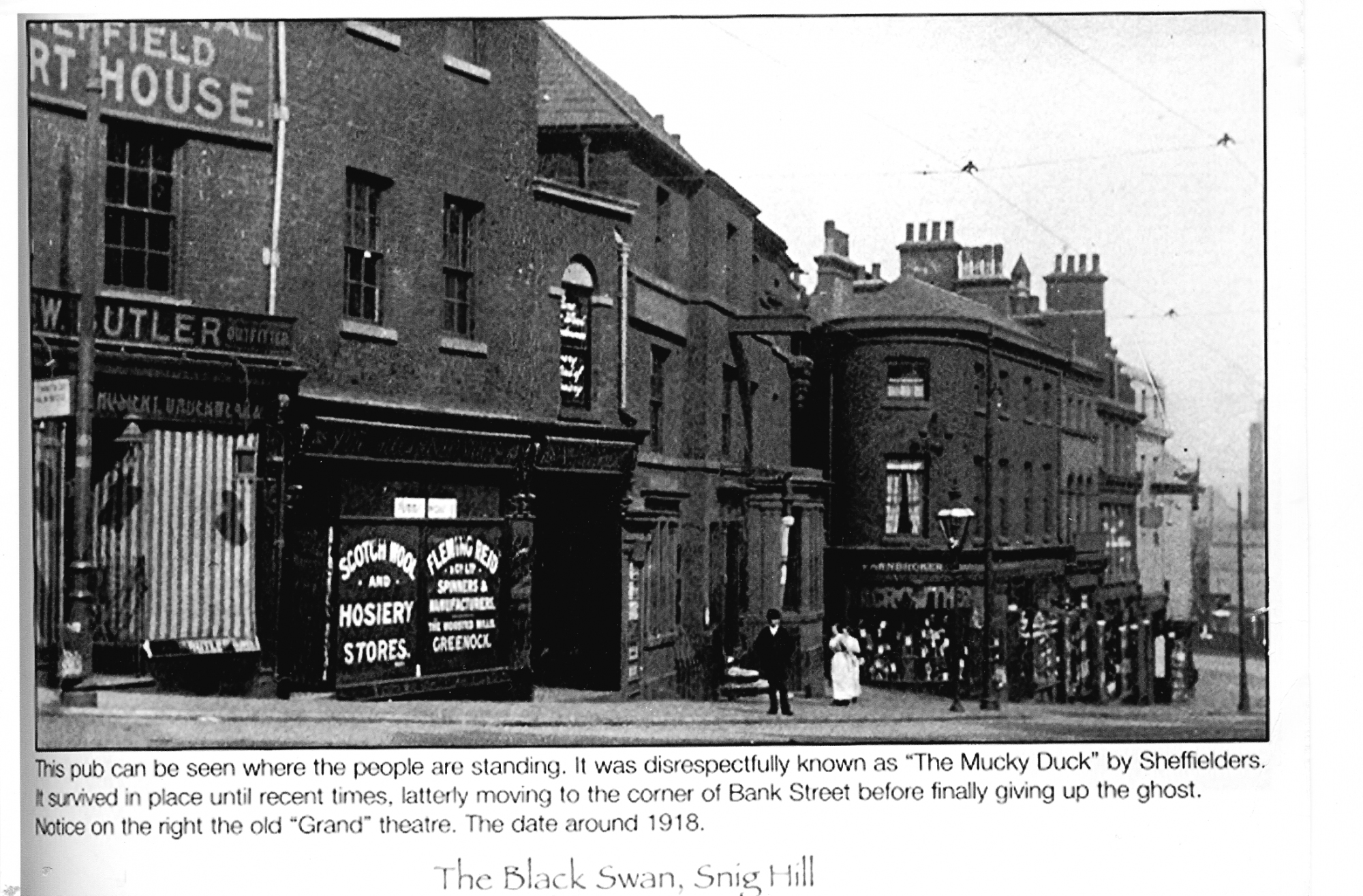
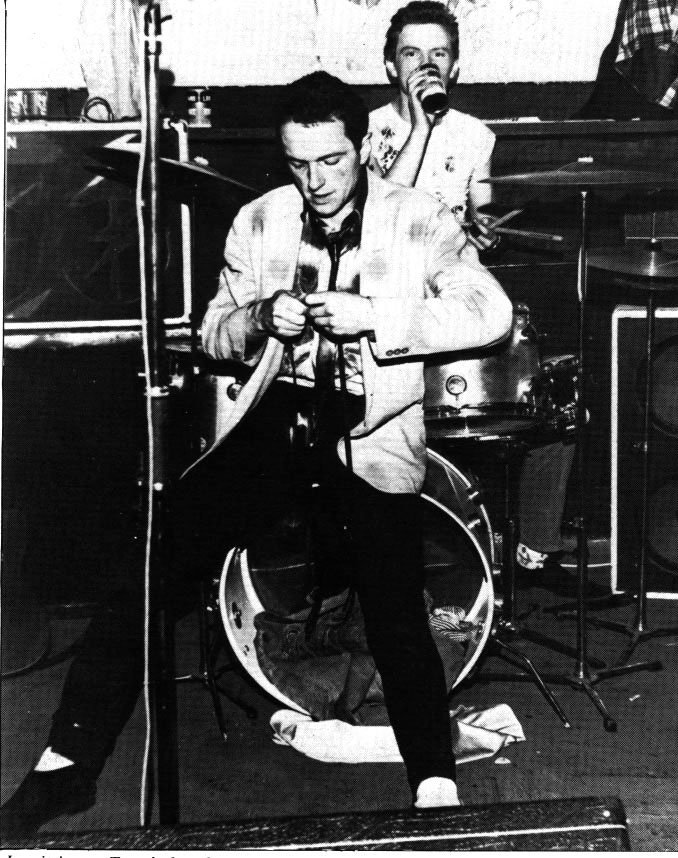
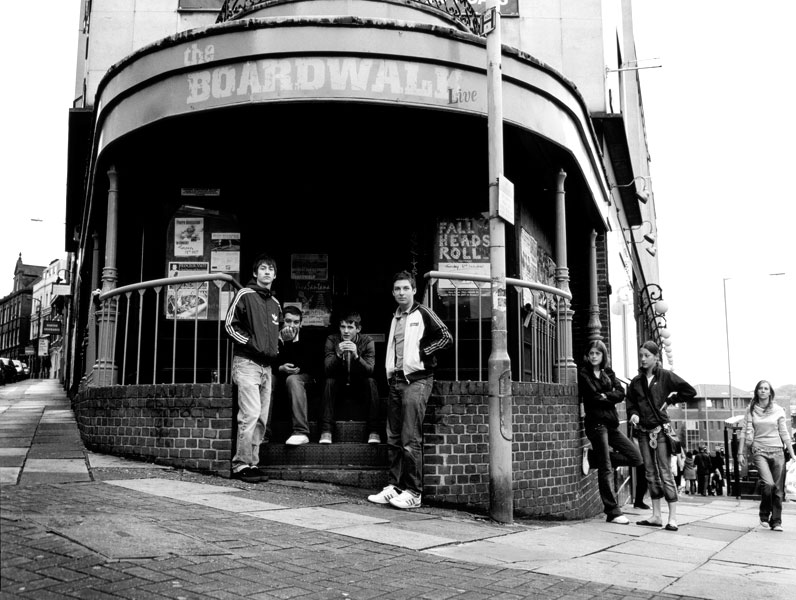


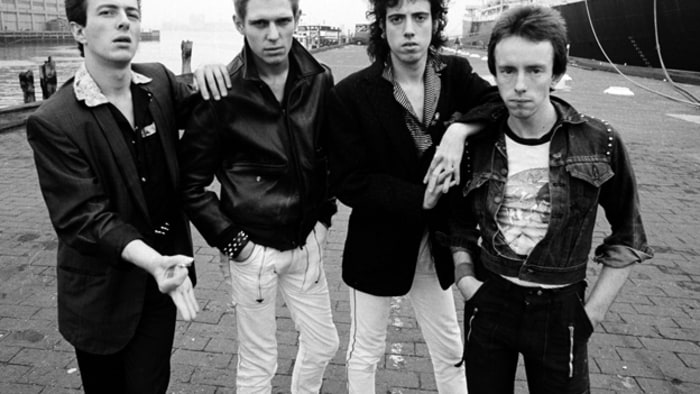
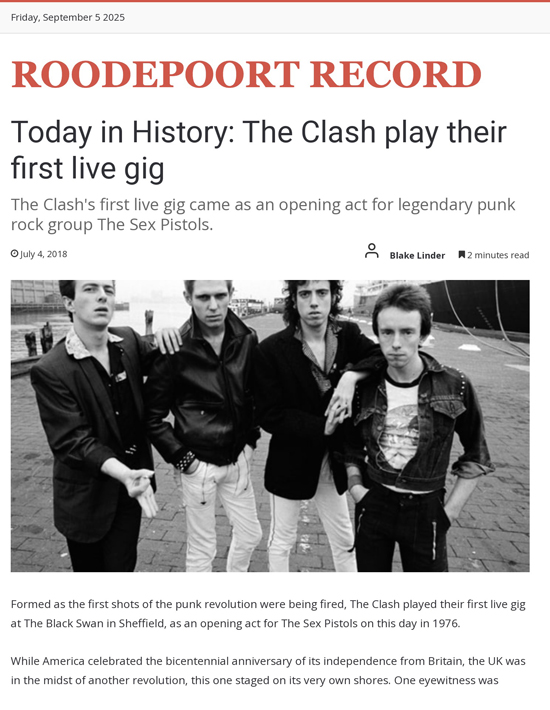



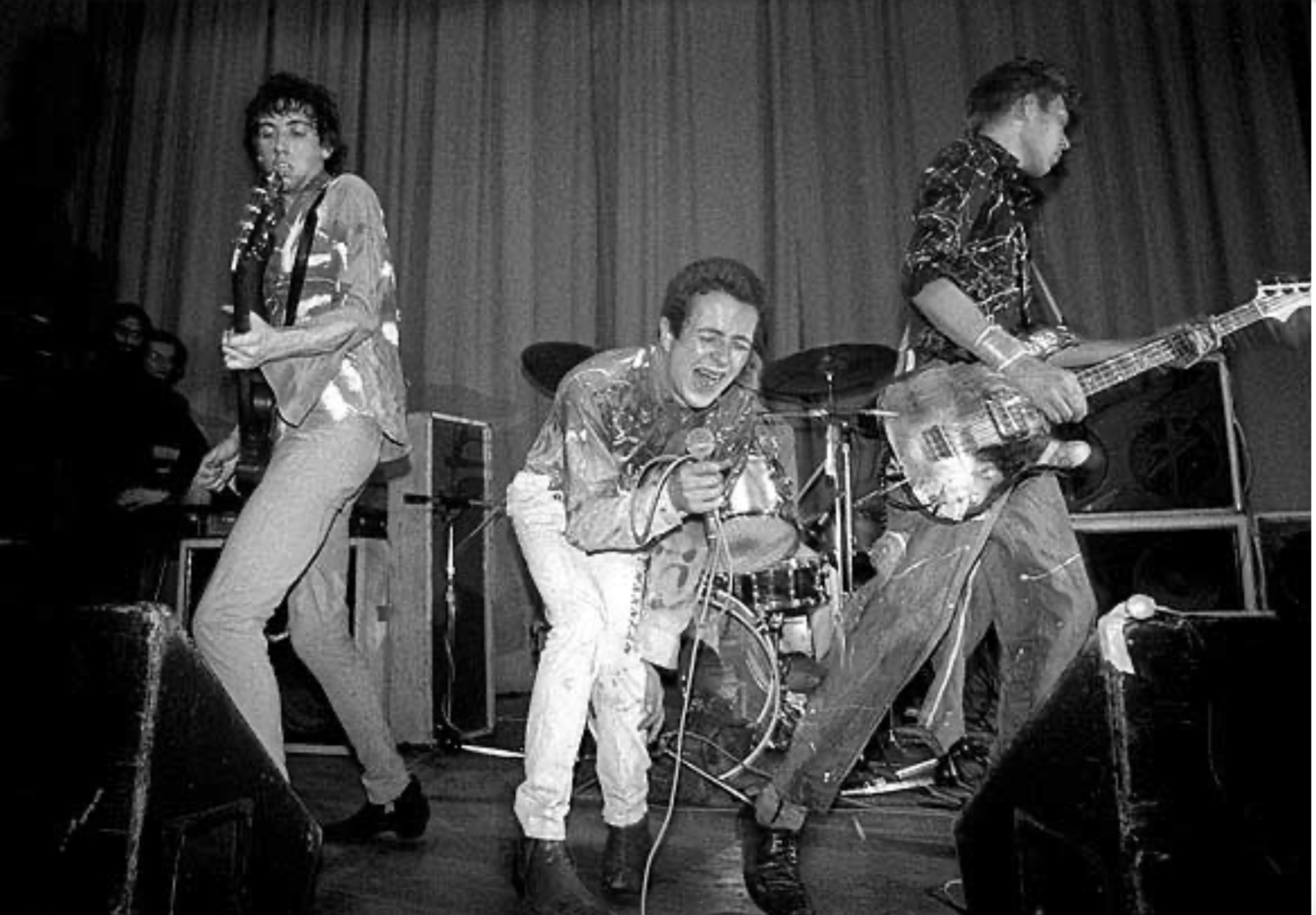




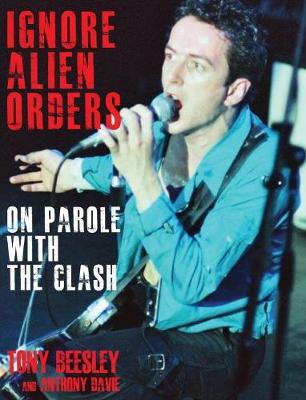


%20(Big%20Pink%20Book)/Clash%20_%20Strummer,%20Jones,%20Simonon,%20Headon,%20The/Clash%20_%20Strummer,%20Jones,%20Simonon,%20Headon,%20The%20-%20Clash%20(Musical%20group)%20Pink%20book-300px.jpg)
 Online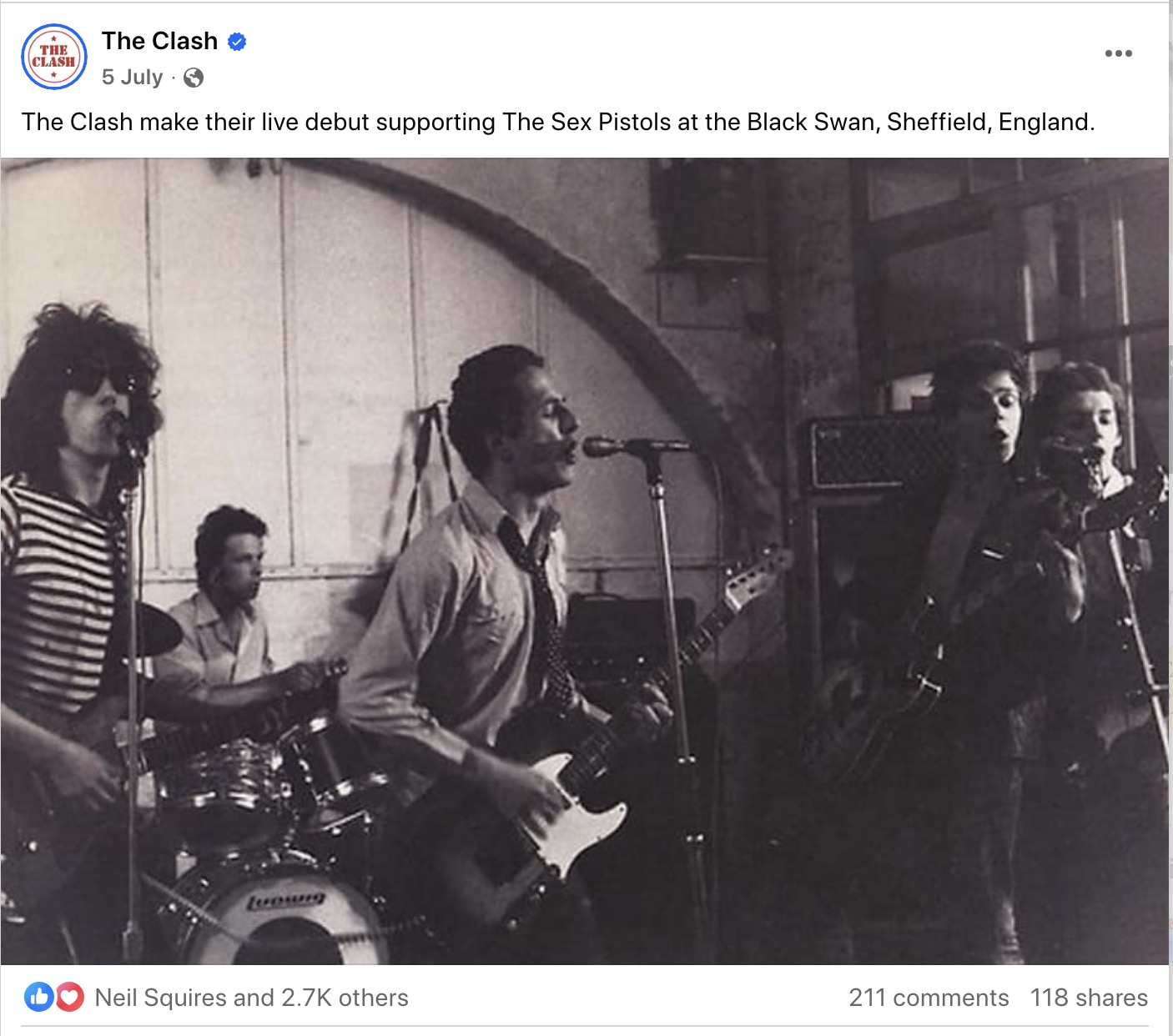

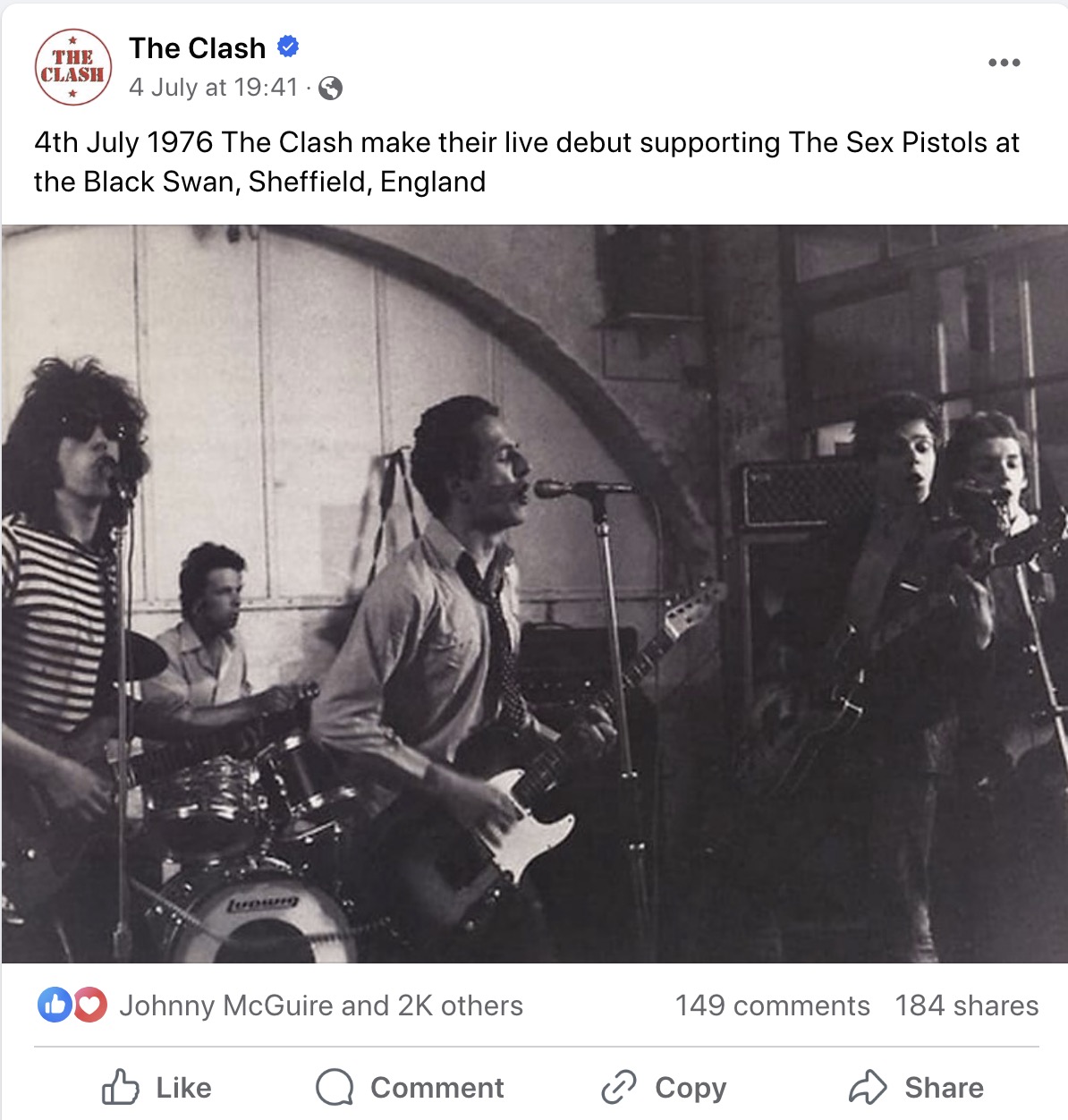

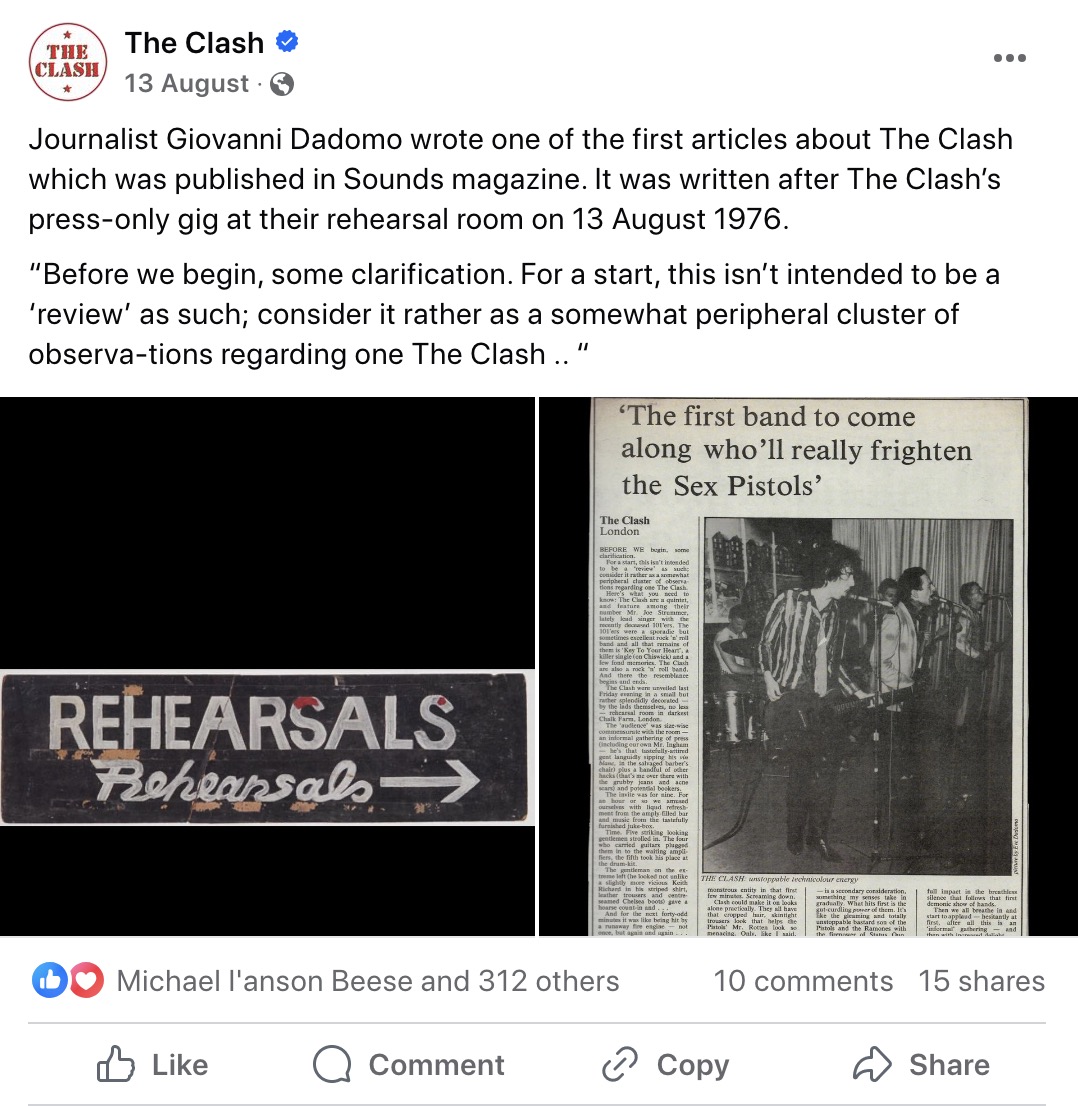


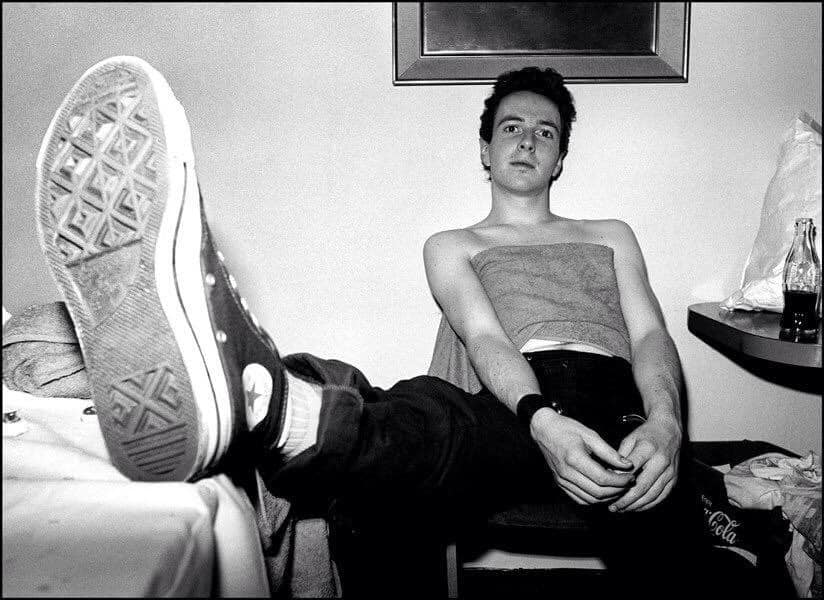
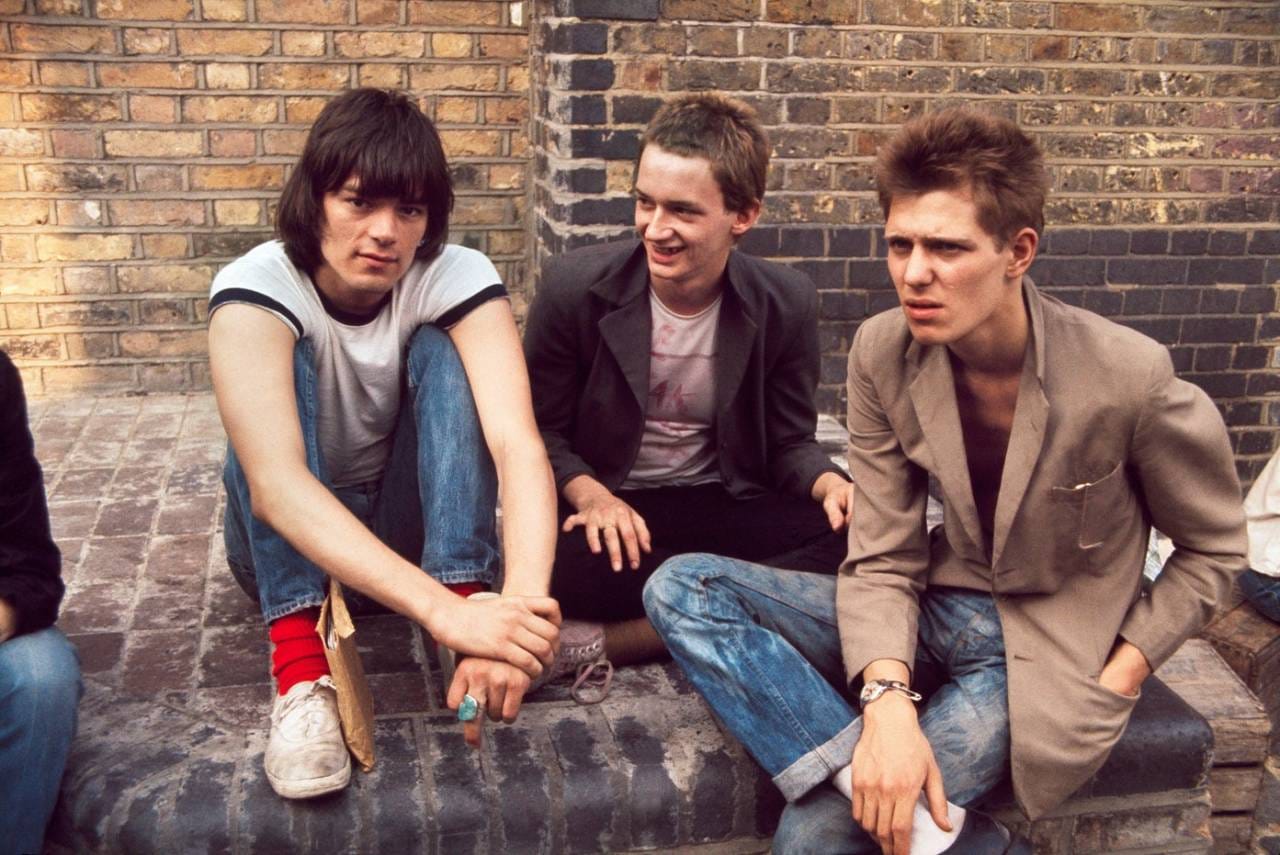
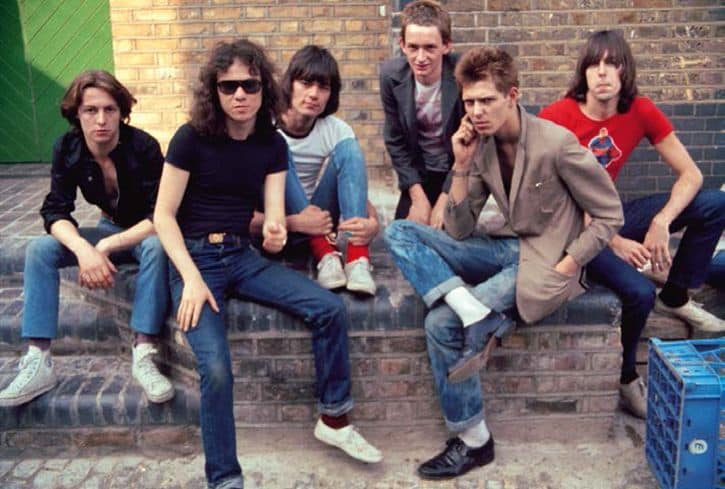
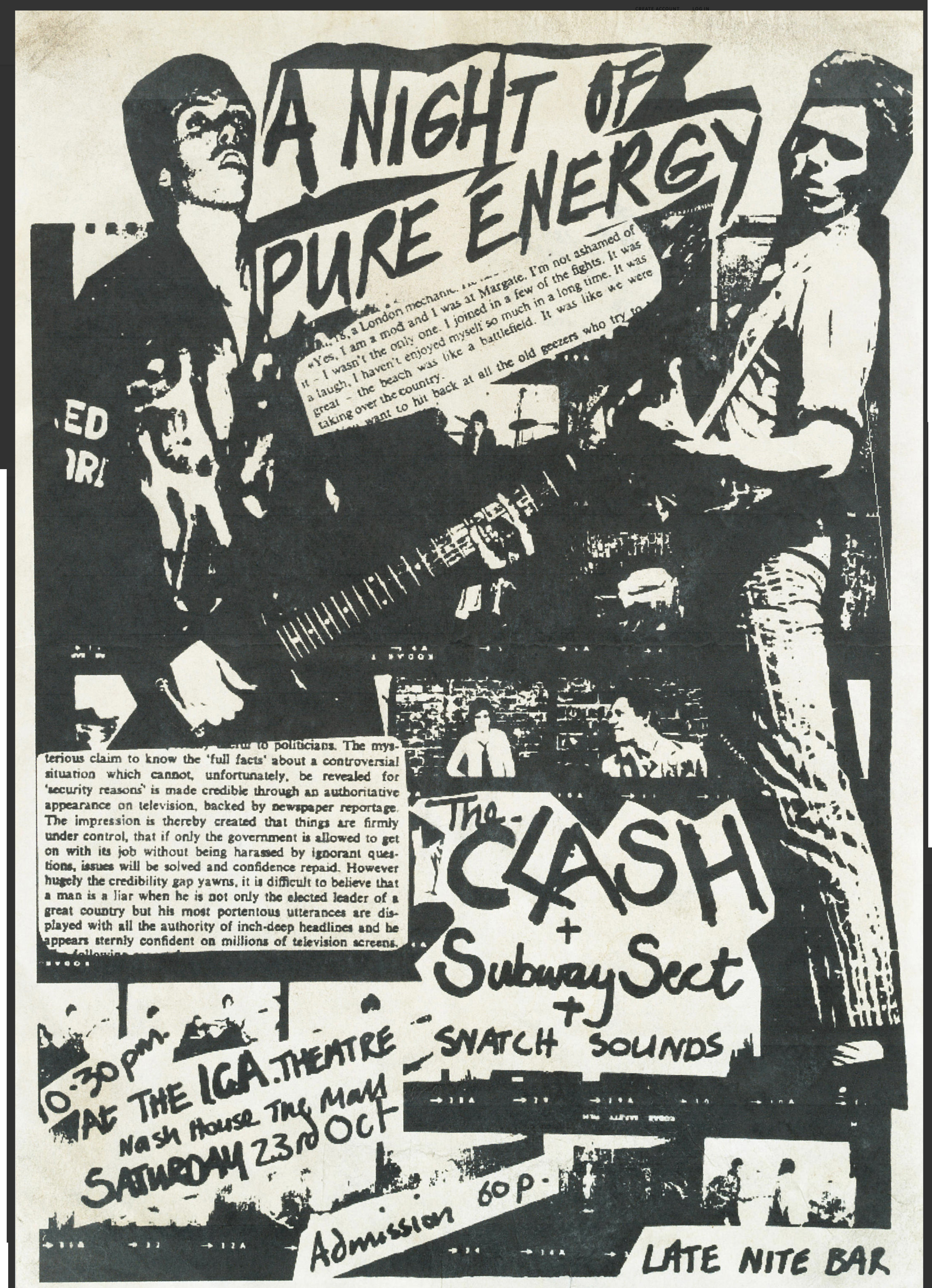
/assets/adverts%20flyers%20posters/1976%2009%2020%20100%20Club%20poster%20big.jpg)



.gif)












 The Official Clash
  Clash City Snappers

