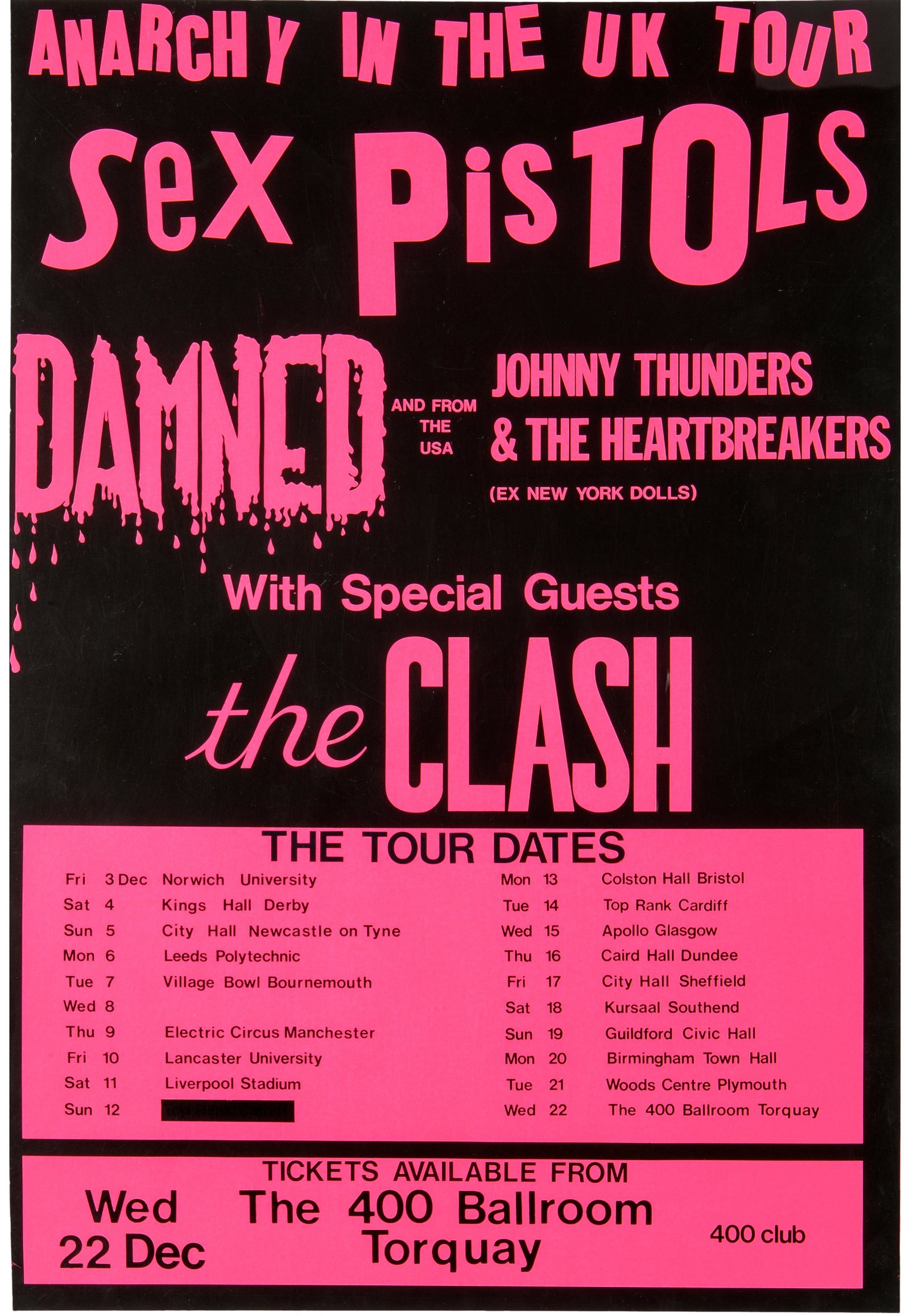
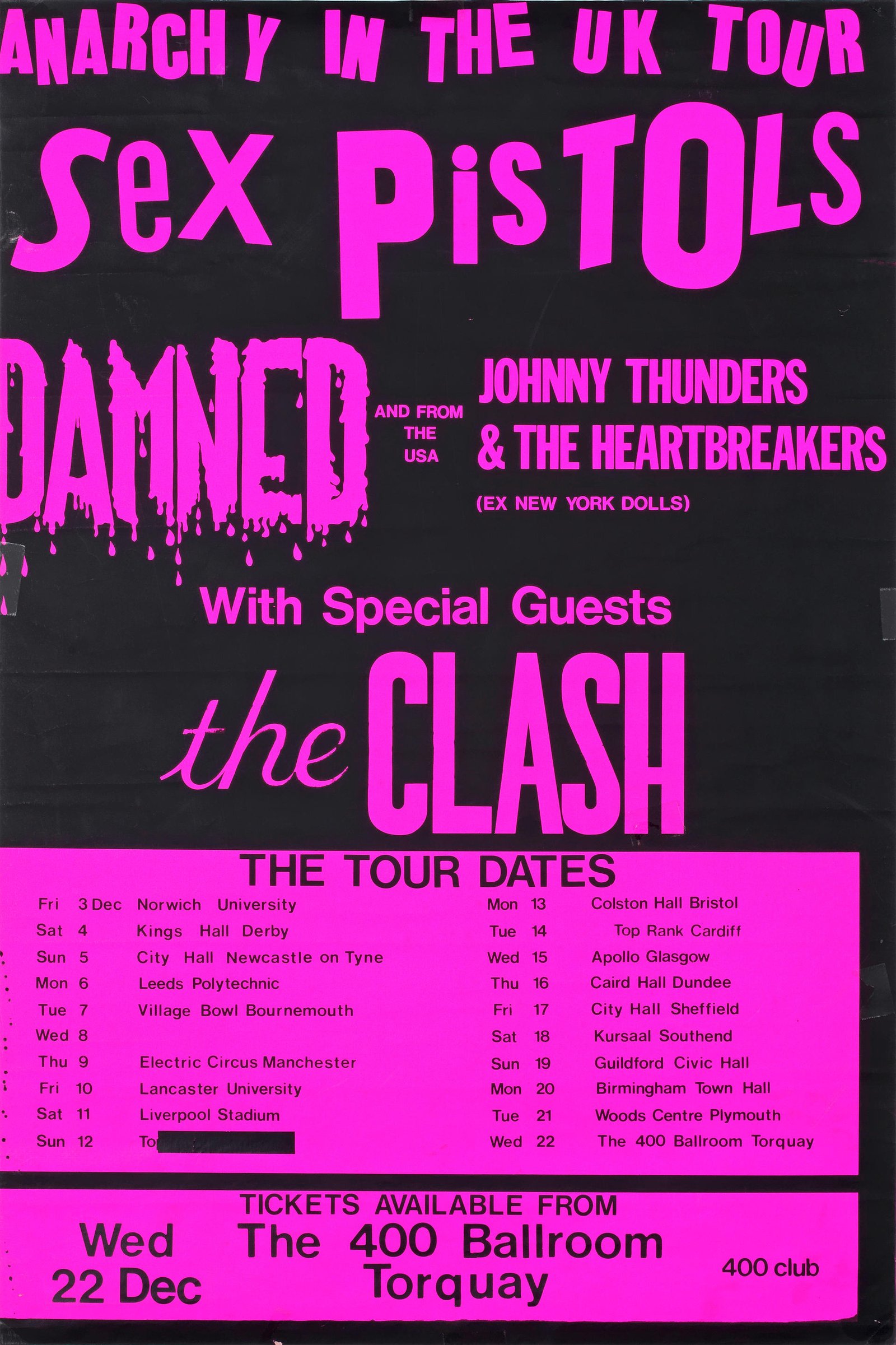
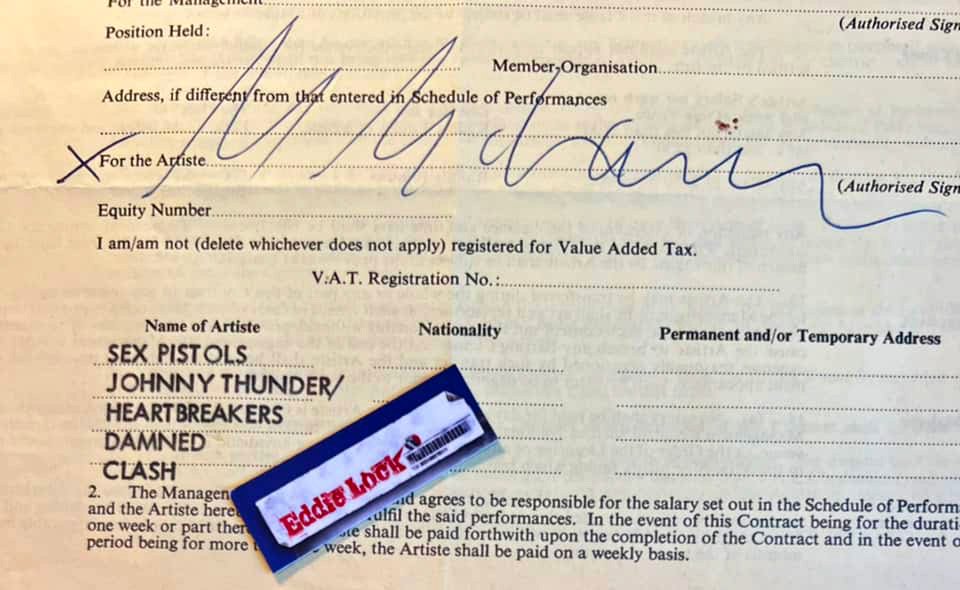
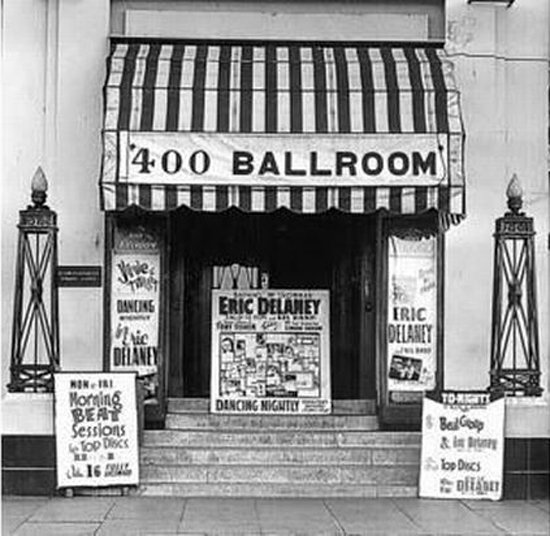


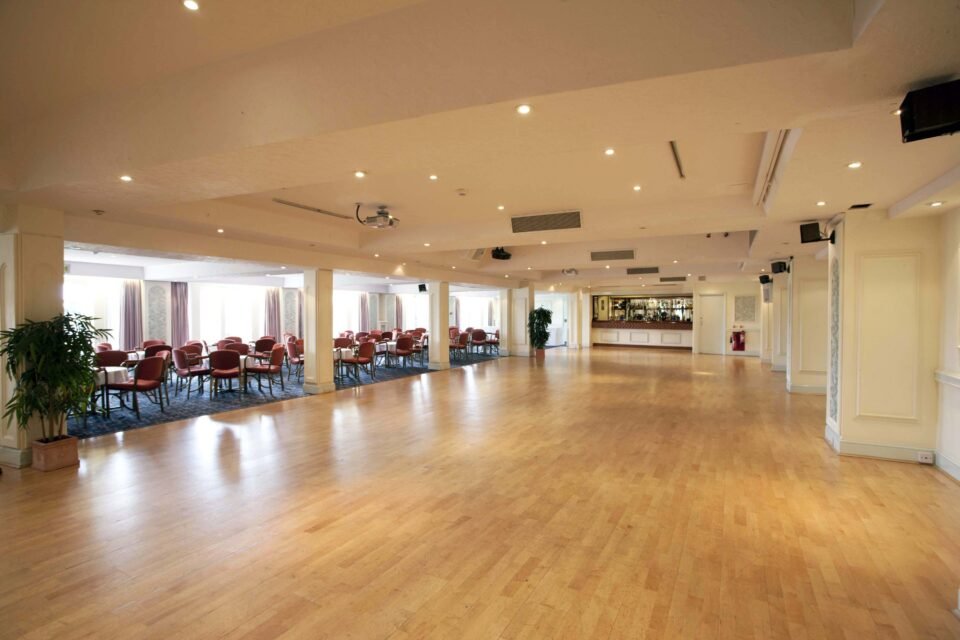
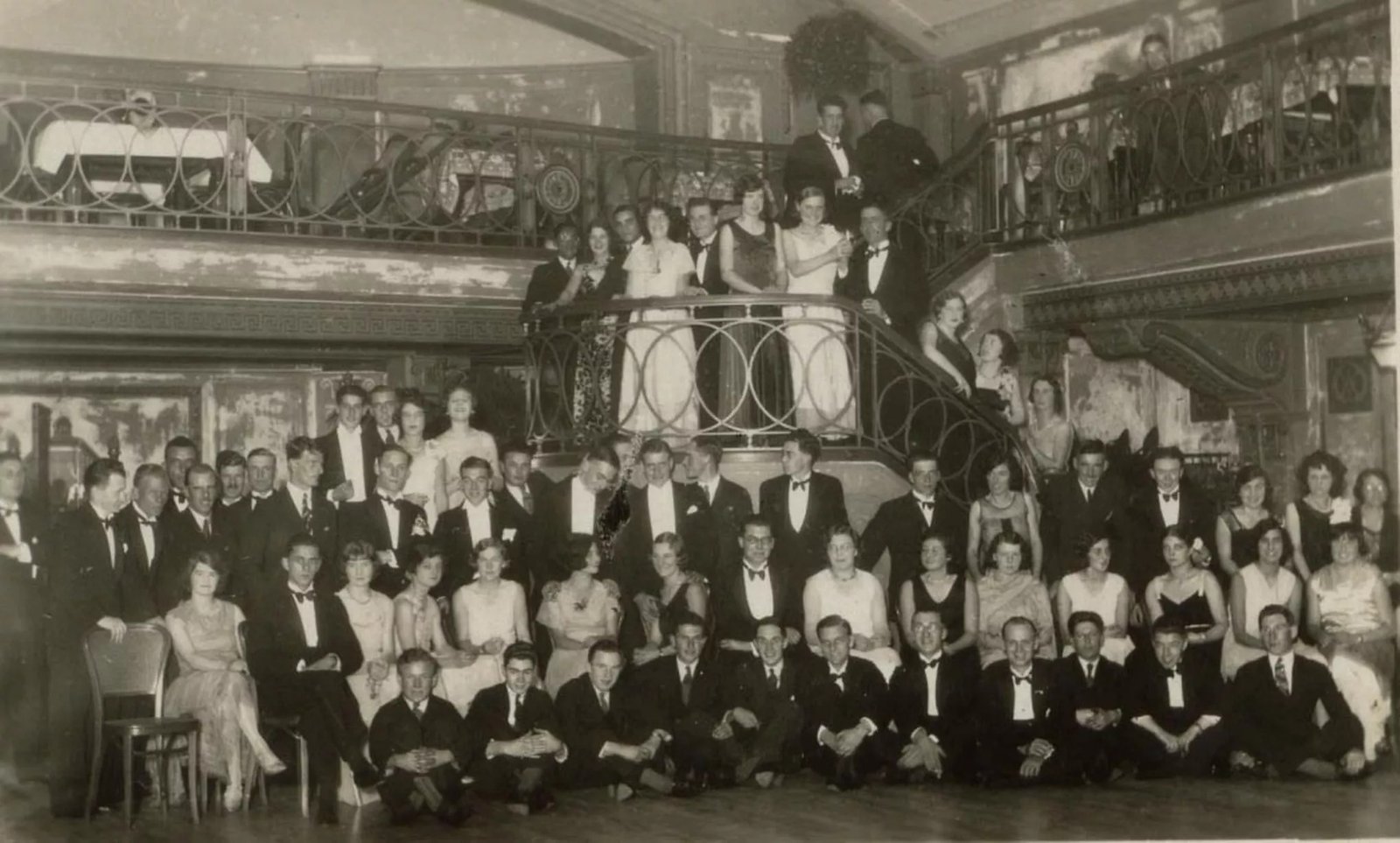
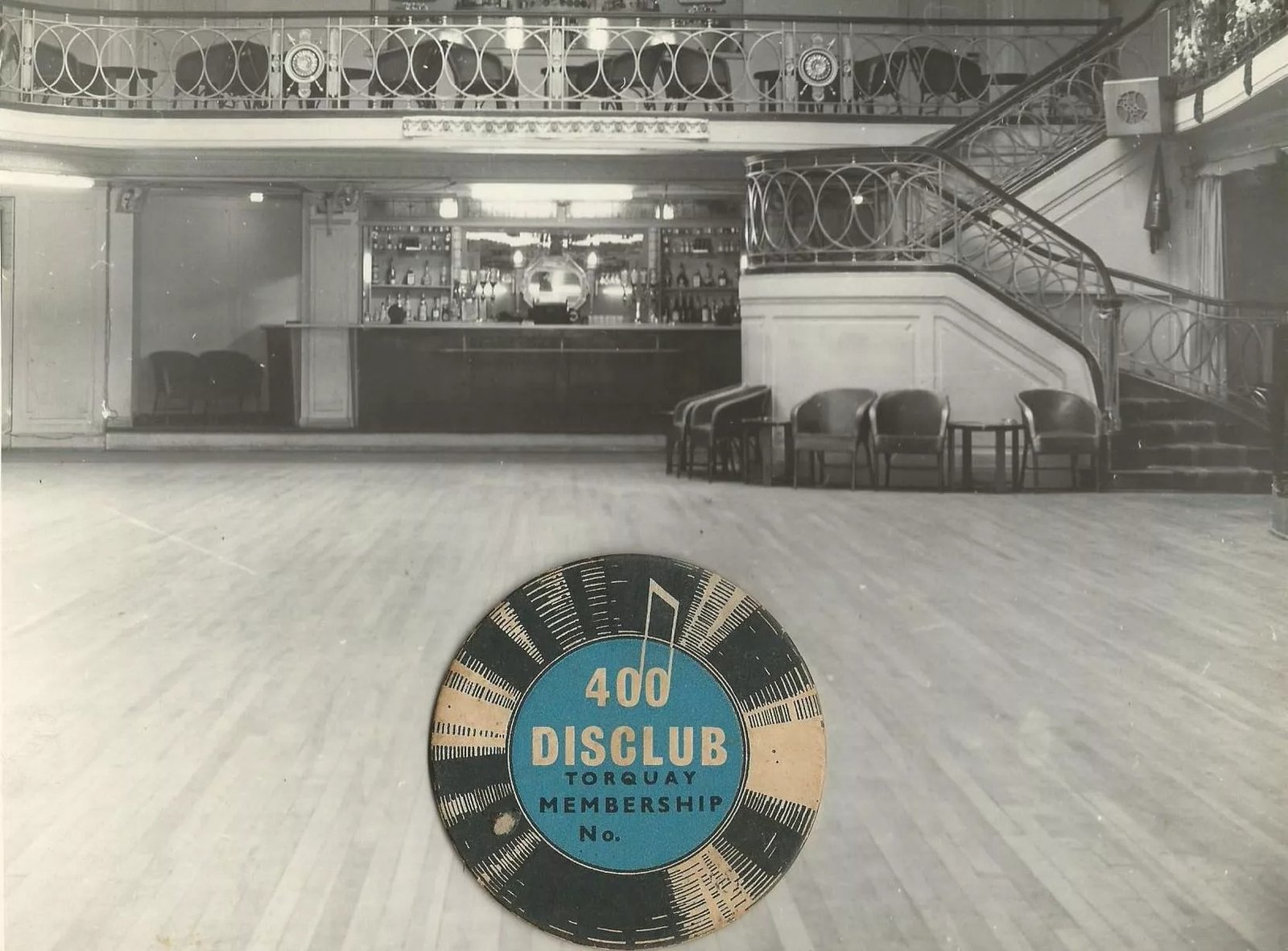

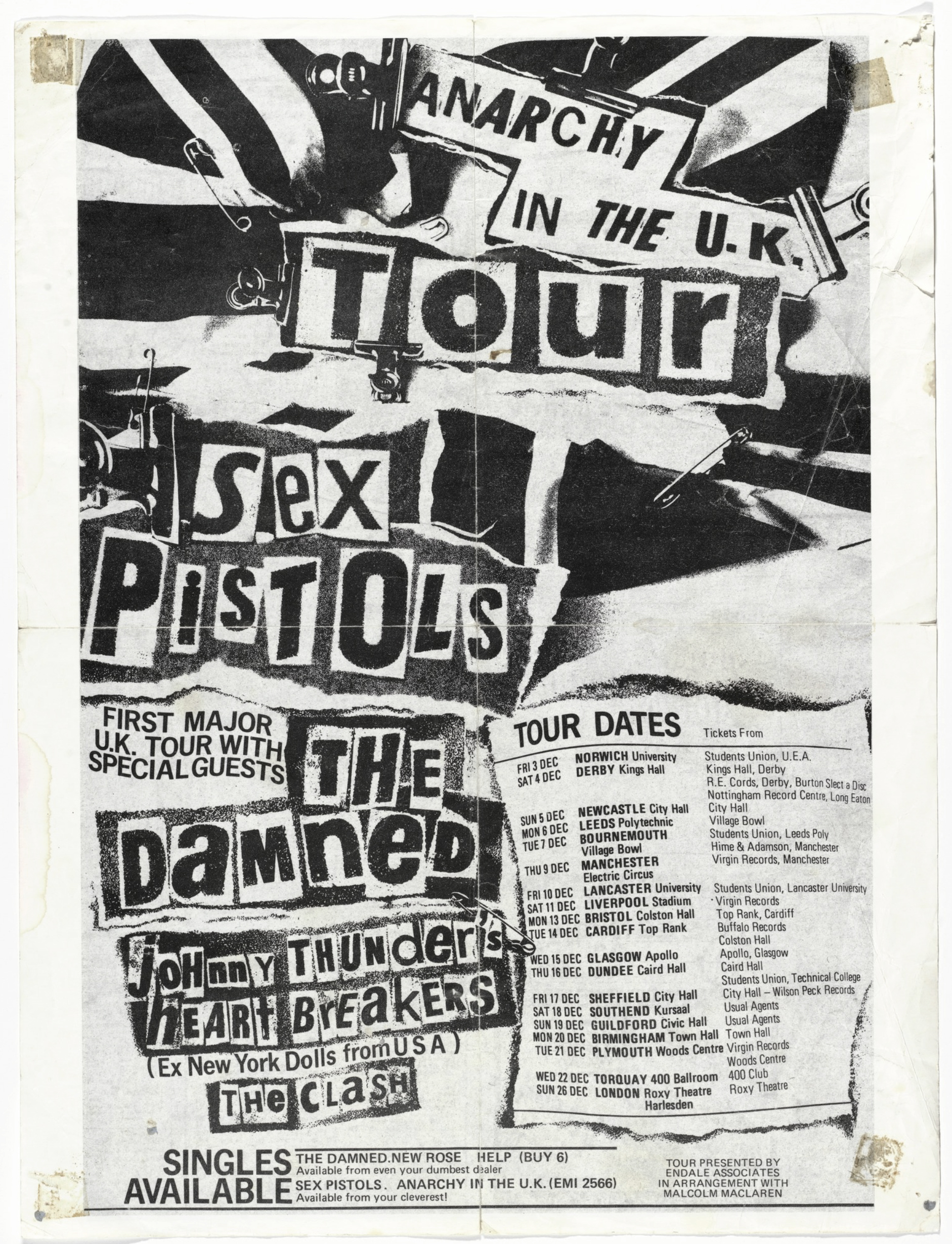
Yet the Sex Pistols managed to play two concerts at the Woods Centre, Plymouth on the 21 and 22 December. They were less successful in Torquay. The town already had its own version of Mary Whitehouse in the shape of Sheila Hardaway, a former councillor and leader of the Clean-Up Torbay campaign. The day after the Grundy interview she urged the local 400 Ballroom to ban the planned concert. In an interview with Torbay's Herald Express, she warned that to allow these people to perform here is putting the children of this town at risk... it is up to the public to form themselves in a group to stop all this, we must protect the children. The concert was duly cancelled but an appearance at Penelope's Discothèque in Paignton was mooted.
The mayor of Torbay, W. Beesley, with the support of the town's Recreation Committee, publicly urged the club not to allow the performance to go ahead. One clergyman had contacted Councillor John Farrell claiming to represent three thousand people who wanted the group banned. Another council member, Joan Cooper said that the Sex Pistols were sickening. She strongly deplored the kind of image publicised by this group: one of slovenly appearance, filth, and habit. The council wanted to ban the concert, but the town clerk, David Hudson, informed Beesley that because it was being held on private premises it had no authority to act. The Sex Pistols then found an ally in C. V. Tanna, the manager of Penelope's. In response to a letter from the mayor, he took a more contrary position: I don't think the mayor is musically competent enough to advise me how would you like a High Court judge to remove your appendix. Tanna urged the people of Torbay to attend the
concert and accused the mayor of trying to gain political publicity from the Sex Pistols. He offered to arrange a vote in the town on the matter and that he would stand by the decision. He planned to open a register in the foyer of Penelope's where voters could express their preference. Tanna found support from Ian MacTaggart, a local student leader. MacTaggart was president and social secretary of South Devon Technical College Student's Union and viewed the attack on the Sex Pistols as another way of discriminating against the youth of Torbay. However, on 13 December, Tanna announced that the show would not go ahead: I am creating a lot of controversy ... I am a businessman and I do not want to create controversy. I want everybody to be happy. Perhaps the most pragmatic response to the Anarchy Tour came from the good citizens of Cleethorpes. Ian Galloway of the town's Winter Gardens insisted that we have booked this group simply to give a musical performance of heavy rock. Alan Green, the local mayor said that there would not be much to worry about concerning the appearance on 20 December. The concert in Cleethorpes was completed with the Grimsby Evening Telegraph reporting that the swearing, beer throwing, and spitting came from the 350 strong audience not the band.
Out of a total of 27 planned shows for the Anarchy Tour, the Sex Pistols performed at 5 locations: Leeds, Manchester, Caerphilly, Cleethorpes, and Plymouth. Between 3 and 26 December, the tour bus had made its way around the country being turned away from cities and towns as if it was carrying a new form of plague that posed great danger to British youth.
The last concert was planned for the then newly opened Roxy in London on 26 December, but this was also cancelled. To the punks and the plethora of fanzines that had appeared as part of this new youth culture phenomenon, the Sex Pistols represented a vanguard in challenging, attacking and subverting aspects of English society. The Christmas edition of Sniffin' Glue noted that they've done what no other bands have dared to do. They've broken the rules, not just the establishment rules but all the rock 'n' roll laws. They hate and despise everything.
The outrage and moral panic surrounding the Sex Pistols did not subside with the end of the Anarchy Tour. In the jubilee year that followed, the media and politicians would continue to pour scorn on the group. Yet contrary to popular myth, the Sex Pistols were not the subject of major debate in Parliament. In one of the few speeches that mentioned punk, Bruce George, MP for Walsall South, presented a measured view. He raised the issue of punk in the Commons during a debate on safety at pop concerts in June 1977.
Unemployed young people or those with limited job prospects provide a fertile ground for the proponents of punk rock. Despite the total opposition of the press, a punk rock record by the Sex Pistols has shot to the top of the hit parade (God Save the Queen in June 1977). Young people are listening to this new phenomenon and it is one about which we should be concerned.
Kenneth Marks, the Under Secretary of State for the Environment, speaking in response expressed awareness of the anger and alienation that the Sex Pistols represented, but noted that one of the problems with punk rock ... is that the whole idea is to be against the Establishment and the adult population. Negative publicity would continue to impact on the Sex Pistols ability to perform concerts and the group would finally implode after appearing at the Winterland Ballroom, San Francisco in January 1978.
Images of England through the Sex Pistols and punk rock
The Sex Pistols Anarchy Tour highlights the limitations of sociological writing on punk and the historiography of the 1970s in which two positions remain dominant. Writers on the period generally accept the mythology of punk and the centrality of crisis or alternatively seek to downplay the view that the decade was a unified entity with a distinctive character. This chapter has negotiated a path through the two positions by examining a variety of local responses to the Sex Pistols. In December 1976, youth was defined by the media, influential commentators and politicians as a symptom and cause of a shifting morality that threatened the social fabric of the country. The Sex Pistols were the concrete personification of this condition of England and their attitude, recordings and performances provided a critique of contemporary politics and culture. There is a historical consensus that views the country at a crossroads between a form of Labour socialism that had run out of steam in the 1970s and had failed to deliver improvements to a significant section of its own constituency, and a more right-wing Conservatism that would dismantle much of what such socialism had constructed. The chapter has demonstrated that the signposts of crisis and decline were cultural as well as economic and political.
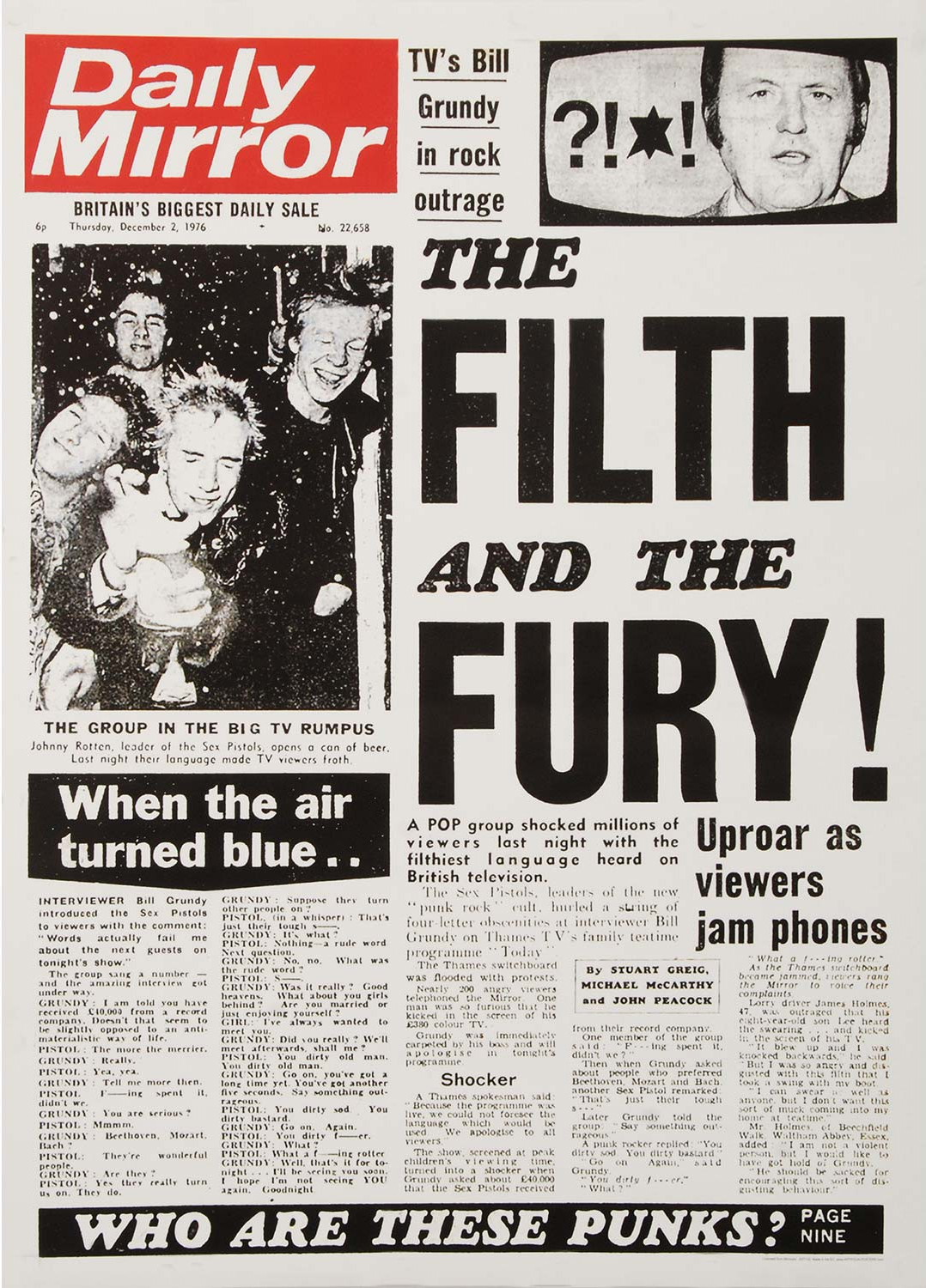
The Sex Pistols Anarchy Tour can be characterised as both moral panic and a particular cultural/political event that formed one response to a sense of escalating change. The concept of moral panic is a useful tool in understanding media reactions to popular music, but in its most limited form, it only takes us so far. A more comprehensive utilisation of the moral panic framework for assessing popular reactions to particular types of cultural phenomena needs to engage with the micro-politics of a variety of groups, individuals and localities. The Sex Pistols faced a critical response from business interests, politicians, religious leaders, the media, and a section of the general public that seemed intent on eradicating these folk devils from English society. The discourse utilised was indicative of earlier moral panics. The keywords of filth, obscenity, immorality, pornography, violence, sex, dirty, cult and anarchy were associated with the group. The attacks on the Sex Pistols were often couched in the emotive message of protecting the children, a constant theme in moral panics across the century. Yet the local response to the Sex Pistols demonstrates that the media was just one player, albeit a fairly dominant one, in articulating a sense of crisis and anxiety in the England of December 1976. Reactions to the group were not completely





.gif)